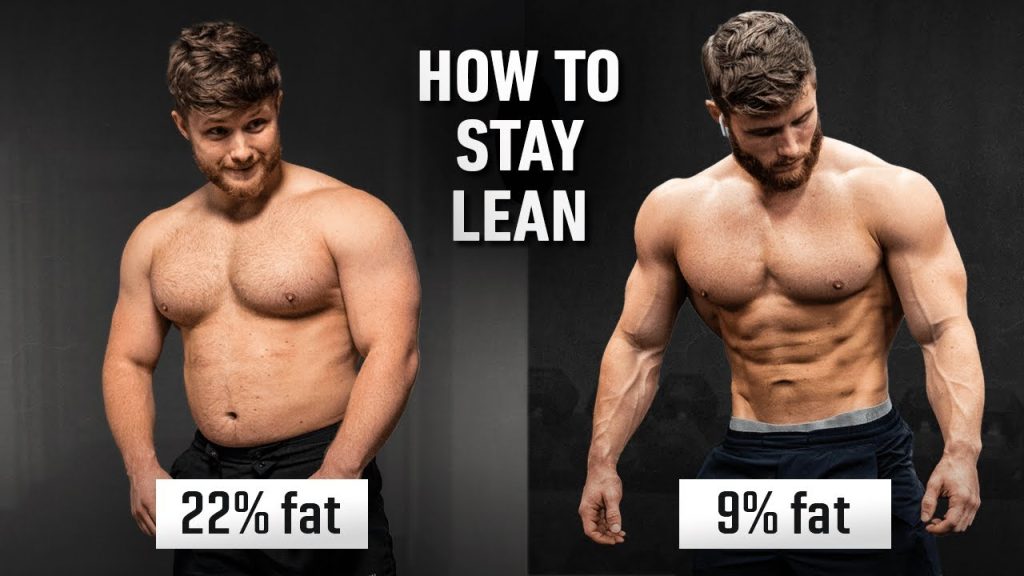
Video by Jeff Nippard on YouTube
When researchers at the University of Leeds tracked men on semaglutide for 68 weeks, they found something that surprised even the investigators: the men who lost the most fat — and kept it off — weren’t just relying on the medication. They were eating more protein, more fiber, and fewer ultra-processed foods than their peers. The drug amplified their dietary effort, it didn’t replace it. That distinction matters enormously if you’re just starting out on a GLP-1 medication like semaglutide or tirzepatide and wondering how to structure your eating.
GLP-1 receptor agonists work by mimicking glucagon-like peptide-1, a gut hormone that slows gastric emptying, reduces appetite, and improves insulin sensitivity. What that means in practice is that you’ll feel full faster and stay full longer. Portions shrink naturally. But here’s the trap beginners fall into: eating less without eating right. A dramatically reduced appetite is only an advantage if the calories you do consume are doing real metabolic work — building muscle, stabilizing blood sugar, fueling recovery. If you’re eating 1,200 calories of crackers and protein bars, you’re wasting the window the medication is giving you.
Build Your Plate Around Protein First
The single most important nutritional priority on a GLP-1 diet plan is protein — not because it’s trendy, but because the research is unambiguous. Studies consistently show that higher protein intakes during caloric restriction preserve lean mass and increase satiety, two outcomes that directly determine whether your weight loss is fat or muscle. For most men, targeting 0.7 to 1 gram of protein per pound of bodyweight daily is a practical and evidence-supported starting point.
On a GLP-1 medication, your hunger cues are blunted — which sounds ideal until you realize you can easily skip meals and fall well short of your protein targets without noticing. The solution is to plan protein-forward meals that make hitting your targets nearly automatic. Eggs and Greek yogurt in the morning, grilled chicken or salmon at lunch, lean beef or legumes at dinner. The foods themselves aren’t complicated. What matters is making protein the anchor of every meal rather than an afterthought. Research on meal structure shows that front-loading protein earlier in the day also improves satiety and reduces total caloric intake — a double benefit when your appetite is already suppressed.
Fiber is the second pillar. Vegetables, legumes, oats, and berries slow digestion, feed beneficial gut bacteria, and help regulate the blood sugar spikes that GLP-1 medications are already working to smooth out. A 2020 meta-analysis in Nutrients found that dietary fiber intake was independently associated with reduced body weight and improved glycemic control — effects that stack favorably on top of what GLP-1 drugs do mechanically.
What to Avoid — and Why It Actually Matters on This Medication
GLP-1 medications slow gastric emptying, which means the wrong foods don’t just make you feel bad in the abstract — they can cause real discomfort. High-fat, greasy meals are a common trigger for nausea on these drugs, particularly in the first few weeks. This isn’t a reason to go fat-free, but it is a reason to favor healthy fats like olive oil, avocado, and fatty fish over fried foods and heavy cream sauces. The Mediterranean dietary pattern, which emphasizes exactly these fat sources alongside lean protein and vegetables, has been shown in multiple trials to improve insulin sensitivity and reduce cardiovascular risk — outcomes that align directly with why most men start GLP-1 therapy in the first place.
Ultra-processed foods deserve special attention. They’re engineered to override satiety signals, and while a GLP-1 drug does a reasonable job of dampening appetite, research from the NIH demonstrated that people eating ultra-processed diets consumed significantly more calories even when matched for macronutrients with whole food alternatives. The hyper-palatability of these foods creates a ceiling on how much the medication can help. Alcohol also warrants caution — it’s calorie-dense, impairs protein synthesis, and can intensify the hypoglycemic effects that some GLP-1 users experience.
Hydration is frequently overlooked but clinically relevant. Reduced food intake means reduced water from food sources, and many GLP-1 users don’t compensate by drinking more. Aim for at least 2.5 to 3 liters of water daily, more on training days. Adequate hydration supports kidney function, reduces constipation — a common GLP-1 side effect — and helps with the fatigue some men report in the early weeks.
The Takeaway
A GLP-1 diet plan for beginners isn’t a restrictive eating regime — it’s a strategic framework that makes the medication work harder for you. Lead with protein at every meal, build volume through fiber-rich whole foods, sidestep the ultra-processed options that undermine your appetite suppression, and stay hydrated. The medication is doing real physiological work in the background. Your job is to make sure the calories you do eat are earning their place. That combination — smart eating on top of pharmacological support — is what the research actually shows produces durable, meaningful results.