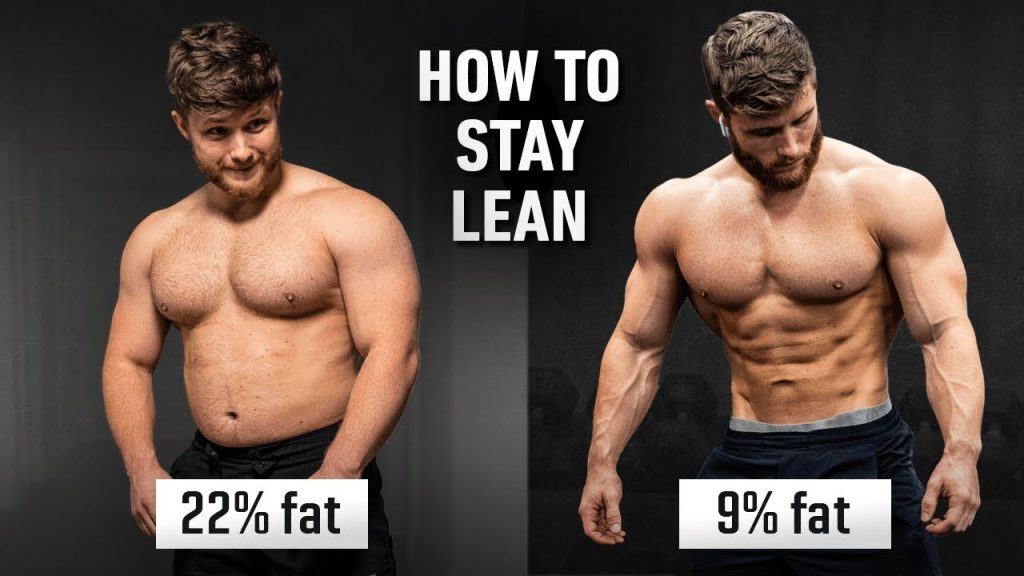
Video by Jeff Nippard on YouTube
Most men approach fat loss and muscle building as if they’re mutually exclusive goals — cut first, bulk later, repeat the cycle indefinitely. But a growing body of research suggests that simultaneous fat loss and muscle gain, what exercise scientists call body recomposition, is not only possible but highly achievable with the right training structure. And few programs deliver that structure as efficiently as Push Pull Legs.
A 2017 meta-analysis published in the Journal of Strength and Conditioning Research confirmed that resistance training frequency of two or more sessions per muscle group per week produces significantly greater hypertrophy compared to training each muscle once weekly. Push Pull Legs — typically run three to six days per week — hits that frequency threshold naturally, making it one of the most structurally sound splits for men who want to reshape their physique rather than simply lose weight on a scale.
Why Push Pull Legs Is Built for Recomposition
The PPL framework is elegantly simple. Push days target the chest, shoulders, and triceps — the muscles involved in pressing movements. Pull days train the back and biceps through rowing and pulling patterns. Leg days cover the entire lower body, including quads, hamstrings, glutes, and calves. Rotated across the week, this structure ensures each major muscle group receives adequate stimulus and recovery without excessive overlap.
What makes PPL particularly effective for body recomposition is the combination of volume, frequency, and mechanical tension it delivers. Research published in Frontiers in Physiology identifies mechanical tension as the primary driver of muscle protein synthesis, and PPL’s emphasis on compound movements — bench press, overhead press, barbell rows, deadlifts, squats — generates that tension across large muscle groups efficiently. More muscle mass recruited per session means more metabolic demand, which directly supports fat oxidation even at rest.
For men in a moderate caloric deficit — whether that deficit is created through disciplined eating, a structured nutrition protocol, or the appetite-regulating effects of GLP-1 receptor agonists like semaglutide or tirzepatide — PPL provides the anabolic signal muscles need to survive and grow despite reduced calorie availability. Studies show that resistance training combined with a hypocaloric diet preserves lean mass significantly better than dieting alone, which is exactly the outcome most men pursuing recomposition are after.
A practical six-day PPL rotation — Push, Pull, Legs, rest, Push, Pull, Legs — gives each muscle group two training sessions per week while allowing 48 to 72 hours of recovery between sessions targeting the same tissue. For men newer to structured training or managing higher fatigue loads, a three-day version alternating rest days works just as well and still hits the frequency targets the research supports.
Programming and Nutrition: The Two Variables That Determine Your Results
The program means nothing without intelligent programming within each session. On push days, anchoring the session around a primary compound lift — flat or incline barbell press — for four sets of six to eight reps in a progressive overload scheme builds the strength foundation. Accessory work like dumbbell shoulder press, lateral raises, and tricep cable pushdowns can then be taken into the eight to fifteen rep range for additional hypertrophy stimulus. The same logic applies to pull days, where barbell or cable rows and pull-ups or lat pulldowns form the primary movers, and leg days, where squats or leg press anchor the session before accessory hamstring and calf work follows.
Progressive overload is non-negotiable. Research in the European Journal of Applied Physiology demonstrates that progressive increases in training load are the fundamental stimulus for continued hypertrophy adaptation. Tracking your lifts and adding weight or reps systematically — even small increases week over week — is what separates a program that produces real body composition changes from one that just burns calories.
On the nutrition side, protein intake is the variable most directly tied to recomposition outcomes. A landmark review in the British Journal of Sports Medicine found that protein intakes beyond 1.62 grams per kilogram of body weight daily produced no additional muscle gain, but intakes up to that threshold — roughly 0.7 grams per pound — clearly supported lean mass development during resistance training. For a 200-pound man, that’s approximately 140 grams of protein per day, spread across meals, to maximize muscle protein synthesis and buffer against muscle loss during a caloric deficit.
Men using GLP-1 medications should pay particular attention here. Reduced appetite can make hitting protein targets challenging, and without adequate protein and a resistance training stimulus, weight loss on these medications can include significant muscle loss. PPL provides exactly the anabolic signal needed to protect lean tissue in that context. But this principle holds for any man eating in a deficit — the training and the protein work together to preserve what you’ve built while the caloric deficit drives fat loss.
Sleep and recovery complete the triangle. Research from the Annals of Internal Medicine demonstrated that sleep restriction during a caloric deficit dramatically reduced the proportion of weight lost from fat while increasing muscle loss — essentially undermining the entire recomposition goal. Seven to nine hours of sleep per night isn’t a lifestyle luxury in this context. It’s a training variable.
The Takeaway
Body recomposition isn’t a myth, and it isn’t reserved for genetic outliers or pharmaceutical assistance. It’s the predictable outcome of training smart, eating enough protein, and being consistent over time. Push Pull Legs gives you the frequency, volume, and structure the science says is necessary to build or preserve muscle while shedding fat. Pair it with a high-protein diet, prioritize sleep, and track your lifts with intent. The physique you’re after isn’t built in one dramatic intervention — it’s earned across hundreds of sessions where you showed up, lifted progressively, and ate to support the work.