When researchers gave tirzepatide to people with obesity and then measured what happened at an all-you-can-eat test meal, the results were striking. The 2025 Cell Metabolism study found the drug increased fat oxidation and meaningfully reduced spontaneous calorie intake compared to placebo — without triggering the metabolic slowdown that typically punishes dieters. That’s the pharmacological upside. The part the study can’t tell you is what to actually put on your plate to make those reduced-appetite windows count.
GLP-1 medications — semaglutide, liraglutide, tirzepatide — work by suppressing appetite, slowing gastric emptying, and nudging your metabolism toward fat burning. But a suppressed appetite is only useful if the calories you do consume are dense in protein, fiber, and micronutrients. Eating 1,200 calories of crackers and deli meat on Ozempic is a fast track to muscle loss, nutrient deficiency, and weight regain the moment the prescription ends. A smart GLP-1 meal plan isn’t just about eating less — it’s about eating deliberately.
What Your Plate Should Actually Look Like
The foundation of any GLP-1 meal plan is protein, and the target should be aggressive by conventional standards — somewhere between 1.2 and 1.6 grams per kilogram of body weight daily. With appetite suppressed, you’ll be eating fewer total meals, which means each one needs to anchor around a meaningful protein source: eggs, Greek yogurt, cottage cheese, chicken breast, salmon, lean beef, or legumes. Think of protein as the non-negotiable first item on the plate, with everything else built around it.
Fiber comes second. Because GLP-1 medications already slow gastric emptying, high-fiber foods amplify satiety further while supporting the gut microbiome and blunting postprandial glucose spikes. Non-starchy vegetables — broccoli, zucchini, spinach, cauliflower — along with legumes and berries should anchor the carbohydrate portion of each meal. Refined carbohydrates and ultra-processed foods are the easiest thing to eliminate when appetite is naturally suppressed; use that window to build better defaults.
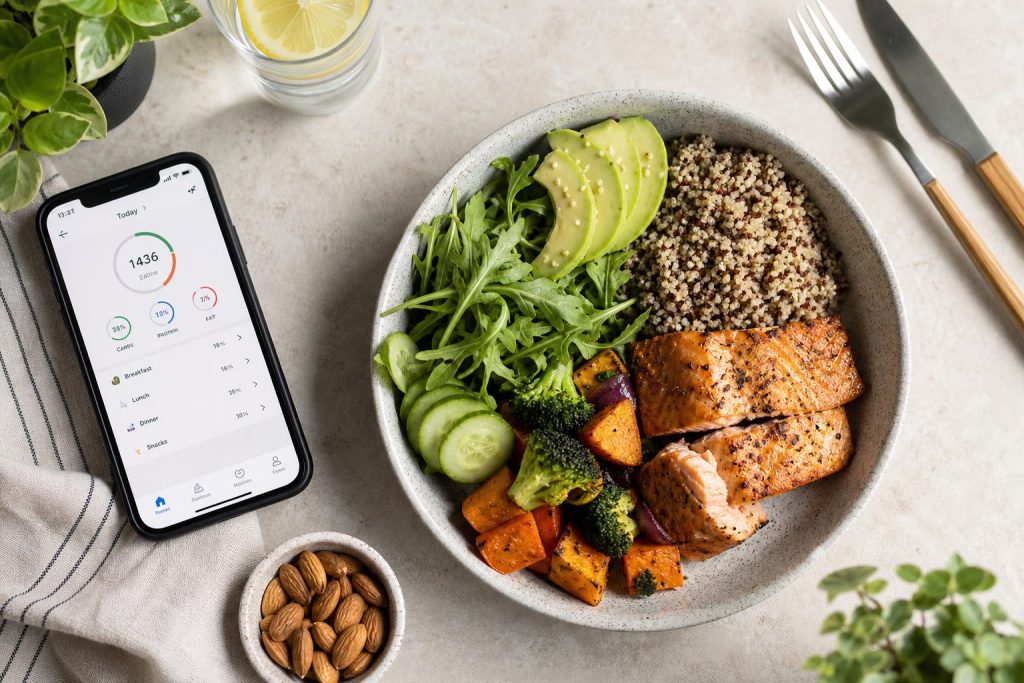
Meal frequency tends to drop on GLP-1 therapy, often to two substantial meals and a small snack. Rather than forcing three meals when you’re not hungry, lean into the pattern your biology is suggesting — but make sure total protein targets are still being hit. A practical structure: a high-protein breakfast around 30–40 grams of protein (eggs with cottage cheese, Greek yogurt with protein powder), a lunch centered on a lean protein with vegetables and a moderate portion of complex carbs like quinoa or sweet potato, and a lighter dinner. Hydration is critical since reduced food intake means less water from food sources.
Exercise Is Not Optional on This Plan
Here’s the part of the GLP-1 conversation that doesn’t get enough attention: the medication alone won’t improve your physical fitness. A 2026 randomized controlled trial in Sports Medicine found that liraglutide alone did not improve cardiorespiratory fitness or functional performance — but when combined with structured moderate-to-vigorous exercise, participants saw meaningful gains in peak oxygen consumption and stair-climb performance. Exercise also preserved relative muscle strength significantly better than pharmacotherapy alone.
The synergy goes deeper than that. A 2026 study in Obesity found that one year of exercise after weight loss increased late-phase postprandial GLP-1 secretion by 37% — meaning consistent training actually amplifies your body’s own appetite-regulating hormones. Liraglutide treatment alone did not produce this effect. If you ever come off the medication, your natural GLP-1 response will be a major factor in whether the weight stays off. Exercise is how you build that biological safety net.
Practically, this means resistance training at minimum three days per week to preserve lean mass during the caloric deficit, plus two sessions of cardio at moderate-to-vigorous intensity. This isn’t about burning extra calories — it’s about maintaining metabolic machinery and protecting the muscle you’re keeping while losing fat.
Planning for Life After the Medication
Weight regain after stopping GLP-1 therapy is a documented reality, not a personal failing. A 78-week clinical nutrition trial found that structured dietary strategies — specifically intermittent total diet replacement two days per week — successfully prevented weight regain after substantial loss, including in participants who had previously used GLP-1 agonists. The key phrase is structured. The meal habits you build while on the medication are the habits that will carry you when the medication is gone.
That means learning to cook protein-forward meals efficiently, building a short rotation of go-to meals that require minimal decision-making, and treating the reduced-appetite period as a training window — not a passive experience. Meal prep on Sundays, portioned snacks already in the fridge, and a grocery list built around whole foods will outlast any prescription.
The Takeaway
A GLP-1 meal plan isn’t complicated, but it requires intention. Anchor every meal around protein. Fill the rest of the plate with fiber-dense whole foods. Lift weights and do cardio consistently — not because your doctor told you to, but because the research shows it amplifies the medication’s benefits and builds the biological resilience you’ll need long-term. The medication gives you an edge; what you do with that edge is entirely up to you.
Scientific References
-
Ravussin, Sanchez-Delgado, Martin et al. (2025).
Tirzepatide did not impact metabolic adaptation in people with obesity, but increased fat oxidation..
Cell metabolism.
View on PubMed → -
Jensen, Fiorenza, Juhl et al. (2026).
Physical Fitness with Exercise and GLP-1 Receptor Agonist Treatment Alone or Combined After Diet-Induced Weight Loss: A Secondary Analysis of a Randomized Controlled Trial in Adults with Obesity..
Sports medicine (Auckland, N.Z.).
View on PubMed → -
Holt, Sandsdal, Byberg et al. (2026).
One Year of Exercise After Weight Loss Increases Postprandial GLP-1 Secretion in Contrast to Usual Activity or GLP-1 Receptor Agonist Treatment..
Obesity (Silver Spring, Md.).
View on PubMed → -
Toledo, Li, Wang et al. (2025).
Pancreatic cancer-related diabetes and type 2 diabetes differ in multiple aspects of glucose homeostasis..
Diabetologia.
View on PubMed → -
Brosnahan, Hankey, Leeds et al. (2025).
Diet strategies for maintaining substantial therapeutic weight loss: 78-week mixed methods randomised trial..
Clinical nutrition (Edinburgh, Scotland).
View on PubMed →