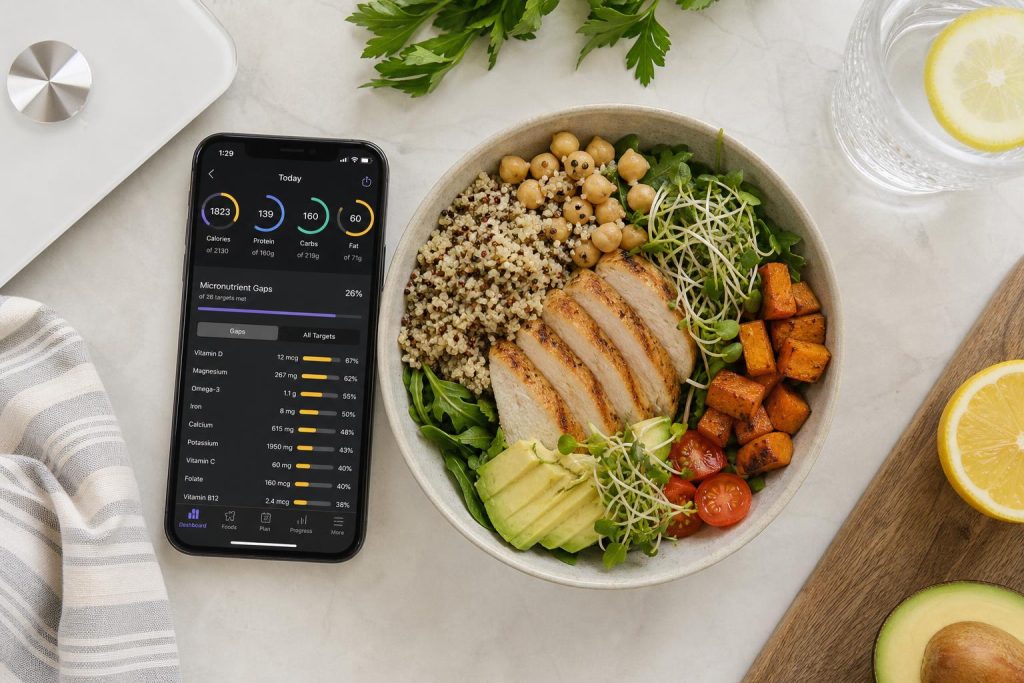
When researchers examined the dietary intake of adults on calorie-restricted diets, they found that micronutrient deficiencies were nearly universal once calories dropped below 1,600 per day — and that was before factoring in medications that dramatically suppress appetite. For men on GLP-1 receptor agonists like semaglutide or tirzepatide, eating 800 to 1,200 calories a day is not uncommon. That kind of intake compression creates nutritional blind spots that most doctors never address during a prescription visit.
This isn’t a fringe concern. GLP-1 medications work by slowing gastric emptying, reducing hunger signals, and shifting the gut hormone environment — all of which means men eat significantly less. Less food means fewer vitamins, minerals, and essential nutrients across the board. The medication does its job, but it doesn’t come with a built-in nutritional safety net. That’s your job.
The Nutrients Most at Risk
Protein is the first and most urgent concern. Studies on GLP-1-driven weight loss show that a meaningful portion of the weight lost includes lean muscle mass, particularly when protein intake is inadequate. For men, this is especially costly. Muscle isn’t just aesthetic — it drives metabolic rate, insulin sensitivity, and long-term fat loss sustainability. The general target on reduced-calorie intake should be at least 1.2 to 1.6 grams of protein per kilogram of body weight daily, and a quality whey or casein protein supplement becomes a practical tool when appetite makes whole-food protein sources difficult to finish.
Vitamin B12 deserves serious attention. GLP-1 medications slow gastric acid secretion and gastric motility, both of which impair B12 absorption from food. B12 deficiency develops silently and can cause irreversible neurological damage if left uncorrected. Fatigue, brain fog, and numbness in the extremities are common early signs — symptoms that are easy to misattribute to the medication itself or rapid weight loss. A sublingual or methylcobalamin form of B12 bypasses some of the absorption issues tied to gastric changes.
Zinc and magnesium are two minerals that disappear quietly from a calorie-compressed diet. Zinc plays a direct role in testosterone synthesis, immune regulation, and protein metabolism — all areas that matter intensely for men trying to preserve muscle while losing fat. Magnesium is involved in over 300 enzymatic reactions, including those governing insulin sensitivity and sleep quality. Research consistently shows that magnesium supplementation improves insulin sensitivity in deficient individuals, making it particularly valuable for men managing metabolic dysfunction. Magnesium glycinate is the most bioavailable and gentle form on the gut.
Vitamin D and calcium work as a pair, and both are frequently inadequate in men eating at a caloric deficit. Fat-soluble vitamins like D require dietary fat for absorption, and a reduced-fat, reduced-calorie diet compounds the problem. Vitamin D deficiency is associated with impaired testosterone levels, increased fat mass, and reduced muscle strength — a trifecta of problems for men trying to improve body composition. Aim for at least 2,000 IU of vitamin D3 daily, taken with a meal containing fat, alongside calcium-rich foods or a modest calcium supplement if dairy is limited.
Omega-3 fatty acids round out the core supplement list. GLP-1 users eating less protein and fat naturally consume fewer EPA and DHA — the marine omega-3s that regulate inflammation, support cardiovascular health, and protect against the muscle protein breakdown that accompanies rapid weight loss. Clinical trials have shown omega-3 supplementation reduces muscle loss during caloric restriction, which is exactly the environment GLP-1 users occupy for months at a time. A daily dose of 2 to 3 grams of combined EPA and DHA from a high-quality fish oil is a well-supported target.
The Takeaway
GLP-1 medications are a powerful metabolic tool, but they operate on appetite — not nutritional wisdom. The men who get the best outcomes from these medications are the ones who treat supplementation as non-negotiable, not optional. Protein, B12, zinc, magnesium, vitamin D, and omega-3s form a defensible foundation. Getting bloodwork done every three to six months while on a GLP-1 is the most direct way to catch gaps before they become deficits — and to stop guessing about what your body actually needs.