Most men underestimate how profoundly a calorie deficit — whether driven by willpower, a structured diet, or a GLP-1 medication like semaglutide — disrupts the body’s fluid and electrolyte balance. A 2022 analysis published in Obesity Reviews found that rapid weight loss of any kind, particularly losses exceeding one percent of body weight per week, significantly increases urinary excretion of sodium, potassium, and magnesium. Research shows that this electrolyte depletion accelerates muscle cramping, fatigue, and impaired cognitive function — symptoms men often misattribute to ‘not eating enough’ when the real culprit is mineral loss.
For men using semaglutide specifically, the problem compounds quickly. Nausea-induced reduced intake, vomiting episodes, and dramatically lower food consumption mean that dietary electrolyte sources — think leafy greens, dairy, nuts, meat — essentially disappear from the equation. A 2023 clinical review in Diabetes, Obesity and Metabolism noted that GLP-1 receptor agonist users frequently present with subclinical hyponatremia and hypokalemia within the first eight to twelve weeks of therapy, often without recognizing the cause of their symptoms. But make no mistake: this isn’t a problem exclusive to GLP-1 users. Any man aggressively cutting calories, following a low-carbohydrate protocol, or training hard in the heat faces a near-identical physiological challenge.
Why Electrolyte Losses Accelerate During Fat Loss
Understanding what’s actually happening at the cellular level changes how seriously you take hydration. When carbohydrate intake drops — as it does on any significant calorie restriction — glycogen stores in muscle and liver begin to deplete. Each gram of stored glycogen holds approximately three grams of water. Studies have confirmed that even moderate carbohydrate restriction causes rapid fluid losses of one to two kilograms in the first week, taking dissolved electrolytes with it through urine. Insulin levels simultaneously fall, which signals the kidneys to excrete more sodium — a well-documented natriuretic effect that cascades into potassium and magnesium depletion downstream.
For semaglutide users, this mechanism is amplified. The drug’s gastric emptying delay and appetite suppression create a state where men might consume as few as 800 to 1,200 calories per day without any conscious effort. A landmark NEJM trial on semaglutide showed average weekly calorie intake dropped by roughly 35 percent, which translates directly to a 35 percent or greater reduction in dietary electrolyte intake — sodium from seasoned food, potassium from vegetables and fruit, magnesium from whole grains and legumes. Pair that with any nausea-related fluid loss and you have a recipe for rapid electrolyte depletion that no standard multivitamin is equipped to address.
The training dimension matters too. Men who continue lifting or doing cardio while in a significant deficit — which is exactly what you should do to preserve lean mass — lose additional electrolytes through sweat. Exercise science literature estimates that sweat sodium losses range from 460 to 1,840 milligrams per liter of sweat, with high-intensity training or extended sessions in warm environments pushing toward the upper end. At reduced food intake, these losses simply cannot be replaced by diet alone without conscious intervention.
The Specific Targets That Actually Matter
General advice to ‘stay hydrated’ is functionally useless without knowing what you’re replacing. The research points to four electrolytes that deserve active attention: sodium, potassium, magnesium, and to a lesser extent, chloride — which typically tracks with sodium and requires no independent targeting.
Sodium is the most critical and the most chronically under-supplemented during calorie restriction. The Institute of Medicine’s adequate intake sits at 1,500 milligrams per day for healthy adults, but that figure was established for sedentary individuals eating normally. Research in athletes and individuals following low-carbohydrate diets suggests optimal function requires 3,000 to 5,000 milligrams of sodium daily when carbohydrate intake is significantly reduced. For a man on semaglutide eating 1,000 calories a day and going to the gym three times a week, hitting even the lower end of that range through food alone is nearly impossible. Salting food aggressively, adding a sodium-containing electrolyte supplement to water, or using bouillon cubes are practical, cost-effective strategies.
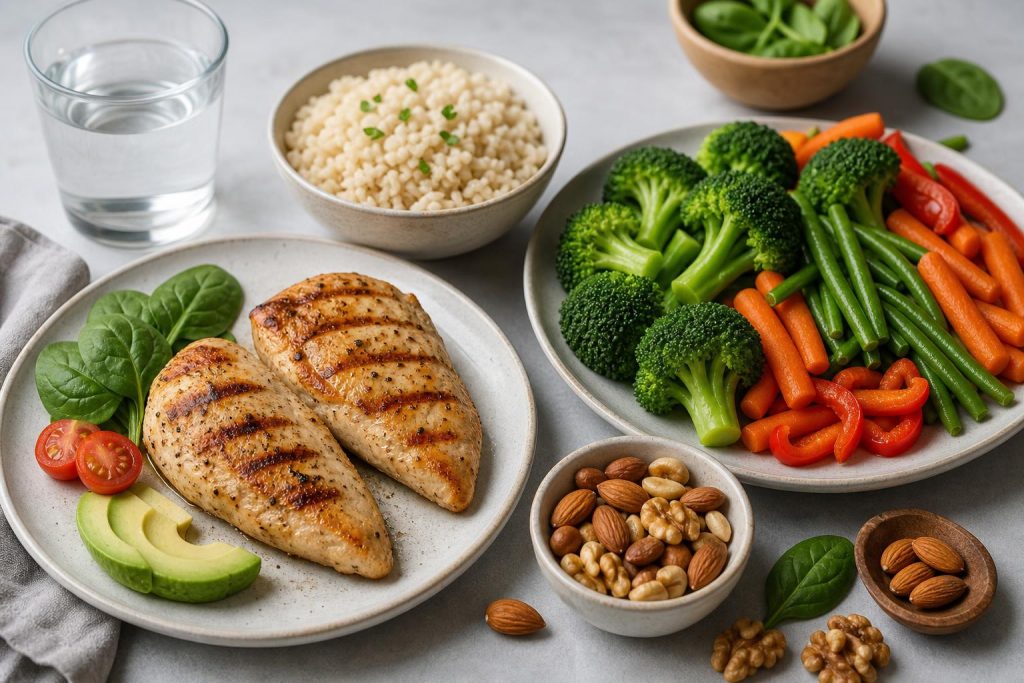
Potassium targets of 3,500 to 4,700 milligrams per day are recommended by multiple health authorities, and here the evidence on muscle preservation becomes particularly compelling. A study published in the Journal of Clinical Nutrition found that adequate potassium intake was independently associated with greater lean mass retention during calorie restriction, likely through its role in maintaining muscle cell membrane potential and protein synthesis signaling. Avocado, spinach, and potatoes are the densest whole food sources, but a man eating a suppressed 1,000-calorie day won’t naturally hit 3,500 milligrams from food. Supplementing 200 to 400 milligrams from a quality electrolyte product bridges that gap safely without approaching the upper tolerable intake.
Magnesium is the quiet one — chronically low in the general population even before any dietary restriction begins. NHANES data shows approximately 48 percent of Americans consume less than the estimated average requirement for magnesium, which sits at 350 to 420 milligrams per day for adult men. Magnesium deficiency impairs insulin sensitivity, disrupts sleep architecture, and contributes to the muscle cramping that plagues men in aggressive calorie deficits. Magnesium glycinate or malate are the best-absorbed forms and the least likely to cause the GI distress that semaglutide users are already navigating. A supplemental dose of 200 to 400 milligrams in the evening supports sleep and replenishes what diet and sweat losses have depleted.
Plain water, while essential, is not the answer in isolation. Research on exercise-associated hyponatremia demonstrates that aggressive water intake without adequate sodium can dilute serum sodium to clinically dangerous levels, producing symptoms indistinguishable from dehydration — dizziness, nausea, confusion — and sometimes far worse. The practical takeaway: drink to thirst, not to a rigid daily volume target, and ensure your fluid intake contains electrolytes rather than diluting them further.
Building a Daily Electrolyte Protocol
The most effective approach is layering sources throughout the day rather than attempting to hit targets in one bolus. Starting the morning with 16 ounces of water containing a sodium-forward electrolyte powder — look for products delivering at least 500 milligrams of sodium, 150 milligrams of potassium, and 25 to 50 milligrams of magnesium per serving — addresses the overnight fluid deficit and sets a strong foundation. Salting food throughout the day without fear adds incremental sodium naturally. A separate magnesium glycinate capsule at night rounds out the protocol without interfering with the GI side effects that often peak in the evening for semaglutide users.
On training days, an additional serving of electrolytes consumed during or immediately after exercise compensates for sweat losses that no food timing strategy can reliably replace. For men doing prolonged cardio — anything beyond 60 minutes — a second intra-workout serving becomes warranted based on sweat rate research. Monitoring is straightforward: muscle cramping, headaches, fatigue disproportionate to calorie intake, and poor sleep are the four most reliable clinical signals that electrolyte status needs attention. Blood work including a basic metabolic panel annually, or more frequently for active GLP-1 users, provides objective confirmation.
The Takeaway
Electrolyte management isn’t a niche concern for endurance athletes or a side note for GLP-1 medication users — it’s foundational physiology for any man pursuing fat loss, muscle preservation, and sustained performance. The science is unambiguous: calorie restriction depletes sodium, potassium, and magnesium at rates dietary intake alone rarely compensates for, and the downstream consequences span everything from muscle loss to impaired sleep to cardiovascular function. Getting specific about daily targets — 3,000 to 5,000 milligrams of sodium, 3,500 milligrams of potassium, 350 to 420 milligrams of magnesium — and building a layered supplementation strategy around them is one of the highest-return, lowest-cost optimizations available. Whether you’re on semaglutide, running a strict calorie deficit, deep into a ketogenic protocol, or simply training hard and eating clean, your electrolytes deserve the same intentional attention you give your macros.