Semaglutide — sold under the brand name Ozempic — has become one of the most prescribed medications in the country, and for good reason. Clinical trials published in The New England Journal of Medicine showed that participants using semaglutide lost an average of nearly 15% of their body weight over 68 weeks. But here’s what those headlines consistently miss: the men who got the best outcomes weren’t just taking the medication. They were eating differently, moving more, and treating the drug as a tool — not a solution. What you put on your plate while taking Ozempic can either amplify your results dramatically or quietly undermine them.
GLP-1 receptor agonists like semaglutide work primarily by slowing gastric emptying, suppressing appetite, and improving insulin sensitivity. The appetite suppression is real and significant — most users report eating far less than they used to without much effort. But less food doesn’t automatically mean better food. When your caloric intake drops sharply, every bite you take carries more metabolic weight. Poor food choices in a calorie-restricted state don’t just stall fat loss — research consistently shows they accelerate muscle loss, worsen micronutrient status, and increase fatigue. The question isn’t just how much you’re eating. It’s what you’re eating and why it matters more now than ever.
Protein Is Your Highest Priority — Full Stop
If there is one non-negotiable dietary principle for men on Ozempic, it is this: eat enough protein, even when you don’t feel like it. Semaglutide suppresses hunger across the board, which means many users unintentionally slash protein intake along with everything else. This is a serious problem. When you’re in a significant caloric deficit — which most Ozempic users are — your body is under pressure to use lean tissue for fuel. Studies on calorie restriction consistently demonstrate that higher protein intakes preserve lean mass during weight loss, protect metabolic rate, and improve body composition outcomes compared to lower-protein diets.
The general target most evidence supports is between 1.2 and 1.6 grams of protein per kilogram of body weight daily — and some researchers argue that men over 40 or those doing resistance training benefit from pushing toward the higher end. That means a 200-pound man should be aiming for roughly 110 to 145 grams of protein every day, regardless of whether nausea or low appetite makes that feel difficult. Prioritize protein sources that are easy to eat in smaller volumes: Greek yogurt, cottage cheese, eggs, canned fish, whey protein shakes, and lean poultry are all practical options. When your stomach is smaller and your appetite is blunted, dense protein sources are your best allies.
Resistance training compounds this effect significantly. Research published in Obesity found that combining a high-protein diet with resistance exercise during GLP-1-assisted weight loss preserved significantly more muscle mass than diet alone. Ozempic will help you lose weight. Protein and training determine what kind of weight you lose.
The Foods That Work With Your New Appetite — And The Ones That Fight It
Ozempic slows gastric emptying, which means food sits in your stomach longer. This is part of why you feel full faster — but it also means that certain foods will exacerbate discomfort, bloating, and nausea, especially in the early weeks of treatment. High-fat, greasy foods are among the most commonly reported triggers for GI distress in semaglutide users, and this isn’t surprising. Fat is already the slowest macronutrient to digest, and pairing it with delayed gastric emptying is a recipe for prolonged nausea. Fried foods, fast food, heavy cream sauces, and ultra-processed snacks should be minimized — not only because they worsen side effects, but because they’re low in nutritional value and easy to overconsume even with reduced appetite.
Highly processed, sugary foods present a different but equally important problem. Evidence from metabolic research shows that ultra-processed foods drive inflammation, impair insulin sensitivity, and promote fat storage even in a calorie-controlled context. If you’re on Ozempic to improve metabolic health — not just to see a lower number on the scale — these foods are working against your core objective at a physiological level. The medication can blunt your appetite for chips and sweets, but it can’t undo the metabolic damage they cause when consumed regularly.
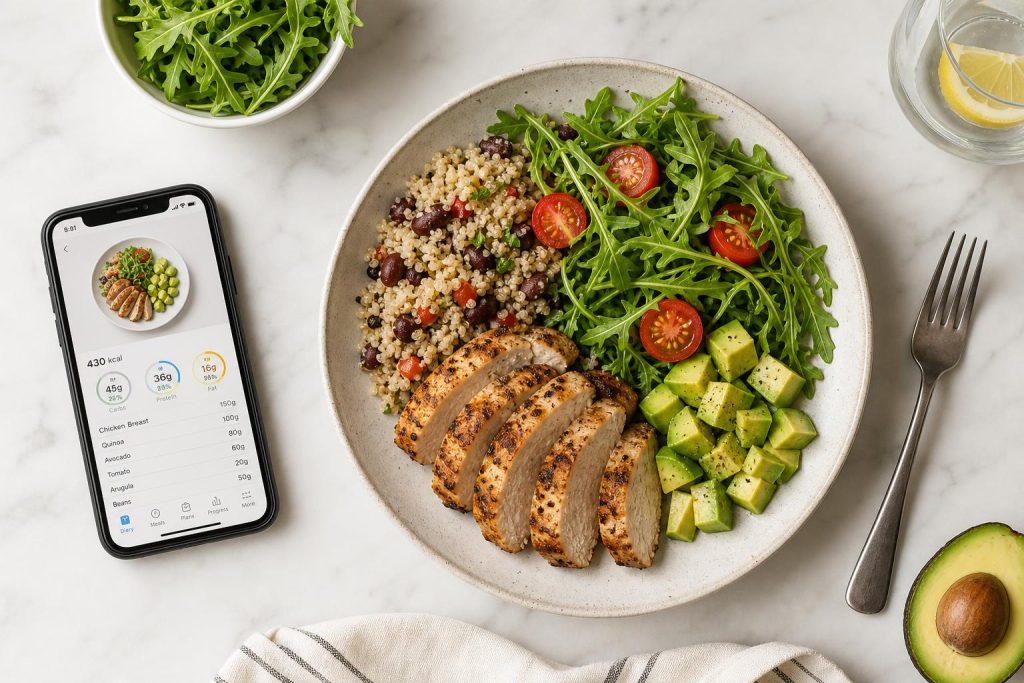
What does work well is a diet built around whole, minimally processed foods that are nutrient-dense and easy to portion. Lean proteins as discussed above, non-starchy vegetables like leafy greens, broccoli, and zucchini, legumes for fiber and plant protein, whole grains like oats and quinoa in moderate amounts, and healthy fats from sources like avocado, olive oil, and fatty fish — these form the nutritional backbone that supports fat loss, muscle preservation, and long-term metabolic improvement. Fiber deserves particular attention: soluble fiber has been shown to further improve glycemic control and increase satiety, complementing the mechanisms of semaglutide without requiring any extra effort.
Hydration is another frequently overlooked factor. Reduced food intake means reduced water intake from food sources, and many Ozempic users report mild dehydration without realizing it. Aim for at least two to three liters of water daily, and consider adding electrolytes if you’re also exercising regularly or experiencing nausea-related fluid losses. Alcohol deserves special mention here as well — semaglutide appears to reduce cravings for alcohol in some users, which is a welcome side effect, but alcohol itself blunts protein synthesis, disrupts sleep, and adds empty calories that compete with your nutritional goals.
Micronutrients, Meal Timing, and the Long Game
Eating significantly less food means eating significantly fewer vitamins and minerals unless you’re being deliberate about it. Deficiencies in zinc, magnesium, vitamin D, and B vitamins are common in men with metabolic dysfunction to begin with, and caloric restriction can deepen those gaps. Research has linked magnesium deficiency to impaired insulin sensitivity and increased cardiovascular risk — two concerns that are central for most men using GLP-1 medications in the first place. A high-quality multivitamin is a reasonable baseline, but food-first thinking matters more: colorful vegetables, nuts, seeds, and fatty fish cover a wide nutritional spectrum efficiently.
Meal timing, while less critical than total intake, is worth considering. Many Ozempic users find they do best with two to three smaller, protein-anchored meals rather than trying to force three traditional large meals on a blunted appetite. Eating within one to two hours of resistance training appears to support muscle protein synthesis based on established sports nutrition research, so structuring a protein-rich meal or shake around your workouts is a practical habit worth building regardless of whether you’re on medication.
The Takeaway
Ozempic can be a powerful catalyst for fat loss and metabolic improvement — but it doesn’t make nutrition irrelevant. It makes it more important. When you’re eating less, the quality and composition of what you do eat determines whether you emerge from this process leaner and stronger or lighter but metabolically fragile. Anchor every meal around protein. Choose foods that work with your physiology, not against it. Stay consistent with resistance training. And treat the medication as what it is — one tool in a larger strategy built on real food, real movement, and real commitment to your health.