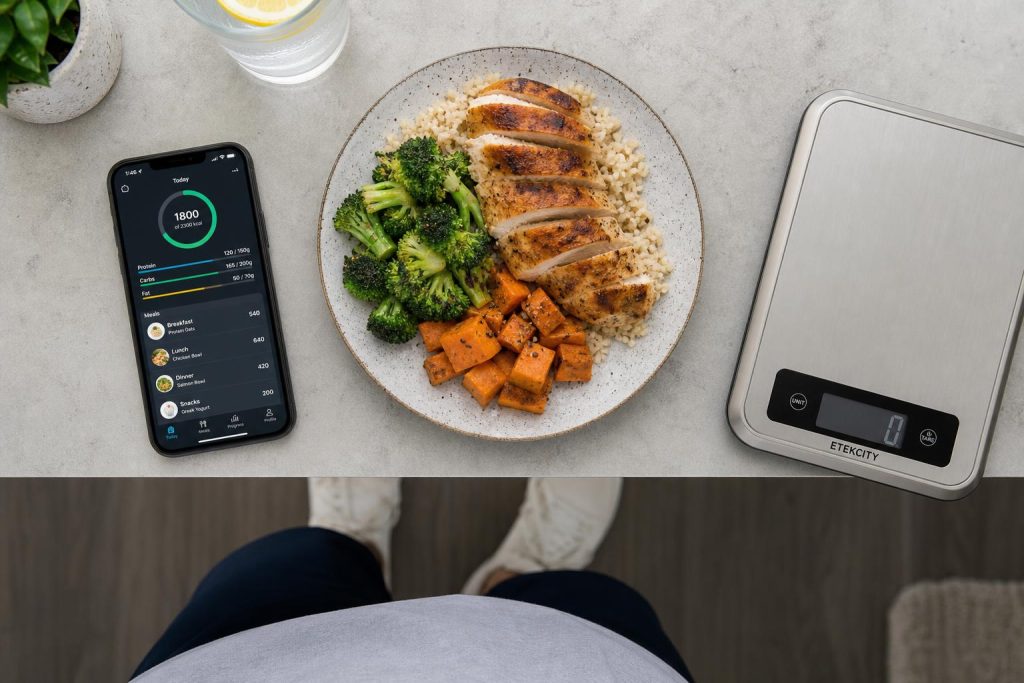
Tirzepatide is rewriting what’s possible in metabolic medicine. In the SUMMIT trial, patients with obesity-related heart failure who took tirzepatide saw their left ventricular mass drop by 11 grams and paracardiac adipose tissue shrink by 45 milliliters compared to placebo — changes that directly paralleled weight loss and may explain the drug’s dramatic reduction in heart failure events. But here’s what that data quietly reveals: the medication does not work in isolation. The structural changes to the heart tracked with body weight reduction — which means what you eat while on tirzepatide shapes not just the number on the scale, but the depth of your metabolic transformation.
This isn’t a passive drug. Tirzepatide, a dual GIP/GLP-1 receptor agonist, actively slows gastric emptying and increases satiety signals, a mechanism well-documented in the neurogastroenterology literature as central to its weight loss effects. That slowed digestion is also the engine behind the nausea, early fullness, and reduced appetite most users experience — especially during dose escalation. The practical consequence: you will eat less, but what you choose to eat in that smaller window matters enormously.
Build Every Meal Around Protein
When caloric intake drops sharply — which it will on tirzepatide — the body faces a real threat: muscle loss. Lean mass is metabolically expensive to maintain, and without adequate dietary protein, your body will cannibalize it. This is the primary nutritional risk on any aggressive caloric deficit, including a medication-assisted one. The goal is not just fat loss. It’s fat loss with preserved — or even gained — muscle tissue. That requires deliberate protein intake, typically in the range of 0.7 to 1.0 grams per pound of body weight per day, distributed across meals.
Tirzepatide reduces how much you feel like eating, but it does not change the nutritional composition you need. Prioritize complete protein sources — eggs, Greek yogurt, cottage cheese, lean chicken, salmon, beef, and legumes — at every meal. Because portions will naturally be smaller, protein density becomes critical. A 4-ounce portion of chicken breast delivers roughly 35 grams of protein. The same volume of pasta delivers carbohydrates and little else. When stomach capacity is limited, make every bite count.
Whey protein shakes can also serve as a practical bridge when appetite is suppressed enough that eating a full meal feels genuinely difficult. This isn’t about supplementing for supplementing’s sake — it’s about meeting physiological requirements during a period when hunger cues are pharmacologically blunted. Don’t let reduced appetite become an excuse for inadequate nutrition.
Eat for Your Gut, Not Just Your Goals
The gastrointestinal side effects of tirzepatide — nausea, bloating, reflux, early satiety — are real, and real-world data confirms they are a leading cause of early discontinuation. Smart food choices can dramatically reduce their severity. The same gastric slowing that aids weight loss also means high-fat meals, fried foods, and large portions sit in the stomach longer and are more likely to cause discomfort. Fatty, greasy, or heavily processed foods are reliably worse offenders.
Smaller, more frequent meals tend to work better than traditional large portions. Eating slowly, chewing thoroughly, and stopping well before feeling full aligns with how the drug affects gastric function. Foods that are easy to digest — soft vegetables, cooked grains like oatmeal or rice, broth-based soups, yogurt — are your friends during the early weeks of dose escalation. Carbonated beverages add gas and bloating on top of an already slower-moving digestive system; water and still beverages are a better default.
Fiber deserves specific mention. Adequate dietary fiber from vegetables, legumes, and whole grains supports gut motility and helps prevent constipation, another common complaint during tirzepatide therapy. Aim for 25 to 35 grams per day, but introduce it gradually if your current intake is low. A sudden fiber surge on a slowed GI tract can worsen bloating rather than help it.
What’s happening at the cardiovascular level also supports a whole-food, anti-inflammatory diet. Research on GLP-1 and GIP receptor activation in epicardial adipose tissue suggests these agents may produce beneficial cardiovascular effects partly through modulating fat depot inflammation. The expression of GIP and GLP-1 receptors in epicardial fat tissue points to direct drug-tissue interactions that go well beyond simple caloric reduction. Anti-inflammatory dietary patterns — rich in omega-3 fatty acids from fatty fish, polyphenols from colorful vegetables and berries, and minimal ultra-processed food — support the same pathways the drug is activating. This is not coincidence. It is nutritional synergy.
Hydration and Micronutrients Are Non-Negotiable
Reduced food intake means reduced micronutrient intake unless you’re intentional about it. Many men on tirzepatide eat so little in the early months that B vitamins, magnesium, zinc, potassium, and iron all trend downward without anyone noticing until energy crashes, recovery slows, or mood shifts. A high-quality multivitamin is a reasonable baseline, but more important is eating a varied diet that naturally covers the spectrum: leafy greens for magnesium and folate, red meat for iron and zinc, eggs for choline, dairy or fortified foods for calcium and vitamin D.
Dehydration is also underappreciated on appetite-suppressing medications. When you’re not hungry, you’re often not thirsty either — and water intake tends to fall alongside food intake. Aim for at least 2.5 to 3 liters of fluid daily. Adequate hydration supports kidney function, digestion, energy, and even appetite regulation itself.
The Takeaway
Tirzepatide is a powerful metabolic tool, but it doesn’t rewrite the rules of nutrition — it makes following them more consequential. When your eating window is compressed and your appetite is suppressed, every food choice carries more weight. Prioritize protein to protect muscle. Choose whole, minimally processed foods to support the cardiovascular and anti-inflammatory mechanisms the drug is already working through. Eat smaller portions that are easy on your gut, stay hydrated, and cover your micronutrient bases. The medication creates the conditions for transformation. Nutrition determines what that transformation actually looks like.
Scientific References
-
Kramer, Borlaug, Zile et al. (2025).
Tirzepatide Reduces LV Mass and Paracardiac Adipose Tissue in Obesity-Related Heart Failure: SUMMIT CMR Substudy..
Journal of the American College of Cardiology.
View on PubMed → -
Iacobellis et al. (2025).
Epicardial Fat Inflammation and GLP-1/GIP Receptor Analogs: Are we Shifting our Perspective?.
Current cardiology reports.
View on PubMed → -
Malavazos, Iacobellis, Dozio et al. (2023).
Human epicardial adipose tissue expresses glucose-dependent insulinotropic polypeptide, glucagon, and glucagon-like peptide-1 receptors as potential targets of pleiotropic therapies..
European journal of preventive cardiology.
View on PubMed → -
Camilleri et al. (2024).
The role of gastric function in control of food intake (and body weight) in relation to obesity, as well as pharmacological and surgical interventions..
Neurogastroenterology and motility.
View on PubMed → -
Kassem et al. (2026).
Real-World Evidence for Existing Anti-Obesity Therapies-The Realities of Treatment Adherence, Tolerability, Access and Patient Satisfaction..
Diabetes, obesity & metabolism.
View on PubMed →