GLP-1 receptor agonists like semaglutide and tirzepatide are reshaping how men approach weight loss and metabolic health. Prescriptions have grown exponentially over the past few years, and with that surge comes a critical question that too few patients get a clear answer to: what should you actually be eating while on these medications? The drug suppresses your appetite, yes — but what you put on your plate during that window of reduced hunger will determine whether you lose fat and preserve muscle or simply lose weight and stall out.
This is not a passive process. GLP-1 medications create a physiological opportunity. Your job is to use it intelligently.
Why Food Quality Matters More Than Ever on GLP-1s
Here’s the paradox most men run into: the medication works so well at blunting hunger that it becomes easy to under-eat — sometimes dangerously so. When your total calorie intake drops sharply, your body doesn’t care whether those missing calories came from discipline or a drug. It responds the same way: by pulling energy from wherever it can find it, including muscle tissue. For men who care about their physique, their strength, or their long-term metabolic health, this is the central dietary challenge of GLP-1 therapy.
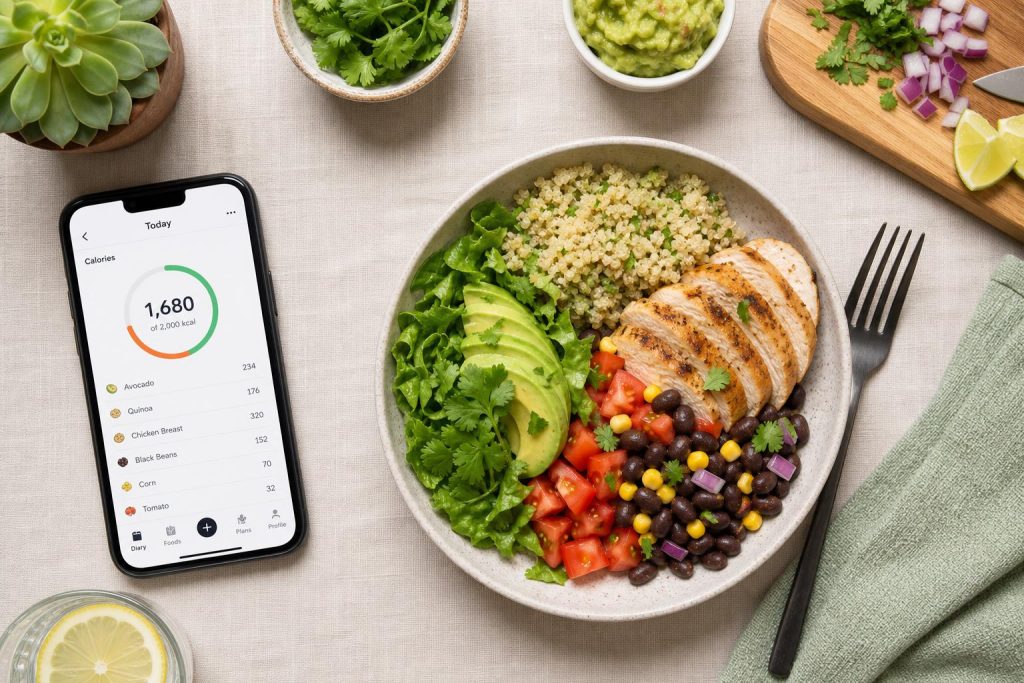
Protein is your first and most non-negotiable priority. Research consistently shows that dietary protein preserves lean mass during caloric restriction, and GLP-1-driven calorie deficits can be steep. Aim for at least 1.6 grams of protein per kilogram of body weight daily — more if you’re resistance training. Practically, that means anchoring every meal around a high-quality protein source: eggs, Greek yogurt, cottage cheese, chicken breast, fatty fish, lean beef, or quality protein shakes when appetite is genuinely low. Don’t let the absence of hunger be an excuse to skip this macronutrient. It’s doing protective work whether you feel like eating or not.
Beyond protein, the quality of your carbohydrate and fat choices matters enormously for how you feel and how sustainable the medication’s effects are. GLP-1 medications slow gastric emptying, which means fatty, greasy, or highly processed meals that were problematic before will feel significantly worse now — nausea, bloating, and discomfort are common side effects that poor food choices amplify. Men who struggle most with GI side effects on these medications are often making dietary choices that exacerbate the drug’s mechanism. Whole food carbohydrates — oats, sweet potatoes, legumes, fruit — digest more predictably and fuel performance without the GI penalty of refined junk food.
Timing, Portions, and the Oral Semaglutide Exception
If you’re taking injectable GLP-1 medications like Ozempic or Wegovy, meal timing relative to your dose is generally not a clinical concern for efficacy. But for men on oral semaglutide (Rybelsus), the rules are different — and they matter. A 2025 pilot study examining oral semaglutide effectiveness in patients switching from DPP-4 inhibitors found that the duration between taking oral semaglutide and eating breakfast was a meaningful predictor of whether patients achieved glycemic targets. Oral semaglutide must be taken on an empty stomach with a small sip of water and requires a 30-minute wait before eating to ensure adequate absorption. Skip this protocol and you’re leaving efficacy on the table. Interestingly, a 2026 discrete-choice experiment on obesity medication preferences found that only 23.4% of participants found this empty-stomach dosing requirement disruptive to their lives — suggesting it’s a manageable ask for most men willing to build a simple morning routine around it.
Portion architecture also shifts on GLP-1 therapy. Because your stomach empties more slowly and hunger signals are blunted, large meals can feel overwhelming and increase the risk of reflux or discomfort. Smaller, more frequent meals — three to four per day rather than two large ones — tend to work better for most men on these medications. This isn’t about grazing mindlessly; it’s about structuring your nutrition across the day so that you consistently hit your protein targets and caloric needs without stressing a digestive system that’s already working at a slower pace.
What the Research Tells Us About Stress, Behavior, and Staying on Track
Medication is a tool, not a guarantee. A 2026 study tracking weight management patients during the Israel-Hamas conflict found that roughly one in four individuals with overweight or obesity experienced significant acute weight gain during the period of extreme stress — and that maintaining healthy eating behaviors was identified as a key modifiable protective factor. External chaos — work stress, relationship strain, financial pressure — can and will test the dietary habits you’re building on GLP-1 therapy. Men who establish consistent eating patterns rather than relying solely on suppressed appetite to regulate intake tend to hold their progress better when life gets hard.
There’s also a psychological dimension worth acknowledging. A 2026 nationally representative study on GLP-1 awareness and eating disorder screening found that individuals who screened positive on an eating disorder screener were more likely to seek out GLP-1 medications, particularly through telehealth platforms without physician oversight. For men, disordered eating often goes unrecognized and untreated. If you find yourself using the medication as permission to restrict aggressively, or if your relationship with food feels driven by anxiety rather than health goals, that’s worth discussing with a clinician. Nutrition on GLP-1 therapy should feel sustainable and empowering — not punishing.
Hydration is also frequently overlooked. Reduced appetite often means reduced fluid intake, and dehydration compounds fatigue, constipation, and cognitive fog. Aim for at least 2.5 to 3 liters of water daily, more if you’re training hard. Fiber intake supports gut motility, which tends to slow on these medications — vegetables, legumes, chia seeds, and whole grains are your allies here.
The Takeaway
GLP-1 medications change your appetite. They do not change nutritional biology. Protein still builds and preserves muscle. Whole foods still outperform processed ones. Consistency still beats perfection. What these medications give you is a quieter internal environment — less noise from hunger and cravings — that makes it genuinely easier to eat well. Use that advantage deliberately. Prioritize protein at every meal, choose foods that support your digestion rather than fight it, follow dosing protocols precisely if you’re on oral semaglutide, and build eating habits that can stand on their own when the medication eventually changes or stops. The drug opens the door. Your nutrition is what walks through it.
Scientific References
-
Siegel, Mumford, Kresovich et al. (2026).
Eating Disorder Screen Results and GLP-1 Awareness, Interest, and Use in a Nationally Representative Sample of Adults in U.S. Households..
The International journal of eating disorders.
View on PubMed → -
Jensen, Nguo, Baxter et al. (2015).
Fasting gut hormone levels change with modest weight loss in obese adolescents..
Pediatric obesity.
View on PubMed → -
Hirotsu, Taniguchi, Nishimura et al. (2025).
Exploring factors predicting the effectiveness of oral semaglutide in Japanese individuals with type 2 diabetes switching from dipeptidyl peptidase 4 inhibitors: a pilot study..
Frontiers in clinical diabetes and healthcare.
View on PubMed → -
Almandoz, Tchang, Myers et al. (2026).
Preferences for Obesity Medications Among People With Overweight or Obesity in the United States: A Discrete-Choice Experiment (OPTIC)..
Diabetes, obesity & metabolism.
View on PubMed → -
Minsky, Robinson, Alon et al. (2026).
Determinants of acute weight gain during regional conflict among individuals with overweight and obesity receiving targeted multidisciplinary care..
Eating and weight disorders : EWD.
View on PubMed →