When researchers published the SURMOUNT-1 trial in the New England Journal of Medicine, the numbers were hard to ignore. Participants on tirzepatide lost an average of up to 20.9% of their body weight over 72 weeks — a result that rivals bariatric surgery. But buried in the data is a detail that doesn’t make the headlines: the men who preserved the most lean mass during that weight loss were those who optimized what they ate, not just how little they ate. Tirzepatide dramatically suppresses appetite, and that’s both its greatest strength and its most significant nutritional challenge.
The medication works by activating both GIP and GLP-1 receptors simultaneously, slowing gastric emptying and reducing hunger signals so effectively that many men find themselves eating far less than they ever thought possible. That’s the point. But eating less without eating strategically leads to muscle loss, micronutrient deficiencies, and a metabolism that adapts downward in ways that make long-term maintenance harder. The goal isn’t just to lose weight — it’s to lose fat, keep muscle, and build a body that stays lean without medication dependency.
The Nutritional Problem Tirzepatide Creates
On tirzepatide, a man who previously ate 2,800 calories might find himself genuinely satisfied on 1,400. That kind of caloric reduction, left unmanaged, is a fast path to sarcopenic weight loss — where the scale drops but you’re losing both fat and the muscle you worked years to build. Research on GLP-1-class medications has shown that roughly 25 to 39% of weight lost can come from lean mass when protein intake and resistance training aren’t prioritized. That’s a significant problem for long-term metabolic health, since muscle is your primary driver of insulin sensitivity and resting metabolic rate.
The practical solution starts with protein. When calories are compressed, protein has to be the non-negotiable anchor of every meal. A target of 1.6 to 2.2 grams per kilogram of body weight per day — consistent with current evidence on protein requirements during caloric restriction — should guide your planning. For a 200-pound man, that’s roughly 145 to 200 grams of protein daily, spread across two or three meals since appetite won’t allow for much more than that. Eggs, Greek yogurt, cottage cheese, canned salmon, chicken thighs, and lean beef are practical, nutrient-dense sources that deliver high protein without requiring large volumes of food.
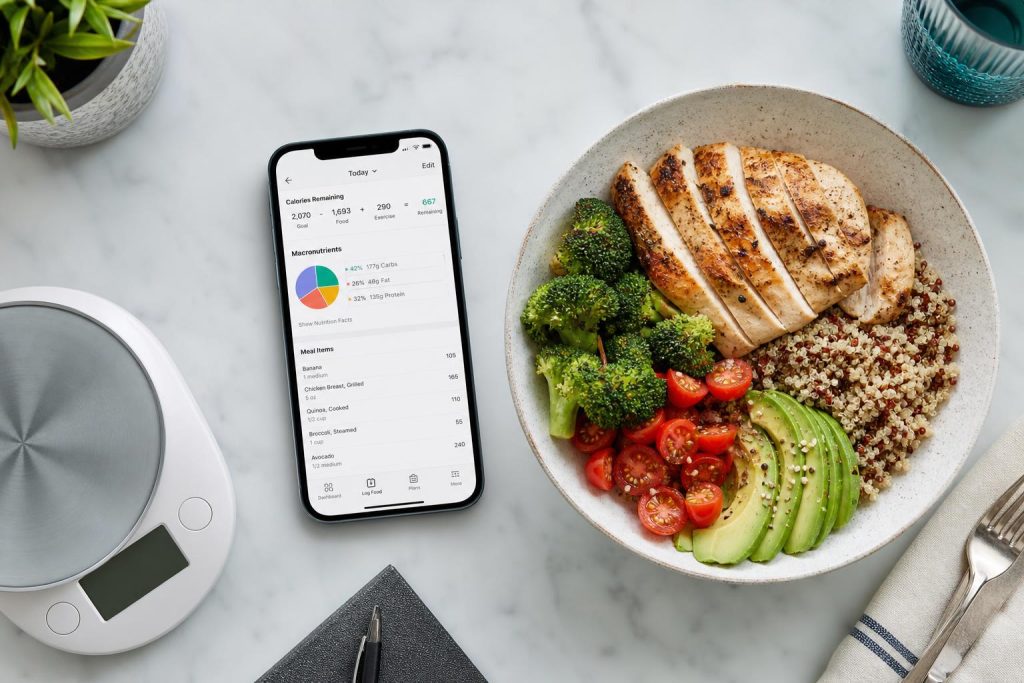
A realistic day on tirzepatide might look like this: a morning meal built around three whole eggs with two added egg whites, cooked in a small amount of olive oil with spinach and feta — delivering roughly 35 to 40 grams of protein in a compact, easily digestible package. A midday meal of 5 to 6 ounces of grilled salmon over a small bed of arugula with avocado and lemon dressing provides healthy fats, omega-3s, and another 35 to 40 grams of protein without triggering the nausea that heavier, greasier foods often cause on this medication. An evening meal centered on lean ground beef or chicken breast with roasted vegetables and a modest portion of white rice or sweet potato rounds out the macros while keeping total volume low enough to stay comfortable.
What to Eat, What to Avoid, and How to Structure Your Meals
Tirzepatide slows gastric emptying significantly, which means high-fat meals, fried foods, and large portions can cause real discomfort — nausea, bloating, and reflux that undermine both your experience and your adherence. This isn’t the time for a keto protocol heavy in butter, cream, and fatty cuts, even if that approach has worked well for you before. Instead, lean into a moderate-fat, high-protein, carbohydrate-flexible approach where your carbohydrate choices skew toward easily digested, lower-glycemic options like oats, rice, sweet potatoes, and fruit.
Fiber matters, but it needs to be introduced carefully. Dietary fiber supports gut health and glycemic control, but on tirzepatide, large amounts of raw vegetables, legumes, and high-fiber grains can exacerbate GI side effects. Cooked vegetables, peeled fruit, and smaller portions of fiber-rich foods are easier to tolerate. Hydration becomes even more critical — dehydration is a common complaint among tirzepatide users, and electrolyte losses from reduced food intake can leave you feeling fatigued and foggy. Aiming for 2.5 to 3.5 liters of fluid daily, with sodium, potassium, and magnesium-rich foods or a quality electrolyte supplement, makes a measurable difference in how you feel day to day.
Meal timing should work with your medication schedule and your natural hunger windows rather than against them. Many men on tirzepatide find that front-loading their protein — eating their largest protein serving earlier in the day — helps them hit their targets before appetite suppression peaks in the evening. A post-injection window of 24 to 48 hours often brings the strongest suppression, so planning lighter, higher-protein meals around that time prevents both undereating and the nausea that comes from forcing food when your body is signaling otherwise.
Resistance training remains essential throughout. Tirzepatide changes your appetite, not your physiology’s need for mechanical stimulus to preserve muscle. Progressive resistance training combined with adequate protein intake is the most effective strategy for maintaining lean mass during caloric restriction, and this holds true whether you’re using medication or not. Three to four sessions per week of compound movements — squats, deadlifts, rows, presses — signal your body to hold onto muscle even as fat comes off.
The Takeaway
Tirzepatide gives you a powerful metabolic edge, but the medication doesn’t do the work of building a better body on its own. It quiets the noise of hunger so you can finally eat with intention instead of impulse. Use that window strategically: anchor every meal around protein, choose foods your gut can handle comfortably, stay hydrated, keep lifting, and treat each reduced-calorie day as an investment in a leaner, more metabolically resilient version of yourself. The men who come out of a tirzepatide course in the best shape aren’t the ones who ate the least — they’re the ones who ate the smartest.