When semaglutide (Ozempic) first entered the mainstream, researchers noticed something interesting beyond the weight loss numbers: patients who reported the worst side effects — nausea, vomiting, gastroparesis-like symptoms — shared remarkably similar dietary patterns. They were eating the same kinds of foods that, even without a GLP-1 receptor agonist on board, would challenge any metabolic system. A 2023 review published in Diabetes, Obesity and Metabolism confirmed that gastrointestinal adverse events on semaglutide are not random — they are highly sensitive to meal composition and timing. In other words, what you eat on Ozempic doesn’t just affect how you feel. It determines whether the medication works for you or against you.
Ozempic works by mimicking the GLP-1 hormone, which slows gastric emptying, reduces appetite, and improves insulin sensitivity. That slowed gastric emptying is largely responsible for the drug’s appetite-suppressing power — but it also means food stays in your stomach significantly longer than it normally would. Pair that with the wrong foods, and you’re stacking a physiological slowdown on top of dietary choices that already tax digestion. The result, for many men, is a combination of nausea, bloating, reflux, and fatigue that has nothing to do with the medication failing — and everything to do with what’s on the plate.
The Foods Most Likely to Cause Problems
High-fat foods are the most consistently reported trigger for GLP-1-related nausea, and the mechanism is well understood. Fat is the slowest macronutrient to leave the stomach under normal circumstances. On Ozempic, where gastric emptying is already delayed, a fatty meal can sit in the stomach for hours longer than expected. Research on GLP-1 receptor agonists and gastric motility has shown that the combination of delayed emptying and high dietary fat significantly increases nausea scores compared to lower-fat meals. Fried foods, fast food, heavy cream sauces, and ultra-processed snacks are the primary culprits here — not dietary fat itself, but fat consumed in dense, highly processed forms that offer nothing in return except digestive distress.
Ultra-processed foods deserve their own conversation. These products — think packaged chips, processed deli meats, sugary cereals, and most convenience foods — are engineered to override satiety signals, which runs directly counter to what Ozempic is trying to accomplish. A landmark NIH clinical trial demonstrated that participants eating ultra-processed diets consumed roughly 500 more calories per day and gained weight compared to those eating minimally processed food — even when both groups were offered food ad libitum. On a GLP-1, you’re working hard to reduce caloric intake and improve metabolic signaling. Ultra-processed foods are actively working against that goal, often delivering excess sodium, refined carbohydrates, and seed oils in combinations that promote inflammation and insulin resistance.
Alcohol is another category that men on Ozempic frequently underestimate. Beyond the obvious caloric content, alcohol impairs the liver’s ability to regulate blood glucose, and when combined with semaglutide’s glucose-lowering effects, the risk of hypoglycemia increases — particularly for men who are also managing blood sugar through diet or exercise. Studies on GLP-1 receptor agonists and alcohol metabolism also suggest that GLP-1 signaling may amplify the rewarding effects of alcohol in some individuals, potentially complicating consumption patterns. Limiting alcohol intake — especially in the first several months on the medication — is not just a side effect management strategy. It’s a metabolic one.
High-sugar foods and refined carbohydrates present a subtler but equally significant issue. While Ozempic improves insulin sensitivity and blunts postprandial glucose spikes, it does not neutralize the downstream effects of chronic sugar intake. Evidence from metabolic research consistently links high added-sugar consumption to elevated triglycerides, hepatic fat accumulation, and systemic inflammation — all conditions that undermine the very metabolic improvements semaglutide is designed to produce. Sodas, fruit juices, pastries, and heavily sweetened coffee drinks are particularly problematic because they deliver glucose rapidly without triggering meaningful satiety.
What to Prioritize Instead
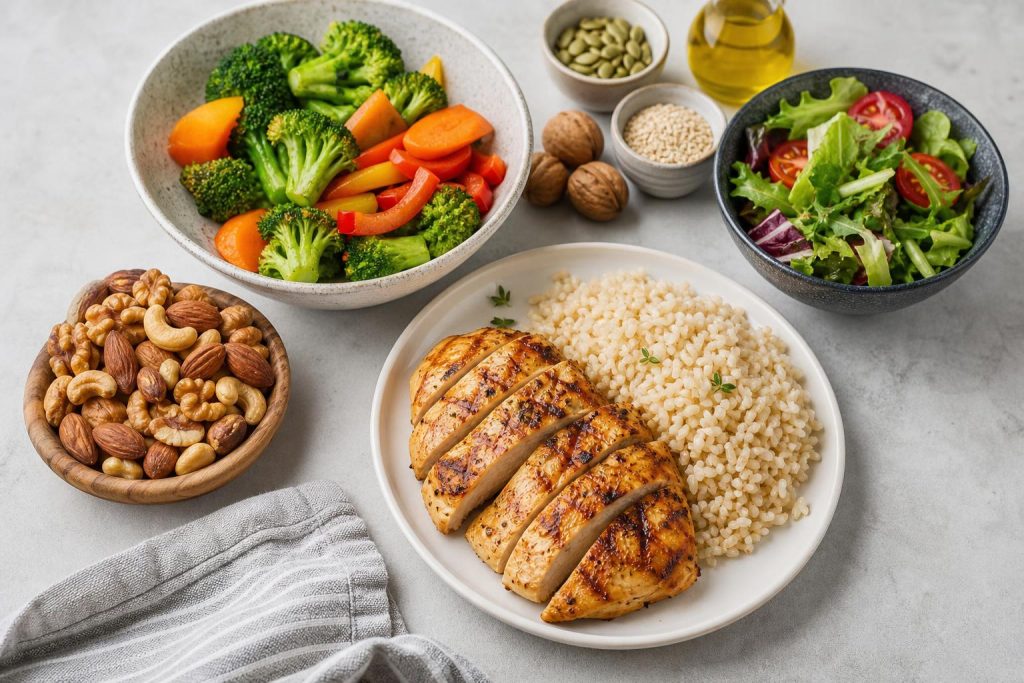
The dietary framework that consistently performs best on Ozempic — and frankly, for any man pursuing fat loss and metabolic health — centers on protein, fiber, and volume. Protein becomes especially critical because semaglutide-driven caloric restriction creates the conditions for muscle loss if protein intake is insufficient. A 2022 study in Obesity examining body composition changes during GLP-1 therapy found that a significant proportion of weight lost on these medications includes lean mass — an outcome that resistance training and high protein intake can substantially mitigate. Targeting 0.7 to 1 gram of protein per pound of body weight, distributed across meals, is a practical and evidence-supported approach. Eggs, Greek yogurt, cottage cheese, chicken, fish, and lean beef all digest relatively well and are far less likely to trigger nausea than their high-fat counterparts.
Fiber-rich whole foods — vegetables, legumes, berries, oats — support gut motility, which is particularly valuable when gastric emptying is slowed. They also feed the gut microbiome in ways that independently support metabolic health. Research on dietary fiber and GLP-1 secretion has even shown that certain fermentable fibers stimulate endogenous GLP-1 production, meaning the right dietary choices can amplify the medication’s effects rather than simply tolerating them. Smaller, more frequent meals are generally better tolerated than large ones, which can overwhelm a stomach that is already moving more slowly than usual.
Hydration is another commonly overlooked factor. Ozempic reduces appetite, and many men find they forget to drink adequate water because thirst cues are also dulled. Dehydration on a calorie-restricted diet accelerates muscle breakdown, impairs cognitive performance, and worsens the constipation that some GLP-1 users experience. Prioritizing water intake — aiming for at least half your body weight in ounces daily — is a simple but meaningful optimization.
Spicy foods and highly acidic foods, while not universally problematic, are worth monitoring individually. Because semaglutide slows gastric emptying, spicy foods that might normally pass through quickly can linger and trigger reflux or stomach discomfort. Men who already have a history of GERD or acid reflux tend to report more symptoms in this category and may benefit from avoiding these triggers during the first few months of treatment.
The Takeaway
Ozempic is a powerful metabolic tool, but it operates within the same physiological rules that govern everyone’s health. The foods that undermine your progress on semaglutide — ultra-processed products, high-fat fast food, excessive alcohol, refined sugar — are the same foods that undermine fat loss, muscle retention, and metabolic health for any man, on any protocol. What the medication does is sharpen the consequences of poor dietary choices while simultaneously giving you a real, pharmacological advantage if you work with it. The men who see the best outcomes on GLP-1 therapy are not the ones who rely on the medication alone — they’re the ones who use the reduced appetite as an opportunity to build better habits. That’s not a coincidence. It’s the science working exactly as intended.