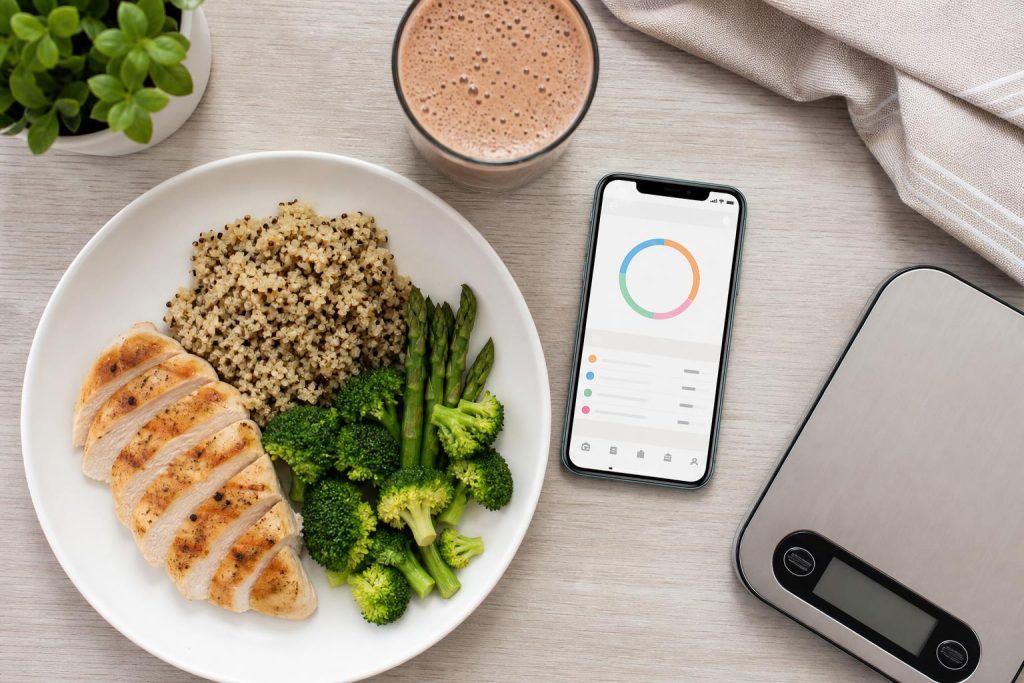
If you’re on Wegovy (semaglutide) and struggling to hit your protein targets, you’re not alone. One of the most consistent clinical realities of GLP-1 receptor agonist therapy is dramatically reduced appetite — which sounds like a win until you realize your body still needs adequate protein to preserve the muscle mass you’ve spent years building. Protein drinks aren’t just convenient on Wegovy; for many men, they’re essential.
Here’s why this matters more than most people realize: weight loss on Wegovy is real and often significant, but the composition of that weight loss is what separates a metabolic transformation from a pyrrhic victory. Studies on GLP-1 medications consistently show that without deliberate protein intake and resistance training, a meaningful portion of weight lost can come from lean muscle mass — not just fat. That’s a trade-off no serious man should accept.
Why Protein Intake Becomes Critical on Wegovy
Semaglutide works by mimicking GLP-1, a gut hormone that signals satiety to the brain, slows gastric emptying, and dramatically reduces overall caloric drive. For most men on therapeutic doses, eating 2,500 to 3,000 calories a day starts to feel physically impossible. The stomach simply feels full faster, and hunger cues that once dominated your afternoon disappear almost entirely. This is the mechanism that makes Wegovy effective — and the same mechanism that puts your protein intake at serious risk.
When your total food volume drops by 30 to 50 percent, protein is often the first casualty. Men tend to front-load calories with carbohydrates and fats — bread, pasta, chips, whatever’s convenient — and protein, which requires more deliberate planning, gets crowded out. The result is a caloric deficit paired with inadequate protein: a combination that accelerates muscle loss rather than fat loss. Research on muscle protein synthesis makes clear that hitting a minimum threshold of roughly 1.6 to 2.2 grams of protein per kilogram of body weight per day is necessary for lean mass preservation during a caloric deficit, regardless of how that deficit is achieved.
This is where protein drinks earn their place in the Wegovy toolkit. A well-formulated protein shake delivers 25 to 40 grams of complete protein in a format that’s easy on a suppressed appetite — no chewing, no meal prep, no volume that triggers early satiety. For a man on semaglutide who can realistically eat two modest meals a day, a protein shake can be the difference between meeting his daily protein target and falling 60 to 80 grams short.
Choosing the Right Protein Drink — and Avoiding the Wrong Ones
Not all protein drinks are created equal, and on Wegovy, some choices are actively counterproductive. The market is flooded with products marketed as “high protein” that are also loaded with sugar, artificial sweeteners that can worsen GI symptoms, or low-quality protein blends that don’t deliver the leucine threshold needed to trigger muscle protein synthesis. On a medication that already causes nausea and gastrointestinal discomfort in a significant percentage of users, ingredient quality isn’t a minor consideration — it’s a clinical one.
Whey protein isolate remains the gold standard for most men. It’s rapidly absorbed, high in leucine (the amino acid most directly responsible for triggering muscle protein synthesis), and well-tolerated in most cases. For men who experience Wegovy-related nausea, a lighter shake with 25 grams of whey isolate and minimal additives — consumed cold, slowly, mid-morning — is generally better tolerated than a thick, calorie-dense mass gainer. Men with dairy sensitivity can look to pea protein isolate, which has shown comparable muscle-building outcomes to whey in recent research when consumed at equivalent doses.
Timing matters too, though less dramatically than the supplement industry suggests. Getting protein distributed across your eating window — rather than cramming it all into one sitting — allows for more consistent muscle protein synthesis signaling throughout the day. On Wegovy, where meal frequency often drops, a protein shake in the morning and another post-workout gives you two reliable protein anchors regardless of how your appetite performs that day.
One category of protein drinks to approach with caution: ready-to-drink shakes with alcohol-based flavorings or those consumed alongside alcohol. This deserves specific attention because emerging research suggests that semaglutide itself may alter how the brain processes alcohol’s rewarding effects. A 2023 study published in Scientific Reports found that individuals taking semaglutide or tirzepatide self-reported significantly lower alcohol consumption, fewer drinks per drinking episode, and reduced stimulating and sedating effects from alcohol compared to controls — suggesting the medication modulates alcohol’s subjective appeal at a neurological level. A 2025 systematic review and meta-analysis in Addiction Science & Clinical Practice that pooled data from over 2.7 million individuals found that GLP-1 receptor agonists were associated with a 36 percent reduction in alcohol-related events, with semaglutide showing particularly potent effects on craving reduction. If you’re on Wegovy, your relationship with alcohol may already be shifting — something worth being aware of as you stock your nutrition toolkit.
Building Your Protein Strategy Around Wegovy
The practical framework here is straightforward. Start by calculating your daily protein target — for most active men, 160 to 200 grams per day is a reasonable goal during a weight loss phase. Then audit how much you’re actually getting from whole food sources given your current appetite. The gap between those two numbers is what your protein drinks need to fill.
Quality whole food protein sources — eggs, chicken, Greek yogurt, cottage cheese, fish — should still form the backbone of your intake whenever appetite allows. Protein drinks are bridges, not replacements. On days when nausea peaks or appetite is particularly suppressed (often the first few weeks after a dose increase), leaning harder on liquid protein keeps your muscle preservation strategy intact without forcing food that your GI system can’t handle.
Pair your protein intake with resistance training if you’re not already. Wegovy creates the caloric deficit; resistance training sends the biological signal that muscle tissue should be preserved rather than catabolized. The combination of adequate protein and consistent strength work is the most evidence-supported approach to ensuring that your weight loss is predominantly fat — not the metabolically active muscle you need for long-term health and function.
The Takeaway
Wegovy can be a powerful tool for fat loss, but it doesn’t think about your muscle mass — that’s your job. Protein drinks aren’t glamorous, but on a medication that suppresses your appetite to a fraction of normal, they’re one of the most practical interventions available. Choose a clean whey or pea isolate, hit your daily protein targets consistently, keep training hard, and use the reduced appetite as an asset rather than a liability. The men who come out of a Wegovy cycle leaner and stronger are the ones who got deliberate about protein from day one.
Scientific References
-
Patel, Blaney, Nassar et al. (2025).
GLP-1 receptor agonists and alcohol use disorder: a systematic review..
Alcohol and alcoholism (Oxford, Oxfordshire).
View on PubMed → -
Windram, Lovelock, Carew et al. (2026).
Semaglutide, tirzepatide, and retatrutide attenuate the interoceptive effects of alcohol in male and female rats..
Psychopharmacology.
View on PubMed → -
Quddos, Hubshman, Tegge et al. (2023).
Semaglutide and Tirzepatide reduce alcohol consumption in individuals with obesity..
Scientific reports.
View on PubMed → -
Zheng, Soegiharto, Au et al. (2025).
A systematic review on the role of glucagon-like peptide-1 receptor agonists on alcohol-related behaviors: potential therapeutic strategy for alcohol use disorder..
Acta neuropsychiatrica.
View on PubMed → -
Sinha, Ghosal et al. (2025).
The effects of glucagon-like peptide-1 receptor agonists (GLP1-RAs) on alcohol-related outcomes: a systematic review and meta-analysis..
Addiction science & clinical practice.
View on PubMed →