Semaglutide doesn’t just suppress appetite — it fundamentally changes how your body responds to food. And if you’re using it without a clear nutritional strategy, you’re leaving serious results on the table. Research published in 2026 confirms that GLP-1 receptor agonists like semaglutide work through multiple biological pathways — reducing systemic inflammation, improving cardiovascular function, and driving meaningful fat loss — but none of those benefits are maximized in a nutritional vacuum. What you eat while taking semaglutide matters more than most people realize.
The core challenge is this: semaglutide dramatically reduces how much you want to eat, which sounds like a win until you realize that eating too little of the wrong things accelerates muscle loss, blunts metabolic rate, and sets you up for a rebound once treatment ends. The medication is a powerful lever. Nutrition is what you do with it.
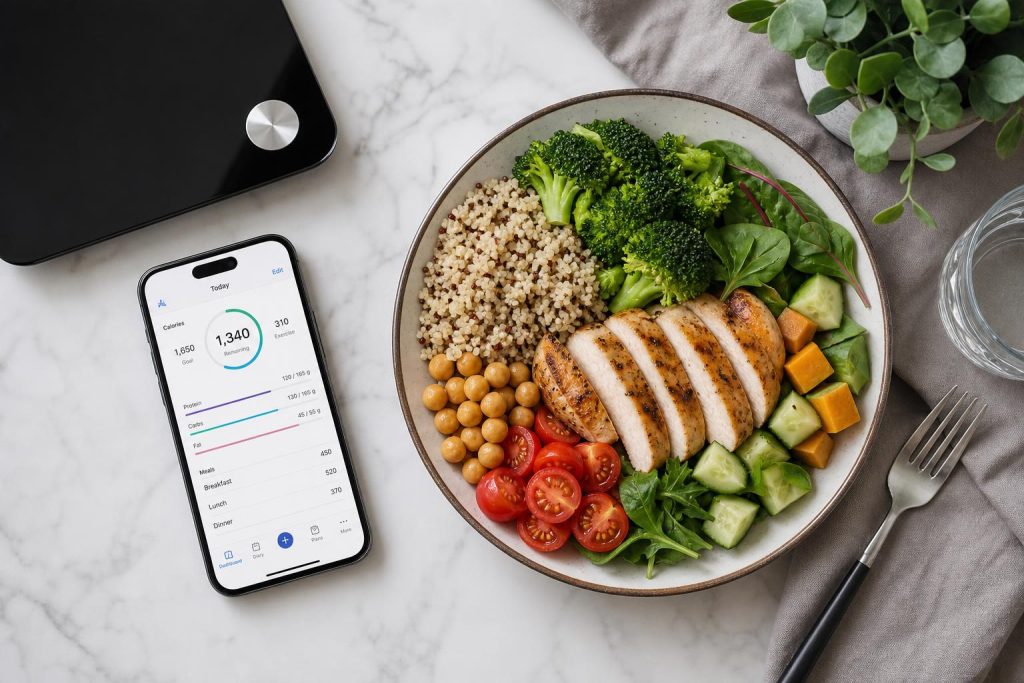
Build Every Meal Around Protein First
If there’s one nutritional non-negotiable on semaglutide, it’s protein. When caloric intake drops sharply — which it will — your body needs a strong protein signal to preserve lean muscle mass. Most men on semaglutide are eating 30 to 50 percent fewer calories than before, sometimes without even tracking it. That reduction, without adequate protein, triggers muscle catabolism. You’ll lose weight on the scale, but a troubling percentage of it will be muscle.
Aim for at least 0.7 to 1 gram of protein per pound of bodyweight daily, and prioritize it at every meal. Lean meats like chicken breast, turkey, and sirloin work well. So do eggs, Greek yogurt, cottage cheese, and fish. Whey or casein protein supplements can help fill gaps on low-appetite days when eating a full meal feels unappealing. The goal is to make protein the anchor of every eating occasion, building the rest of the plate around it rather than treating it as an afterthought.
Smaller, protein-dense meals also tend to tolerate better than large, heavy ones. Semaglutide slows gastric emptying, meaning food stays in your stomach longer. Oversized meals — especially those high in fat or refined carbohydrates — are more likely to cause the nausea and discomfort that many users experience, particularly early in treatment. Eating slowly, stopping before full, and avoiding lying down after meals are simple behavioral adjustments that make a real difference in tolerability.
Prioritize Whole Foods, Fiber, and Metabolic-Supporting Nutrients
Beyond protein, the quality of your calories becomes even more important when total intake is reduced. Non-starchy vegetables — broccoli, spinach, zucchini, bell peppers, asparagus — should fill a substantial portion of your plate. They’re nutrient-dense, high in fiber, and low in calories, supporting digestion and gut motility at a time when the GI tract is already moving more slowly. Soluble fiber in particular — found in oats, legumes, and flaxseed — helps regulate blood glucose and promotes satiety without adding significant caloric load.
Healthy fats deserve a place in the diet, but portion control matters more here than anywhere else. Avocado, olive oil, nuts, and fatty fish like salmon provide essential fatty acids and support hormonal health, including testosterone — a concern for men in a sustained caloric deficit. The key is keeping fat intake moderate rather than high. High-fat meals slow gastric emptying even further, compounding the side effects semaglutide already produces.
For carbohydrates, focus on slow-digesting, fiber-rich sources: sweet potatoes, legumes, quinoa, and whole oats. These provide steady energy without the blood glucose spikes that can destabilize hunger signals and energy levels. Ultra-processed foods, sugary drinks, white bread, and fast food don’t just spike glucose — they deliver caloric density with minimal nutritional return, and they tend to be the exact foods that still trigger overeating even in people taking appetite suppressants. Real-world research on oral semaglutide also found that the timing of meals relative to dosing — specifically the gap between taking the medication and eating breakfast — was a meaningful predictor of clinical outcomes, suggesting that meal timing isn’t trivial when you’re on a GLP-1 agent.
Hydration is frequently overlooked. Reduced food intake means reduced water intake from food sources. Many men on semaglutide are mildly dehydrated without realizing it, which worsens fatigue, impairs cognitive function, and can mimic hunger. Aim for at least 90 to 120 ounces of water daily, more if you’re training.
Alcohol deserves a direct mention. Beyond the empty calories, a pilot study examining predictors of semaglutide effectiveness found that current alcohol consumption was associated with poorer glycemic outcomes in patients switching to oral semaglutide. If fat loss and metabolic health are your goals, alcohol is the most logical thing to cut — not your chicken and vegetables.
Micronutrients and the Supplement Gap
Eating less creates a micronutrient risk that most men don’t think about. Magnesium, zinc, vitamin D, B12, and iron are particularly vulnerable when total food volume drops. Magnesium and zinc are critical for testosterone production, sleep quality, and insulin sensitivity. Vitamin D deficiency is already endemic in men. B12 becomes relevant especially for men eating fewer animal products or experiencing absorption changes on GLP-1 therapy.
A high-quality multivitamin isn’t a replacement for whole foods, but it functions as a reasonable safety net during the caloric reduction phase. Creatine monohydrate is also worth considering — it’s one of the most well-researched supplements available and supports muscle retention and strength performance during periods of caloric deficit, making it a practical complement to a protein-forward diet on semaglutide.
Clinical evidence now shows semaglutide improving cardiovascular markers, reducing epicardial fat, and lowering inflammatory biomarkers in ways that extend well beyond the scale. But those systemic benefits are best supported by a diet already aligned with metabolic health — anti-inflammatory, nutrient-dense, and anchored in whole foods. The medication and the diet aren’t separate strategies. They’re working on the same problem from different directions.
The Takeaway
Semaglutide gives you a significant physiological advantage in the fight against excess body fat. But the medication doesn’t choose what goes on your plate. Prioritize protein at every meal, build around whole foods and fiber, moderate fat and carbohydrate quality, ditch alcohol, stay hydrated, and address micronutrient gaps. That combination turns a good medication into a genuinely transformative tool — and builds the dietary habits that sustain results long after the prescription ends.
Scientific References
-
Roy, Parent, Ducharme et al. (2026).
GLP1 receptor agonists in heart failure with preserved ejection fraction (HFpEF) – beyond weight loss: a condensed scientific review..
Drugs in context.
View on PubMed → -
Hirotsu, Taniguchi, Nishimura et al. (2025).
Exploring factors predicting the effectiveness of oral semaglutide in Japanese individuals with type 2 diabetes switching from dipeptidyl peptidase 4 inhibitors: a pilot study..
Frontiers in clinical diabetes and healthcare.
View on PubMed → -
Almandoz, Tchang, Myers et al. (2026).
Preferences for Obesity Medications Among People With Overweight or Obesity in the United States: A Discrete-Choice Experiment (OPTIC)..
Diabetes, obesity & metabolism.
View on PubMed →