When researchers from the SUMMIT trial put tirzepatide under a cardiac MRI scanner, the results were striking. Tirzepatide reduced left ventricular mass by 11 grams and slashed paracardiac adipose tissue by 45 mL compared to placebo over 52 weeks — changes that tracked directly with body weight loss. This isn’t just a weight loss drug. It’s a metabolic intervention that reshapes fat depots at the deepest levels of the body. But here’s what the clinical trials don’t tell you: the drug can only do so much. What you eat while taking tirzepatide determines whether you lose fat and preserve muscle — or simply eat less of the wrong things and come out the other side metabolically worse off.
Tirzepatide works as a dual GIP and GLP-1 receptor agonist, and one of its most clinically significant effects is on gastric emptying. Research confirms that GLP-1 receptor activation retards gastric emptying and increases gastric accommodation, which is part of why appetite suppression on tirzepatide can be so powerful. Food stays in your stomach longer, satiety signals are amplified, and the desire to eat diminishes substantially. For men who have spent years fighting hunger on calorie-restricted diets, this feels like a relief. The danger, however, is underestimating how little you’re actually consuming — and what that can cost you in muscle mass, micronutrient status, and long-term metabolic health.
Protein First, Every Single Meal
When appetite suppression is strong, most men instinctively reach for whatever is easiest and smallest — crackers, a handful of nuts, maybe some fruit. This is a mistake that compounds quickly. Tirzepatide dramatically reduces caloric intake, and if protein isn’t prioritized within that smaller eating window, the body has no choice but to cannibalize lean tissue to meet its amino acid demands. You don’t just lose weight on tirzepatide — you lose weight fast, and fast weight loss without adequate protein means muscle loss.
The target is straightforward: aim for 0.7 to 1 gram of protein per pound of bodyweight daily, spread across whatever meals you can manage. Eggs, Greek yogurt, cottage cheese, lean beef, chicken thighs, canned salmon, and protein shakes are practical staples because they’re protein-dense without requiring large meal volumes. If nausea or early satiety makes it hard to finish a full plate, liquid protein sources like a well-formulated protein shake become genuinely useful — not as a supplement afterthought, but as a strategic tool to hit your numbers when solid food feels like too much.
The reasoning goes beyond aesthetics. Muscle mass is metabolically active tissue — it burns calories at rest, improves insulin sensitivity, and protects long-term metabolic rate. Losing it while on tirzepatide doesn’t just affect how you look; it undermines the very metabolic improvements the drug is supposed to deliver.
The Foods That Work With the Drug — and the Ones That Don’t
Because gastric emptying is slowed on tirzepatide, high-fat meals and large portions of dense food can sit uncomfortably in the stomach for extended periods, worsening nausea — one of the most common reasons men reduce their dose or discontinue treatment entirely. This doesn’t mean dietary fat is off the table. It means timing and volume matter more than they might on a standard diet.
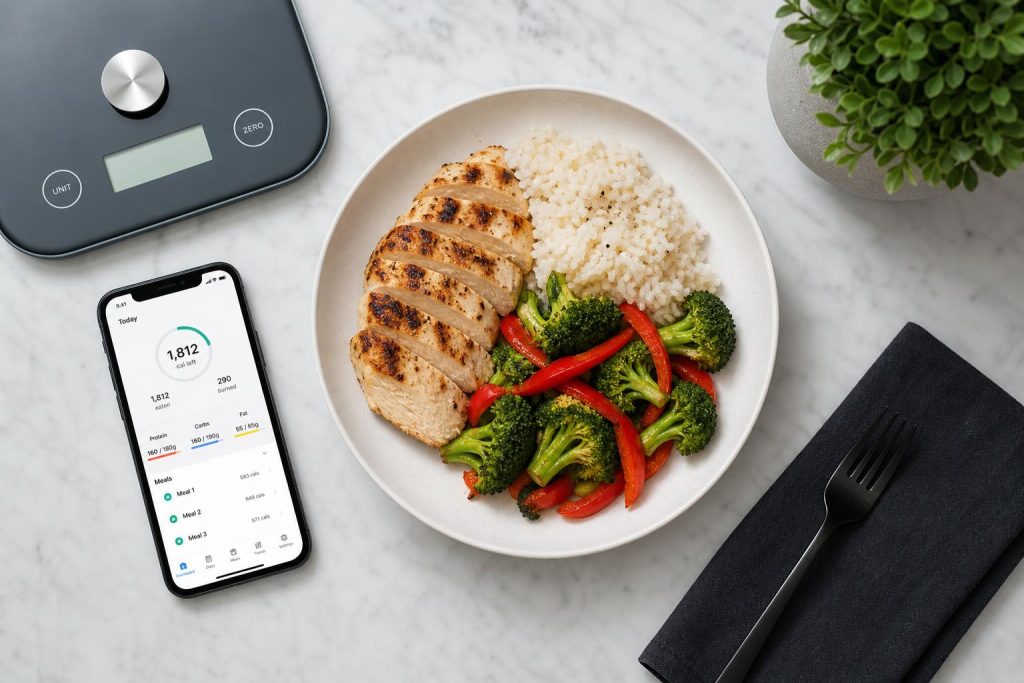
Lean proteins paired with non-starchy vegetables form the nutritional backbone of a smart tirzepatide eating plan. Think grilled salmon with roasted broccoli, ground turkey with zucchini, or a Greek yogurt bowl with berries. These foods deliver nutrients without overwhelming a gut that is already processing food more slowly than usual. Whole food carbohydrates — sweet potatoes, oats, legumes, brown rice — remain valuable for energy, glycogen replenishment if you train, and fiber intake, but portion sizes should be modest given the reduced caloric budget.
Ultra-processed foods present a specific problem here. Soft, hyperpalatable foods like chips, crackers, and cookies may not trigger the same satiety signals that whole foods do, even with tirzepatide on board. You can eat significant calories in this category without ever feeling full because they’re engineered to bypass normal satiation mechanisms. Prioritizing whole foods isn’t just a wellness cliché in this context — it’s a strategic decision that works with the drug’s mechanism rather than against it.
Hydration also warrants more attention than most men give it. Reduced food intake means reduced water from food sources, and tirzepatide users are at elevated risk of dehydration, which exacerbates nausea and fatigue. Aim for at least two to three liters of water daily, and consider electrolyte support — particularly sodium, potassium, and magnesium — if meals are consistently small.
The risk of inadequate intake isn’t hypothetical. A published case report documented starvation ketosis in a young woman using tirzepatide without medical supervision, with serum ketones reaching 2057 µmol/L despite normal blood glucose — a metabolic crisis driven by severe caloric restriction amplified by the drug’s appetite-suppressing effects. While this case involved unsupervised use in a clinically vulnerable individual, it underscores a real biochemical risk: tirzepatide’s appetite suppression can be powerful enough to push intake below what the body needs to function safely, especially in men who are already pursuing aggressive caloric deficits.
The cardiovascular benefits of tirzepatide are also partly mediated through its effects on visceral and epicardial fat. GLP-1 and GIP receptor activation in epicardial adipose tissue may induce beneficial adipose remodeling, and human epicardial fat has been confirmed to express GIP, GLP-1, and glucagon receptors — making this fat depot a direct pharmacological target. Supporting these cardiovascular benefits through an anti-inflammatory diet rich in omega-3 fatty acids, polyphenols, and fiber isn’t separate from the drug’s mechanism — it’s complementary to it.
The Takeaway
Tirzepatide is a powerful tool, but it doesn’t make nutrition irrelevant — it makes smart nutrition more important than ever. Eat less, yes. But eat intentionally. Lead with protein at every meal, build your plate around whole foods that work with your slowed digestion, stay hydrated, and don’t let appetite suppression trick you into under-fueling a body that still needs to perform. The drug reshapes your metabolism. Your diet determines what you build with that opportunity.
Scientific References
-
Kramer, Borlaug, Zile et al. (2025).
Tirzepatide Reduces LV Mass and Paracardiac Adipose Tissue in Obesity-Related Heart Failure: SUMMIT CMR Substudy..
Journal of the American College of Cardiology.
View on PubMed → -
Iacobellis et al. (2025).
Epicardial Fat Inflammation and GLP-1/GIP Receptor Analogs: Are we Shifting our Perspective?.
Current cardiology reports.
View on PubMed → -
Malavazos, Iacobellis, Dozio et al. (2023).
Human epicardial adipose tissue expresses glucose-dependent insulinotropic polypeptide, glucagon, and glucagon-like peptide-1 receptors as potential targets of pleiotropic therapies..
European journal of preventive cardiology.
View on PubMed → -
Camilleri et al. (2024).
The role of gastric function in control of food intake (and body weight) in relation to obesity, as well as pharmacological and surgical interventions..
Neurogastroenterology and motility.
View on PubMed → -
Yasui-Furukori, Tasaki, Kaiga et al. (2026).
Starvation ketosis following self-administered tirzepatide obtained via online services in a young woman later diagnosed with anorexia nervosa: a case report..
Journal of eating disorders.
View on PubMed →