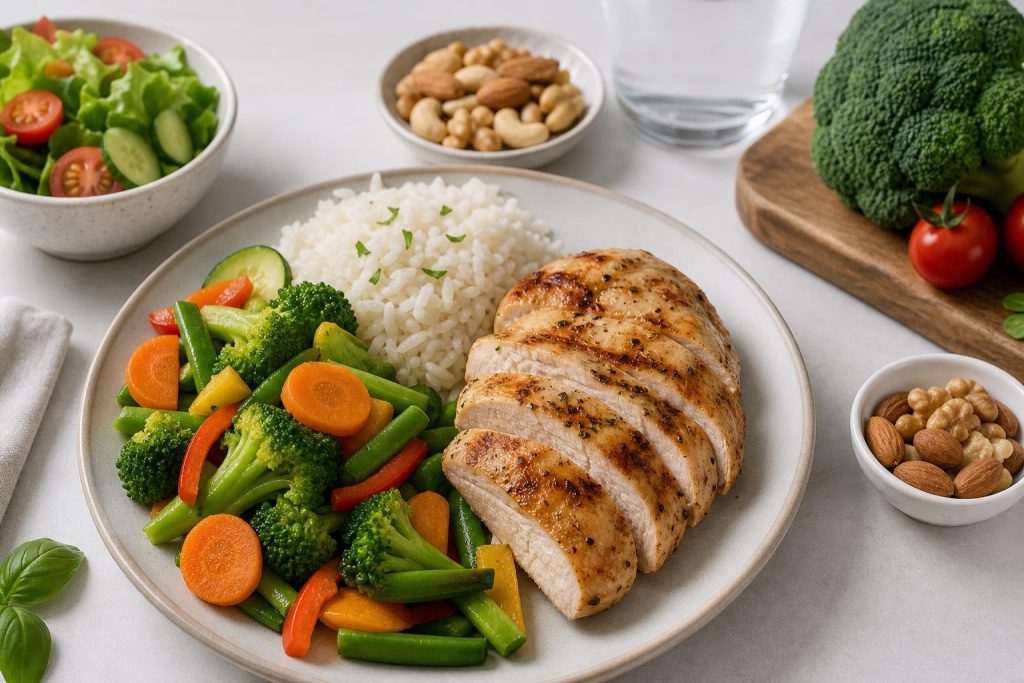
Semaglutide doesn’t do the work for you — it creates the conditions for the work to pay off. The drug slows gastric emptying, suppresses appetite, and shifts your hormonal environment in ways that make eating less feel effortless. But what you choose to eat during that window matters enormously. Eat poorly and you’ll lose muscle alongside fat, feel sluggish, and undermine the cardiovascular and metabolic benefits the drug is capable of delivering. Eat strategically and you compound every advantage semaglutide offers.
This isn’t theoretical. Clinical trial data from STEP-HFpEF showed that semaglutide improved symptoms, functional capacity, and inflammatory biomarkers in patients with obesity-related heart failure — benefits driven in part by meaningful reductions in visceral and epicardial fat. The drug targets the metabolic root cause, but food quality determines whether that process runs cleanly or not.
Protein First — Every Single Meal
The single most important nutritional rule while on semaglutide is protecting muscle mass. Because the drug suppresses appetite so effectively, many men find themselves eating far less than they realize — sometimes dangerously little protein. When you’re in a significant caloric deficit and protein intake drops, your body doesn’t just burn fat. It breaks down muscle tissue for fuel, a process that slows your metabolism and undermines long-term body composition.
Aim for a minimum of 1.2 to 1.6 grams of protein per kilogram of bodyweight daily. At a practical level, that means anchoring every meal around a protein source — eggs, Greek yogurt, cottage cheese, chicken breast, salmon, lean beef, or quality protein shakes when appetite is low. The smaller your food volume gets due to semaglutide’s appetite suppression, the more deliberately you need to prioritize protein within it. Think of every meal as a protein delivery system first, with vegetables and complex carbohydrates filling the remaining space.
Because semaglutide slows gastric emptying, high-fat and high-fiber meals can sit uncomfortably in the stomach for extended periods. Men who front-load their meals with heavy fats or large amounts of raw vegetables often report increased nausea. A smarter approach is moderate fat, well-cooked vegetables, and easily digestible lean proteins — especially in the early weeks of dose titration when GI tolerance is lowest.
What to Limit and Why Timing Matters
Ultra-processed foods, alcohol, and high-sugar meals work directly against everything semaglutide is trying to accomplish. The drug improves insulin sensitivity and reduces systemic inflammation — researchers have noted reductions in inflammatory markers like CRP alongside improvements in cardiac and metabolic function. Regularly spiking blood sugar with refined carbohydrates or inflammatory seed oils blunts these benefits. You don’t need to be dogmatic, but the metabolic math is simple: semaglutide opens a door and poor food choices push it closed.
Alcohol deserves particular attention. A study examining factors affecting oral semaglutide effectiveness in type 2 diabetes patients identified current alcohol drinking as a meaningful predictor of whether patients achieved their glycemic targets — those who drank were less likely to reach HbA1c goals than those who didn’t. While the mechanism involves multiple pathways, the signal is clear: alcohol interferes with semaglutide’s metabolic work.
Timing your meals also matters more than most men expect. Research on oral semaglutide found that the duration between taking the medication and eating breakfast was a significant predictor of treatment success. Even for injectable semaglutide users, this principle applies broadly — giving the drug adequate time to act before introducing food, and not eating right before bed when digestion is already slower, can meaningfully reduce nausea and GI discomfort.
Hydration is routinely underestimated. Because semaglutide affects kidney function and promotes natriuresis — the excretion of sodium — staying adequately hydrated with electrolyte-balanced fluids supports both kidney health and energy levels. Plain water, mineral water, and low-sodium broths are smart daily staples. Sugary sports drinks are not.
Focus your plate on lean proteins, non-starchy vegetables, legumes, whole grains in moderate portions, and healthy fats from sources like olive oil, avocado, and fatty fish. This isn’t a complicated diet. It’s the nutritional environment that lets semaglutide deliver on its clinical promise — the same framework that patients in clinical trials prioritized when weighing treatment outcomes around cardiovascular risk reduction and sustainable weight loss.
The Takeaway
Semaglutide is a powerful metabolic tool, but the food you eat while taking it is what determines your actual outcome. Protect your muscle with aggressive protein intake, limit processed foods and alcohol that blunt the drug’s benefits, pay attention to meal timing to reduce GI side effects, and stay hydrated. The medication creates the window — your nutrition decides what you build inside it.
Scientific References
-
Roy, Parent, Ducharme et al. (2026).
GLP1 receptor agonists in heart failure with preserved ejection fraction (HFpEF) – beyond weight loss: a condensed scientific review..
Drugs in context.
View on PubMed → -
Hirotsu, Taniguchi, Nishimura et al. (2025).
Exploring factors predicting the effectiveness of oral semaglutide in Japanese individuals with type 2 diabetes switching from dipeptidyl peptidase 4 inhibitors: a pilot study..
Frontiers in clinical diabetes and healthcare.
View on PubMed → -
Almandoz, Tchang, Myers et al. (2026).
Preferences for Obesity Medications Among People With Overweight or Obesity in the United States: A Discrete-Choice Experiment (OPTIC)..
Diabetes, obesity & metabolism.
View on PubMed →