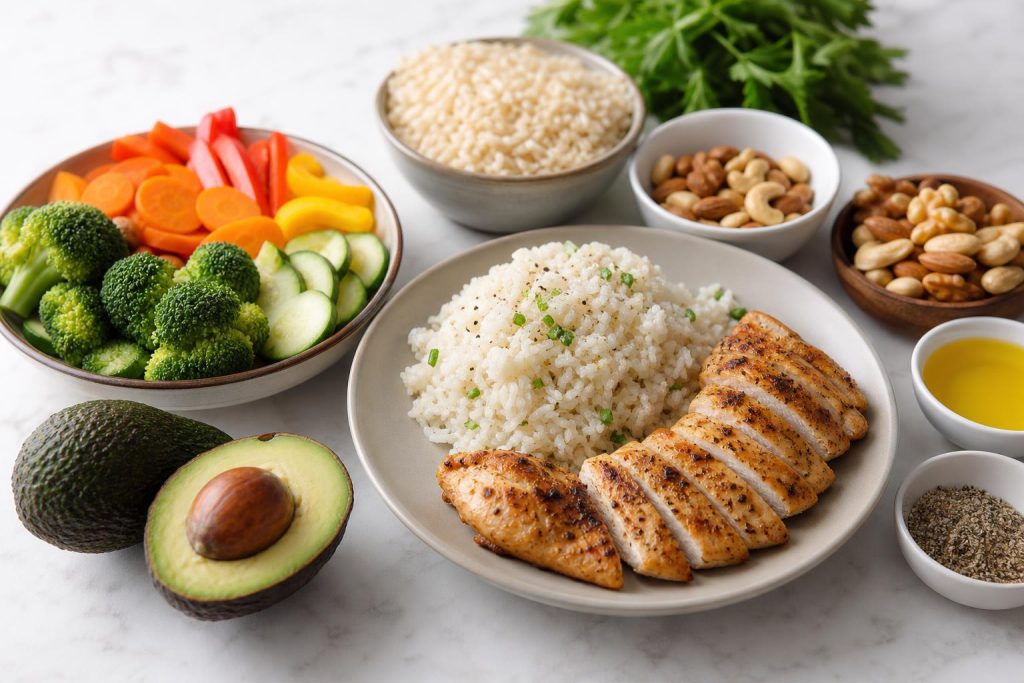
Tirzepatide doesn’t just suppress appetite — it fundamentally changes how your body processes food. As a dual GIP and GLP-1 receptor agonist, it slows gastric emptying, blunts postprandial glucose spikes, and alters hunger signaling in ways that make what you eat on injection day matter more than most people realize. Research published in the New England Journal of Medicine found that tirzepatide users lost up to 22.5% of body weight over 72 weeks — but the men who preserved lean mass and minimized side effects weren’t just riding the medication. They were eating strategically.
Injection day — typically a once-weekly dose — tends to bring the most pronounced gastrointestinal effects for many users, especially in the first few months. Nausea, bloating, and that heavy, overly-full feeling are the most commonly reported complaints, and they’re almost always made worse by poor food choices. The goal on injection day isn’t to eat as little as possible. It’s to eat in a way that supports the medication, protects your muscle mass, and keeps your gut comfortable enough to function.
Build Your Injection Day Plate Around Protein and Digestion
The single most important nutritional priority on tirzepatide injection day is protein. Studies consistently show that reduced caloric intake during GLP-1-based therapy puts users at significant risk of losing lean muscle tissue alongside fat — a phenomenon that can slow metabolism and compromise long-term results. Hitting a minimum of 0.7 to 1 gram of protein per pound of bodyweight daily becomes non-negotiable, even when your appetite feels nonexistent.
On injection day specifically, lean and easily digestible protein sources are your best allies. Eggs, Greek yogurt, cottage cheese, white fish, and grilled chicken breast all digest efficiently without putting excess mechanical load on a stomach that’s already working more slowly than usual. Tirzepatide’s effect on gastric emptying means that heavy, fatty, or fiber-dense meals can sit in the stomach for extended periods, amplifying nausea and discomfort. That’s not the time for a three-egg omelet loaded with cheese and vegetables, a large protein shake with added fiber, or a ribeye. Keep meals smaller, simpler, and spaced out.
Hydration deserves equal attention. Research on GLP-1 receptor agonists and nausea mechanisms points to dehydration as a compounding factor in gastrointestinal side effects. Aim for consistent fluid intake throughout the day — water, electrolyte drinks low in sugar, or clear broths — rather than large volumes at once, which can worsen that bloated, overfull sensation.
What to Avoid on Injection Day
Certain foods reliably make injection day worse. High-fat meals are at the top of the list. Fat dramatically slows gastric emptying on its own — stack that effect on top of tirzepatide’s already-slowed digestion and you have a recipe for prolonged nausea. Clinical data on GLP-1-related nausea shows that meal fat content is one of the strongest dietary predictors of symptom severity. Fried foods, heavy cream sauces, full-fat dairy in large amounts, and processed snack foods should all be pushed to other days of the week.
Alcohol is another substance worth cutting entirely on injection day. Tirzepatide already reduces alcohol cravings in many users — emerging research suggests GLP-1 pathways influence reward-related drinking behavior — but even moderate alcohol consumption can intensify GI upset and impair the protein synthesis your muscles depend on. Carbonated beverages and high-FODMAP foods like cruciferous vegetables, legumes, and onions should also be minimized, as they add gas and bloating to an already-sensitive digestive system.
Refined carbohydrates and high-glycemic foods aren’t doing you any favors either. While tirzepatide significantly improves insulin sensitivity and glucose regulation, spiking blood sugar unnecessarily on injection day can still trigger energy crashes and cravings that work against the medication’s benefits.
The Takeaway
Injection day isn’t a day off from eating — it’s a day to eat smarter. Anchor your meals around lean, easily digestible protein, keep portions moderate, stay hydrated, and sidestep the foods that amplify GI distress. Tirzepatide is a powerful tool for metabolic transformation, but it works best when your nutrition strategy works with it. The men seeing the best results aren’t just letting the medication do the heavy lifting — they’re showing up with a plan on every single injection day.