When semaglutide and tirzepatide burst into mainstream medicine, the conversation immediately fixated on the injections themselves — the dose, the brand, the side effects. What got buried was the part that arguably matters just as much: what you actually eat while taking them. GLP-1 receptor agonists work by slowing gastric emptying, amplifying satiety signals, and blunting postprandial glucose spikes — but none of that biology operates in a vacuum. The food choices you make on these medications can either amplify those mechanisms or fight against them. A structured GLP-1 meal planner isn’t a nice-to-have. For men serious about fat loss, muscle retention, and long-term metabolic health, it’s the infrastructure the medication was designed to run on.
The clinical evidence makes this clear. GLP-1 receptor agonist therapy as a combination option with insulin in T2DM patients consistently shows that medication alone — whether insulin, GLP-1 agonists, or oral agents — performs best when anchored to structured dietary and lifestyle strategies. The biology of GLP-1 is elegant: it slows the rate at which food leaves your stomach, suppresses glucagon, and signals the hypothalamus to reduce appetite. But if your meals are poorly timed, protein-sparse, or loaded with ultra-processed carbohydrates, you’re blunting the very mechanisms the drug is trying to reinforce.
What GLP-1 Medications Actually Do to Your Appetite — and Why Meal Structure Matters
Understanding the pharmacology helps you build a smarter plate. GLP-1 agonists reduce appetite significantly — sometimes dramatically — especially in the first weeks of titration. Many men report that they simply forget to eat, or feel full after a few bites. This sounds like a win, but it creates a real nutritional problem: when total caloric intake drops sharply, the body doesn’t just burn fat. It burns muscle too, particularly when protein intake is inadequate. For men who want to preserve strength, maintain metabolic rate, and look lean rather than just lighter on the scale, this is the central challenge of being on a GLP-1.
The solution isn’t to eat more than your appetite allows — that defeats the purpose. The solution is to make every meal count with extraordinary nutritional density. Think of your reduced appetite as a budget constraint. If you only have room for 1,400 to 1,800 calories per day on medication, every single calorie needs to be pulling significant metabolic weight. That means prioritizing lean proteins at every meal, building meals around fiber-rich vegetables that support gut motility, and using complex carbohydrates strategically around physical activity rather than spreading refined carbs across the day.
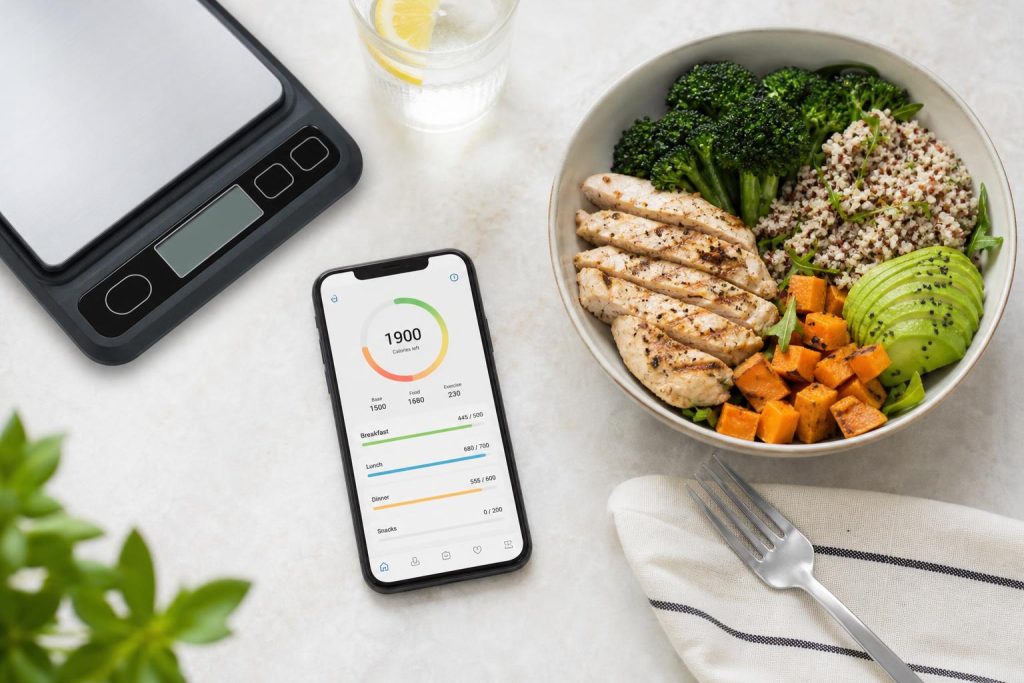
A practical GLP-1 meal planner typically structures the day around two to three high-protein, moderate-fat meals with minimal snacking. This aligns well with the medication’s satiety effects — most men on GLP-1s find that grazing or eating frequently becomes uncomfortable and counterproductive. A morning meal built around eggs, Greek yogurt, or a protein shake sets the tone. Lunch might center on grilled chicken or salmon over a large vegetable base with legumes. Dinner becomes the opportunity to include a moderate portion of complex carbohydrates — sweet potato, quinoa, or brown rice — alongside more lean protein and healthy fat. These aren’t rigid rules, but they represent a framework that respects both the medication’s effects and your body’s nutritional needs.
Protein Is the Non-Negotiable — Build Every Meal Around It
If there is one macronutrient that deserves the most attention on a GLP-1 meal plan, it’s protein — and the target is higher than most men expect. The general population recommendation of 0.8 grams per kilogram of body weight is a floor for basic function, not a ceiling for body composition. For men on GLP-1 medications who are actively trying to preserve or build muscle during caloric restriction, the evidence strongly supports targeting 1.6 to 2.2 grams of protein per kilogram of body weight per day. For a 200-pound man, that translates to roughly 145 to 200 grams of protein daily — a number that requires deliberate planning, especially when appetite is suppressed.
The types of protein matter too. Animal-based proteins — chicken breast, eggs, lean beef, fatty fish like salmon and tuna, cottage cheese, Greek yogurt — provide complete amino acid profiles and high leucine content, which is the critical trigger for muscle protein synthesis. Plant-based proteins can absolutely contribute, but men relying primarily on plant sources should pay attention to leucine content and consider combining sources like lentils with quinoa or edamame with rice to ensure completeness. Protein shakes are a practical ally here — not because whole food isn’t preferable, but because when appetite is blunted and meals feel like work, a well-formulated protein shake can bridge the gap without demanding digestive effort.
Meal timing relative to GLP-1 injection days also deserves attention. Many men on weekly injectables like semaglutide notice that nausea or reduced appetite peaks one to two days after the injection. Planning lighter, easier-to-digest meals on those days — think smoothies, soft proteins like eggs or yogurt, and easily tolerated carbohydrates like oatmeal or banana — and reserving larger, more nutrient-dense meals for later in the week when appetite normalizes can significantly improve both adherence and nutritional adequacy.
Hydration is consistently underrated in GLP-1 meal planning. Because these medications slow gastric emptying, dehydration can compound feelings of fullness and nausea. Men should be drinking a minimum of 2.5 to 3 liters of water per day, more if training, and should front-load hydration in the morning rather than relying on thirst cues, which are often blunted alongside appetite on GLP-1 therapy.
Foods to reduce or eliminate while on a GLP-1 plan aren’t arbitrary. High-fat, greasy foods slow gastric emptying further and frequently trigger nausea. Carbonated beverages create uncomfortable gas and bloating. Spicy foods can aggravate GI sensitivity. Refined sugars cause the kind of rapid glucose excursions that GLP-1 medications are specifically designed to moderate — undermining the drug’s mechanism while also contributing to energy crashes. None of these are permanent bans, but during the active titration and fat loss phase, minimizing them accelerates progress and reduces side effects meaningfully.
What This Means For You
A GLP-1 prescription changes your appetite. A GLP-1 meal planner changes your results. The medication creates the conditions for fat loss — the reduced hunger, the improved glucose control, the lower caloric intake — but it cannot decide what goes on your plate. That responsibility falls entirely on you, and it’s actually where most of the leverage lives. Men who combine structured, high-protein eating with their GLP-1 medication consistently outperform those who simply rely on the drug’s appetite suppression to guide their choices. They lose more fat, retain more muscle, maintain more energy for training, and report fewer of the side effects that come from nutritional deficiency on a restricted intake. Start with protein at every meal. Build your food environment to support dense, easy-to-prepare options. Track your intake at least initially, not obsessively but as a calibration tool. The medication is doing its part. Make sure your meal plan is doing its part too.
Scientific References
-
Silver, Ramaiya, Andrew et al. (2018).
EADSG Guidelines: Insulin Therapy in Diabetes..
Diabetes therapy : research, treatment and education of diabetes and related disorders.
View on PubMed →