Tirzepatide — sold under the brand names Mounjaro and Zepbound — is rewriting what we know about metabolic medicine. As a dual GIP/GLP-1 receptor agonist, it targets two distinct hormonal pathways simultaneously, producing weight loss results that have stunned clinical researchers. But here’s what most men miss entirely: the medication is only as effective as the diet running underneath it. What you eat on tirzepatide isn’t a minor detail — it’s the variable that separates men who lose fat and keep their muscle from those who drop weight and end up metabolically worse off than when they started.
The science behind why tirzepatide works goes deeper than appetite suppression. Research published in the European Journal of Preventive Cardiology confirmed that human epicardial adipose tissue — the fat depot wrapped directly around the heart with no separating muscle fascia — expresses GIP, GLP-1, and glucagon receptors. This means tirzepatide’s dual-receptor action reaches cardiac fat directly, influencing free fatty acid transport, adipogenesis, and even white-to-brown adipocyte differentiation at the level of the myocardium. The cardiovascular implications extend far beyond simple weight loss. But those benefits only compound when nutrition is working in the same direction — not against it.
The goal of this guide is straightforward: give you a clear, evidence-informed framework for eating on tirzepatide that protects muscle, accelerates fat loss, supports metabolic health, and helps you feel functional on a drug that will significantly reduce how much you want to eat.
The Core Problem With Eating on Tirzepatide — And Why Protein Solves Most of It
Tirzepatide dramatically reduces appetite. For men who have spent years struggling with overeating, that suppression feels like a superpower. The danger is that it works so well that many men stop eating enough of anything — and when total calories collapse without nutritional structure, muscle mass goes with the fat. This is the central metabolic risk of GLP-1 and dual agonist medications used without dietary strategy.
Muscle is metabolically expensive tissue. Your body, in a steep caloric deficit without adequate protein intake, has little incentive to preserve it. Studies on GLP-1 receptor agonists have shown that a significant portion of weight lost without resistance training or sufficient protein can come from lean mass — sometimes as much as 25 to 40 percent of total weight lost. That’s not a win. Losing muscle while on tirzepatide doesn’t just undermine your physique goals; it reduces your resting metabolic rate and sets you up for rebound weight gain the moment the medication is reduced or discontinued.
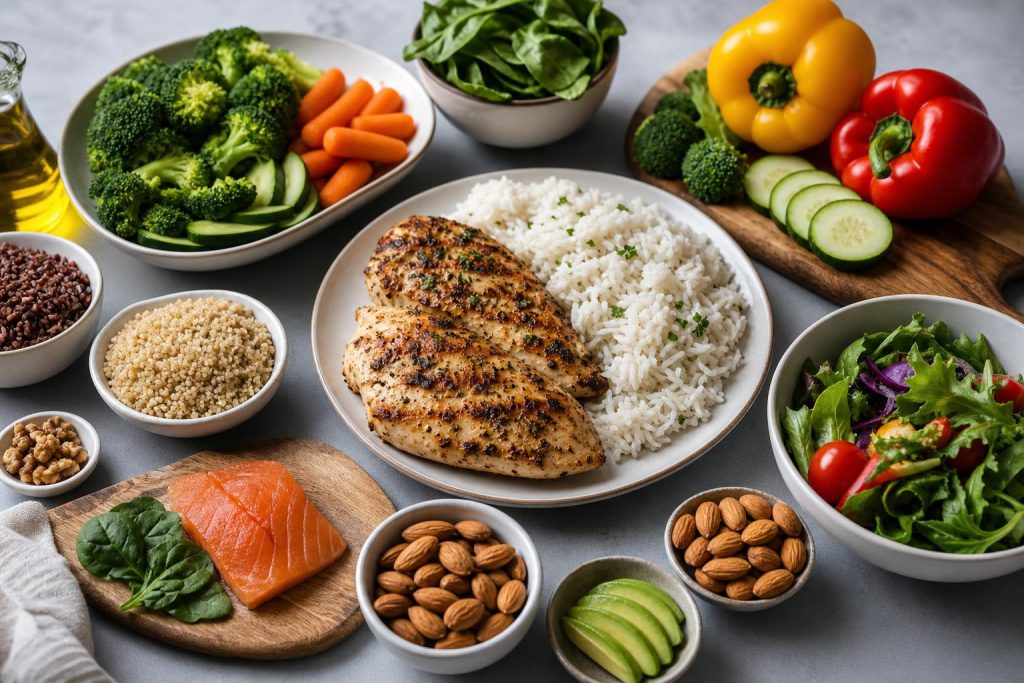
The solution is non-negotiable: protein has to be your nutritional anchor. Aim for a minimum of 0.7 to 1.0 grams of protein per pound of bodyweight daily — and if you’re actively training, push toward the higher end. That means a 200-pound man needs somewhere between 140 and 200 grams of protein every single day, regardless of whether he’s hungry. When appetite is suppressed, you have to eat intentionally and strategically, not reactively. Prioritize protein at every meal before anything else hits your plate. Chicken breast, lean ground beef, eggs, Greek yogurt, cottage cheese, whey protein, and fatty fish like salmon and sardines are your highest-leverage options. They’re protein-dense, satiating, and provide micronutrients that support hormonal health and recovery.
Leucine deserves particular attention. It’s the amino acid most responsible for triggering muscle protein synthesis, and research consistently shows it needs to hit a threshold — roughly 2.5 to 3 grams per meal — to maximally stimulate muscle building. Animal proteins, whey in particular, are rich in leucine. If you’re eating smaller meals due to tirzepatide-induced satiety, make sure those meals are concentrated enough in high-quality protein to cross that leucine threshold rather than spreading inadequate protein across too many small servings.
Calories, Carbohydrates, and the Fat You Actually Need
With protein established as the foundation, the next question is total caloric intake and macronutrient balance. Tirzepatide will naturally push your calories down — often dramatically in the early weeks. Rather than letting the drug dictate your intake by default, set an intentional floor. Most men on tirzepatide should target no less than 1,600 to 1,800 calories daily, even if appetite suggests you could get by on far less. Dropping significantly below this range for extended periods accelerates muscle loss, slows thyroid output, tanks testosterone, and makes the medication harder to sustain long-term.
Carbohydrates are where individual variation matters most, and tirzepatide actually gives you meaningful flexibility here. Because the drug improves insulin sensitivity and glucose disposal through its GIP receptor activity, many men find they can handle a moderate carbohydrate intake without the blood sugar volatility they might have experienced before. That said, the quality of carbohydrates matters enormously. Processed carbohydrates — refined grains, added sugars, sweetened beverages — will spike glucose, drive inflammation, and undermine the metabolic improvements the drug is working to create. The nausea and gastrointestinal side effects common with tirzepatide are also significantly worsened by high-fat, high-sugar meals. Men who report the worst GI side effects are frequently eating the worst foods.
The carbohydrates that serve you best on tirzepatide are slow-digesting, fiber-rich, and nutrient-dense: oats, sweet potatoes, brown rice, legumes, quinoa, and whole fruit. These sources provide sustained glucose without sharp insulin spikes, feed beneficial gut bacteria, and contribute to the fiber intake that supports the gut motility changes tirzepatide can cause. Aim for 25 to 40 grams of dietary fiber daily — this isn’t optional when you’re on a medication that slows gastric emptying. Without fiber, constipation becomes a real and ongoing issue.
Dietary fat should be present but not dominant. Fat is calorically dense, and with appetite suppressed, it’s easy to accidentally crowd out protein by filling up on fat-heavy foods. Focus on anti-inflammatory sources: olive oil, avocado, whole eggs, fatty fish, and nuts in reasonable portions. Saturated fat from quality animal sources — not processed meats — is acceptable in moderation. What you want to actively minimize is the combination of fat and refined carbohydrates together, which is the dietary pattern most strongly associated with metabolic dysfunction, visceral fat accumulation, and the kind of epicardial adiposity that research has directly linked to cardiac risk.
Meal Timing, Hydration, and Managing Side Effects Through Food Choices
On tirzepatide, the traditional advice of eating three large meals a day often doesn’t work. Most men do better with two or three smaller, protein-anchored meals spaced throughout the day. The goal isn’t intermittent fasting for its own sake — it’s aligning your eating structure with what your hunger signals and gastrointestinal tolerance will actually allow. Some men find a high-protein breakfast followed by a substantial lunch and a lighter dinner works well. Others prefer an early eating window that avoids food in the evening hours when GI discomfort tends to peak.
Hydration is chronically underemphasized in conversations about GLP-1 and dual agonist medications. Tirzepatide slows gastric emptying and can reduce thirst signals, which means dehydration sneaks up on men who aren’t paying attention. Aim for at least 80 to 100 ounces of water daily. Electrolyte intake matters here too — sodium, potassium, and magnesium are commonly depleted when calories and food volume drop significantly. A quality electrolyte supplement or simply salting food to taste and eating potassium-rich foods like avocado, bananas, and leafy greens helps prevent the fatigue, cramping, and headaches that many men incorrectly attribute to the medication itself.
Alcohol deserves a direct mention: tirzepatide changes how alcohol is processed and tolerated. Many men report becoming significantly more sensitive to alcohol’s effects, and drinking on the medication increases the risk of nausea and GI upset. Beyond tolerability, alcohol is empty calories that displace protein, disrupts sleep quality, raises cortisol, and suppresses testosterone — none of which support your goals. If you drink, do so rarely and in small quantities, and never use alcohol to manage the appetite suppression or stress that sometimes accompanies a major dietary shift.
Foods to actively limit or avoid on tirzepatide aren’t complicated: ultra-processed foods, fried foods, high-fat fast food, sweetened beverages, alcohol, and large portions of refined carbohydrates. These aren’t just empty calories — they’re the specific dietary patterns most likely to trigger the nausea, vomiting, and reflux that lead men to stop the medication prematurely. The drug works best when the diet underneath it is clean, structured, and protein-forward.
One practical habit worth building: eat slowly and stop before you feel full. Tirzepatide delays the gastric emptying process, which means your stomach fills faster than your body signals satiety. Eating quickly, overeating at a single sitting, or consuming large volumes of food at once — even healthy food — can result in significant discomfort. Smaller bites, thorough chewing, and pausing between portions isn’t just manners; on this medication, it’s metabolic strategy.
The Takeaway
Tirzepatide is a genuinely powerful tool for metabolic health. The science confirming its effects on cardiac fat depots, insulin sensitivity, and body composition is compelling and growing. But the men who get the most from it are the ones who treat the medication as a lever — not a solution. A protein-first diet built around whole foods, sufficient calories to preserve muscle, fiber-rich carbohydrates, and strategic hydration turns a strong drug into a transformative metabolic reset. Skip the nutritional structure and you risk losing muscle, worsening GI side effects, and eventually regaining everything you lost. Build the diet right, and tirzepatide gives you a metabolic foundation that can carry you well beyond the medication itself.
Scientific References
-
Malavazos, Iacobellis, Dozio et al. (2023).
Human epicardial adipose tissue expresses glucose-dependent insulinotropic polypeptide, glucagon, and glucagon-like peptide-1 receptors as potential targets of pleiotropic therapies..
European journal of preventive cardiology.
View on PubMed →