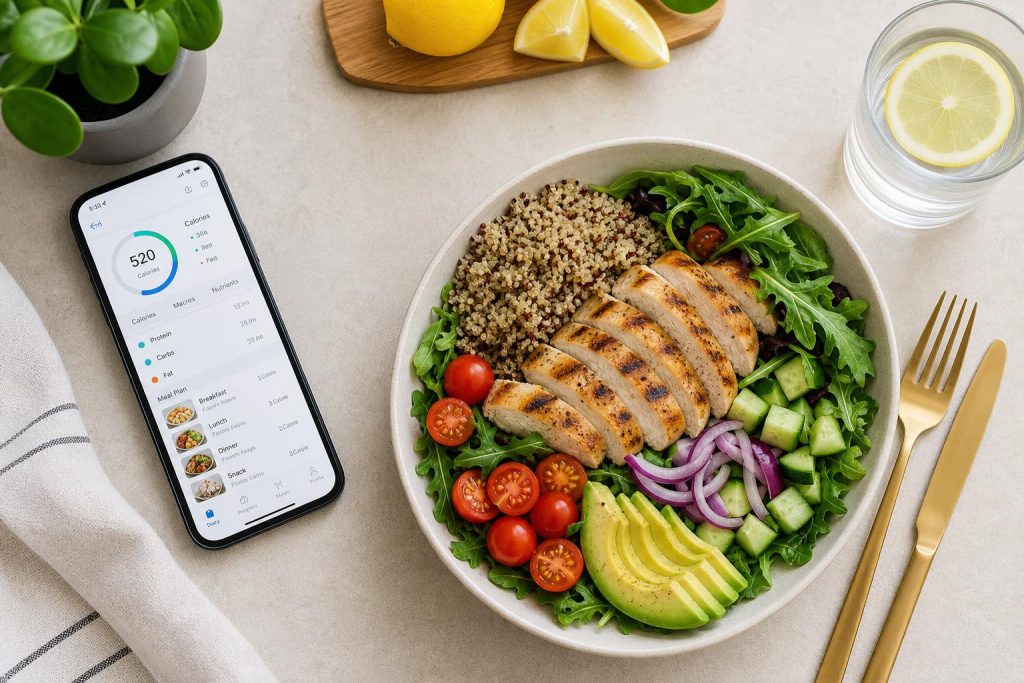
GLP-1 receptor agonists like semaglutide and tirzepatide have changed the landscape of metabolic health — but the medication alone isn’t the whole story. How you eat while on these drugs determines whether you lose fat and preserve muscle, or simply lose weight and end up weaker on the other side. A smart GLP-1 meal planner isn’t just about eating less. It’s about eating right, with intention, given the very specific way these medications alter your appetite, digestion, and nutrient needs.
What GLP-1 Medications Actually Do to Your Appetite and Digestion
GLP-1 receptor agonists work by mimicking the glucagon-like peptide-1 hormone, which slows gastric emptying, reduces appetite, and blunts postprandial glucose spikes. The result is that most men on these medications feel full faster, stay full longer, and find it genuinely difficult to eat large portions. That’s the mechanism — and it’s also the trap. When your appetite is dramatically suppressed, it becomes dangerously easy to under-eat protein, skimp on micronutrients, and let your diet devolve into whatever small amount of food is tolerable rather than what’s strategically optimal. Research on combined GLP-1 and insulin therapy underscores how meal timing and composition directly affect postprandial glucose control — a principle that applies equally to GLP-1 users managing blood sugar through diet alone.
The slowed gastric emptying that makes GLP-1 medications so effective at reducing hunger also means certain foods can cause nausea, bloating, and discomfort. High-fat, greasy meals sit in the stomach longer and amplify these side effects. Carbonated drinks, large portions eaten quickly, and ultra-processed foods all compound the GI distress that many men experience, especially in the first several weeks. Your meal plan needs to account for this physiological reality — not work against it.
Building a GLP-1 Meal Plan That Actually Works
The foundation of any effective GLP-1 meal plan is protein — and most men aren’t eating enough of it. When you’re in a significant caloric deficit driven by appetite suppression, muscle tissue becomes vulnerable. Aiming for at least 0.7 to 1 gram of protein per pound of bodyweight daily is a reasonable target, but with reduced appetite, hitting that number requires planning every meal around a protein anchor first. Eggs, Greek yogurt, cottage cheese, chicken breast, lean beef, salmon, and whey protein are all practical choices that are easy to tolerate in smaller portions.
Structure your eating around two to three meals per day rather than grazing. Because GLP-1 medications already suppress appetite significantly, trying to hit five or six small meals often backfires — you end up eating less overall and failing to hit protein or caloric minimums. Start each meal with your protein source, then fill in with fiber-rich vegetables, and add complex carbohydrates like rice, oats, or sweet potato based on your activity level. Keep fats moderate and avoid high-fat, high-calorie foods that will exacerbate nausea and make your stomach feel like a rock.
Hydration matters more than most men realize on GLP-1 therapy. The appetite suppression extends to thirst in some cases, and dehydration can worsen fatigue, headaches, and constipation — all common side effects. Aim for consistent water intake throughout the day, and consider electrolyte supplementation if you’re training regularly. Sodium, potassium, and magnesium all get depleted faster in a caloric deficit, and deficiencies will tank your performance and recovery.
If you’re using GLP-1 medications and also training — which you absolutely should be — your carbohydrate needs around workouts shouldn’t be ignored in the name of eating as little as possible. A small pre-workout meal or post-workout shake with carbohydrates and protein supports muscle protein synthesis and glycogen replenishment without overwhelming a suppressed appetite. This is where strategic eating becomes a genuine performance advantage rather than just a weight loss tactic.
The Takeaway
A GLP-1 meal planner isn’t a restriction plan — it’s a precision tool. The medication handles appetite suppression. Your job is to make every calorie count by prioritizing protein, choosing foods that sit well with a slower digestive system, and staying consistent with hydration and meal timing. Men who build a deliberate eating structure around their GLP-1 therapy lose more fat, preserve more muscle, and feel significantly better than those who simply eat whatever their diminished appetite allows. The drug creates the window. Smart nutrition determines what you build inside it.
Scientific References
-
Silver, Ramaiya, Andrew et al. (2018).
EADSG Guidelines: Insulin Therapy in Diabetes..
Diabetes therapy : research, treatment and education of diabetes and related disorders.
View on PubMed →