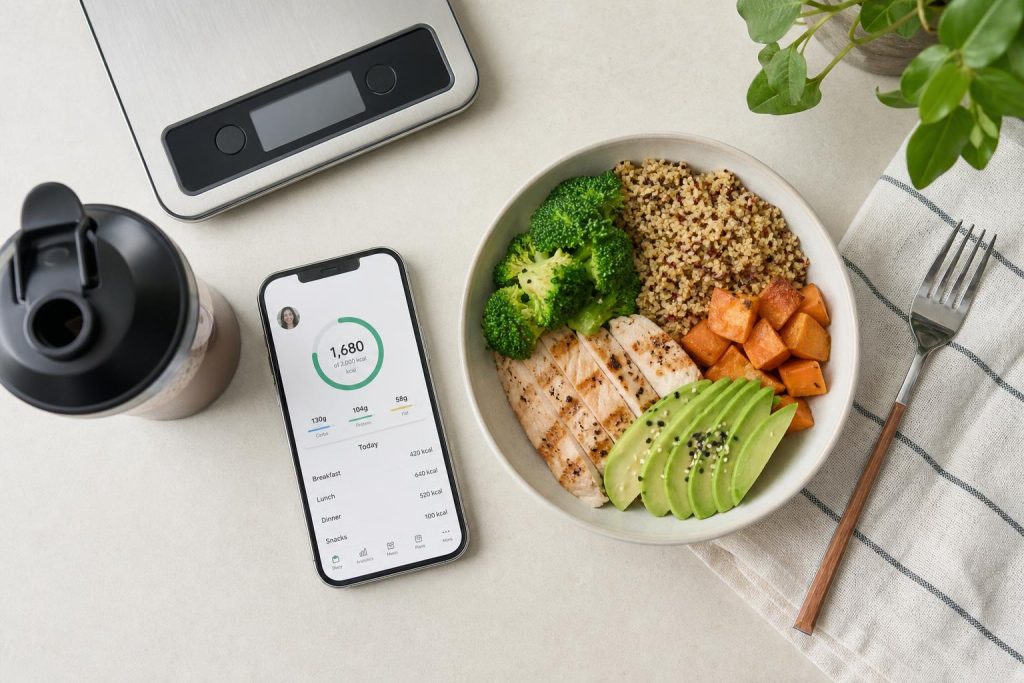
When researchers followed adults on semaglutide through a 68-week trial, they found something that should concern anyone focused on body composition: a significant portion of the weight lost wasn’t fat — it was lean mass. Data from the STEP 1 trial showed that participants lost roughly 40% of their total weight loss from lean tissue, including muscle. That’s not a small rounding error. That’s a meaningful hit to your metabolism, your strength, and your long-term ability to keep the weight off. The fix, according to the science, starts with protein — and for most men eating substantially less on Wegovy, a well-chosen protein shake may be one of the most strategically important tools in your stack.
This isn’t just a GLP-1 story, either. Any man in a meaningful calorie deficit — whether through medication, intermittent fasting, or sheer dietary discipline — faces the same biological challenge. Cut calories aggressively without prioritizing protein and resistance training, and your body will cannibalize muscle to meet its energy demands. The mechanisms don’t care whether semaglutide suppressed your appetite or your own willpower did. The math is the same.
Why Protein Intake Becomes Critical When Appetite Drops
Wegovy works primarily by activating GLP-1 receptors, which slow gastric emptying, reduce appetite signaling, and create a powerful sense of fullness that most users describe as unprecedented. The result is dramatic calorie reduction — often 30 to 50 percent below maintenance without any conscious effort. That’s the drug doing exactly what it’s supposed to do. But here’s the metabolic problem: when total food intake falls that sharply, protein intake typically crashes alongside everything else, often to levels far below what a man needs to preserve lean mass.
The research on protein and muscle preservation during a deficit is unambiguous. A systematic review published in the Journal of the American College of Nutrition confirmed that higher protein intakes during caloric restriction are consistently associated with greater fat loss and better preservation of lean body mass compared to standard protein intakes. The current evidence-based target for men in a deficit — particularly those doing any form of resistance training — sits between 1.6 and 2.4 grams of protein per kilogram of body weight per day. For a 200-pound man, that’s roughly 145 to 218 grams of protein daily. On Wegovy, hitting that target from whole food alone becomes genuinely difficult when your appetite signals are telling you to stop eating after half a chicken breast.
This is where protein shakes earn their place — not as a magic supplement, but as a practical delivery mechanism for a macronutrient your body desperately needs. A high-quality whey protein isolate or blend typically delivers 25 to 30 grams of protein in 150 to 200 calories with minimal fat and carbohydrates, and it’s digestible in a way that doesn’t provoke the bloating or discomfort that many GLP-1 users experience with large solid-food meals. Research has shown that whey protein specifically stimulates muscle protein synthesis more effectively than other protein sources due to its leucine content and rapid absorption kinetics — making it particularly valuable in a context where total food volume is compressed.
Choosing the Right Protein Shake and Timing It Intelligently
Not all protein shakes are created equally, and this matters more when your total calorie budget is tight. For men on Wegovy or in any aggressive cut, the priority is a product with a high protein-to-calorie ratio, minimal added sugars, and a clean ingredient profile. Whey protein isolate fits this profile well — it’s the most rapidly absorbed, highest in leucine, and typically the lowest in lactose, which reduces the GI discomfort that some GLP-1 users report. For men who are dairy-free or prefer plant-based options, a blended pea and rice protein product offers a complete amino acid profile and has shown comparable muscle protein synthesis responses in some trials.
Timing isn’t mandatory in the rigid way bro-science once insisted, but it does matter in a practical sense. A landmark meta-analysis in the Journal of the International Society of Sports Nutrition found that protein distribution across the day — specifically consuming adequate protein in multiple feedings — is more important than any narrow post-workout window. For a man on Wegovy who may only comfortably eat two smaller meals, spacing a protein shake as a third intake event — perhaps mid-morning or post-training — helps distribute amino acid availability across the day and keeps muscle protein synthesis elevated more consistently than two large feeds alone.
Post-workout consumption remains a logical choice regardless of timing theology, simply because resistance training creates an anabolic window of elevated muscle protein synthesis that dietary protein amplifies. If you’re lifting — and you absolutely should be while in a deficit — a 25 to 35 gram protein shake within two hours of your session is a straightforward and evidence-supported habit. Add a small amount of creatine monohydrate (3 to 5 grams daily) to that same shake and research suggests you further augment lean mass retention during periods of energy restriction — a genuinely underutilized strategy among GLP-1 users.
One practical note for men specifically on semaglutide: gastric emptying is slowed, which means large, thick shakes can feel heavy and uncomfortable. Mixing a protein powder with water rather than milk, keeping the shake volume modest, and avoiding shakes immediately before or after eating a full meal will minimize GI side effects. Some men do better with protein mixed into a small amount of Greek yogurt or stirred into coffee rather than consumed as a traditional shake — the delivery vehicle matters less than the protein actually getting consumed.
It’s also worth addressing what protein shakes cannot do. They don’t build muscle on their own. Without progressive resistance training as the stimulus for muscle protein synthesis, dietary protein — from shakes or steak — is largely oxidized for energy rather than deposited into contractile tissue. The non-negotiable pairing is lifting and protein. Wegovy or no Wegovy, that equation doesn’t change. Men who pair their semaglutide prescription with three to four weekly resistance training sessions and deliberate protein intake consistently outperform those who rely on appetite suppression alone, both in body composition and in weight maintenance after medication discontinuation.
The Takeaway
Protein shakes on Wegovy aren’t optional if muscle preservation matters to you — and it should, both aesthetically and metabolically. Every pound of muscle you retain during a fat loss phase is a pound of metabolically active tissue that makes the next phase easier. The strategy is straightforward: target 1.6 to 2.4 grams of protein per kilogram of body weight daily, use a high-quality protein powder to bridge the gap between what your appetite allows and what your physiology requires, lift weights consistently, and treat the medication as the calorie-management tool it is — not a replacement for the fundamentals that have always driven results. The men who come out of this process stronger aren’t just lucky. They’re deliberate.