Here’s something the wellness industry doesn’t advertise: the medication alone won’t save you. A landmark study published in The New England Journal of Medicine found that semaglutide produced meaningful weight loss — but participants who combined the drug with structured lifestyle intervention lost significantly more body fat and preserved more lean mass than those who relied on the medication alone. The data is unambiguous. What you eat still matters enormously, whether you’re on a GLP-1 receptor agonist or not.
If you’ve been searching for a GLP-1 meal plan PDF to download, what you’re really looking for is structure — a clear, science-backed framework that tells you exactly what to eat, when to eat it, and how much of it to have. That’s the right instinct. But a generic PDF isn’t going to cut it. What follows is something more valuable: the actual nutritional logic behind an optimized eating plan for men using GLP-1 medications, and a blueprint you can use to build your own — or adapt to any fat-loss approach you’re currently following.
Why Nutrition Strategy Matters More on GLP-1 — And in General
GLP-1 receptor agonists like semaglutide and tirzepatide work primarily by suppressing appetite and slowing gastric emptying. The result is that most men eat significantly less — sometimes dramatically less — than they did before. That sounds ideal for weight loss, and it is. But it creates a serious problem: when total caloric intake drops sharply, so does your protein intake, your micronutrient density, and your ability to preserve muscle mass.
Research published in Obesity confirmed that a substantial portion of weight lost on GLP-1 medications can come from lean muscle tissue — not just fat — if dietary protein and resistance training aren’t prioritized. For men specifically, losing muscle accelerates metabolic slowdown, weakens strength, and undermines long-term body composition. This is the core nutritional challenge that a well-designed meal plan must solve.
The solution isn’t complicated, but it does require intention. The goal is to make every calorie count by prioritizing protein first, then fiber-rich vegetables, then complex carbohydrates and healthy fats. This approach — sometimes called protein-sparing modified feeding when taken to an extreme — works across the board. Whether you’re on a GLP-1, doing intermittent fasting, running a traditional caloric deficit, or following a low-carb protocol, the hierarchy remains the same.
For men on GLP-1 medications, the practical target is a minimum of 1.2 to 1.6 grams of protein per kilogram of body weight per day, based on position statements from the International Society of Sports Nutrition. If you’re eating fewer meals due to reduced appetite, that means each meal needs to carry a heavier protein load — think 40 to 50 grams of protein per sitting rather than spreading 20 grams across five meals you’re no longer hungry enough to eat.
What a Smart Daily Meal Structure Actually Looks Like
A practical GLP-1-optimized day — or any high-protein fat-loss day — doesn’t require exotic ingredients or meal prep marathons. It requires consistency across three core meals anchored by protein sources your body can actually use efficiently.
Start the day with something substantial that front-loads protein. Four to five eggs scrambled with spinach and a side of Greek yogurt delivers roughly 45 grams of protein, along with leucine — the amino acid most responsible for triggering muscle protein synthesis. Research consistently shows that leucine-rich meals are more effective at protecting muscle during caloric restriction than lower-quality protein sources of equal caloric value.
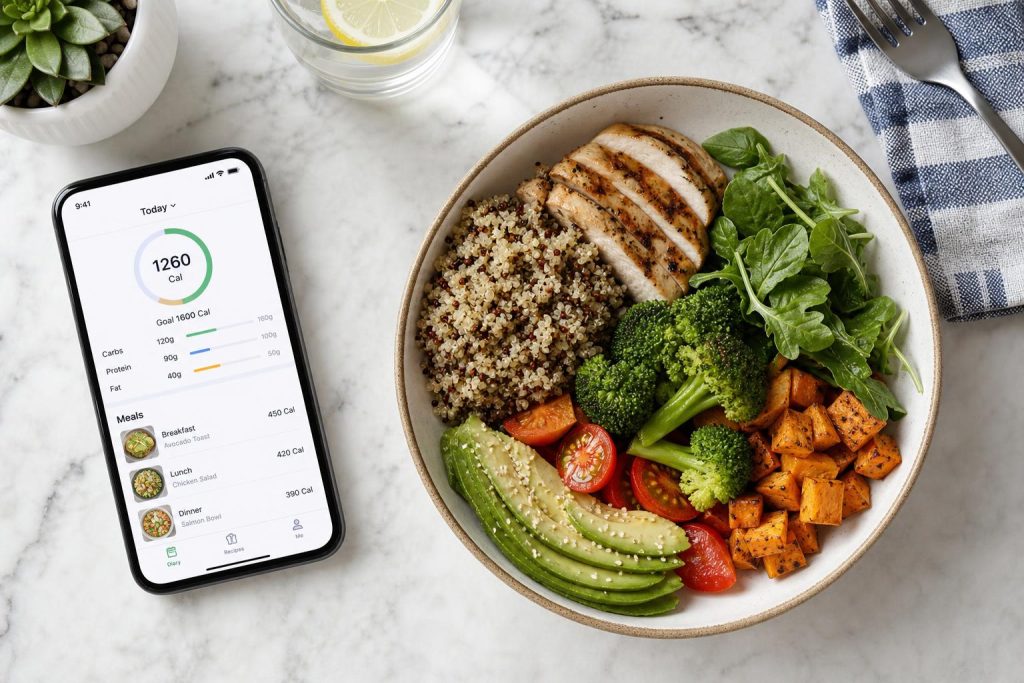
Midday should center on a lean protein — grilled chicken breast, canned salmon, or a ground turkey bowl — alongside a large serving of non-starchy vegetables and a modest portion of complex carbohydrates like quinoa, sweet potato, or legumes. Men on GLP-1 medications often find their appetite has returned slightly by midday, making this the ideal window for the most nutrient-dense meal of the day.
The evening meal follows the same template: a quality protein source, vegetables, and enough dietary fat from sources like olive oil, avocado, or fatty fish to support hormone production and satiety. Testosterone synthesis depends on dietary fat intake, and studies in men have shown that very low-fat diets are associated with meaningful reductions in testosterone levels — something no man on a fat-loss plan wants to trigger.
Hydration deserves special mention for GLP-1 users. Because gastric emptying slows, some men experience early fullness after drinking water with meals. Sipping fluids between meals rather than with them can reduce this discomfort while maintaining adequate hydration — roughly 3 to 4 liters of water per day for active men.
If you want to put this in a format you can print and follow, the structure is simple: protein anchor, vegetable volume, smart carbohydrate, healthy fat. Three meals. Track protein. Adjust portions based on hunger and scale response weekly. That’s your PDF.
The Takeaway
No downloadable PDF is going to outperform a plan you actually understand and can adapt in real time. GLP-1 medications are a powerful metabolic tool, but they work best when nutrition does its job alongside them — and for men who aren’t on GLP-1 at all, these same principles apply with equal force. Prioritize protein, protect your muscle, eat foods that earn their place on your plate, and give the structure enough time to show results. That’s not a trend. That’s what the research actually supports.