Nausea is one of the most common reasons men reduce their tirzepatide dose, pause their protocol, or abandon the medication entirely. It’s also, in most cases, entirely manageable — if you know what to eat and when. The stakes matter here. A 2026 case report in the Journal of Eating Disorders documented starvation ketosis in a tirzepatide user whose appetite suppression became so severe that caloric intake collapsed — resulting in emergency admission, elevated ketones, and serious metabolic disruption. That’s an extreme case, but it illustrates a real risk: when nausea kills your appetite and you simply stop eating, your metabolism pays the price.
The goal on tirzepatide isn’t to eat as little as possible. It’s to eat smarter — enough to fuel muscle retention, metabolic function, and daily performance, even when your stomach is telling you to skip another meal.
Why Tirzepatide Makes You Nauseous in the First Place
Tirzepatide works as a dual GIP and GLP-1 receptor agonist, which means it slows gastric emptying — the rate at which food moves from your stomach into your small intestine. This is largely responsible for its appetite-suppressing and blood sugar-stabilizing effects, but it’s also the direct mechanism behind nausea. When your stomach empties slowly, food sits longer. Pair that with certain foods — particularly fatty, fried, or spicy meals — and you’ve created a recipe for genuine discomfort. The nausea is physiological, not psychological, and it tends to be worst in the first few weeks after initiating or increasing your dose.
The practical implication: the foods that you ate without issue before tirzepatide may now feel unbearable. A greasy burger, a cream-heavy pasta, even a large protein shake with whole milk can trigger significant nausea when gastric motility is suppressed. This isn’t a sign the medication isn’t working — it’s a sign you need to restructure what and how you eat around your new physiology.
The Foods That Actually Work When Nausea Hits
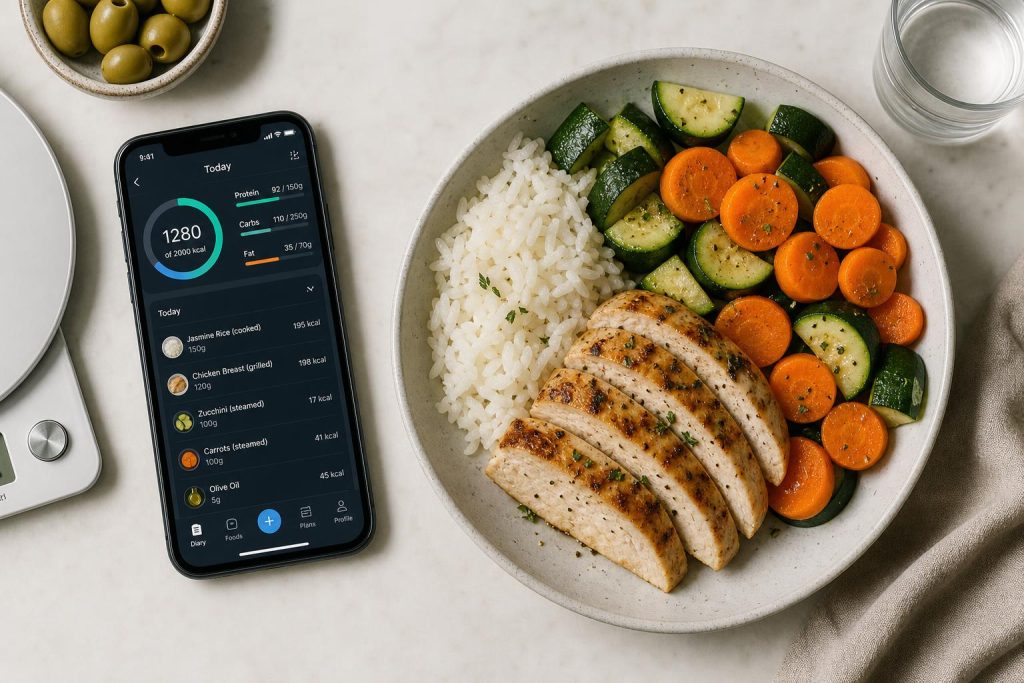
When nausea is active, your first priority is keeping something down. Bland, low-fat, easily digestible foods are your best allies here. Think plain rice, oatmeal cooked with water, scrambled eggs, boiled chicken breast, plain Greek yogurt, bananas, saltine crackers, or broth-based soups. These foods move through a sluggish digestive system more efficiently and are far less likely to trigger or worsen nausea than high-fat or high-fiber alternatives.
Protein still matters — arguably more than ever. When your total caloric intake drops sharply due to suppressed appetite, the body is at heightened risk of cannibalizing lean muscle for fuel. Aim to prioritize protein at every small meal or snack, even if the portions feel modest. Cottage cheese, plain Greek yogurt, egg whites, canned tuna in water, or a simple whey isolate mixed with water (not milk) are all reasonable options that are low in fat and easy to tolerate. If solid food feels impossible, a small protein shake with water and a banana can keep your amino acid intake from bottoming out entirely.
Meal size matters as much as meal composition. Since gastric emptying is slowed, large meals create a backlog that amplifies nausea. Eating smaller portions every three to four hours — rather than trying to hit your daily targets in two or three big sittings — gives your stomach the time it needs to process food without becoming overwhelmed. Cold or room-temperature foods are also often better tolerated than hot meals, which can intensify nausea for some men.
Hydration is a separate but critical issue. Nausea often comes with reduced fluid intake, and dehydration compounds the problem. Sipping water steadily throughout the day — rather than drinking large amounts at once — tends to be better tolerated. Electrolyte drinks or broths can help if you’ve experienced vomiting. Avoid carbonated beverages, alcohol, and caffeine-heavy drinks during active nausea phases, as these can irritate the gastric lining further.
Foods to actively avoid when nausea is present: fried foods, anything high in saturated fat, spicy dishes, cruciferous vegetables in large quantities (broccoli, cauliflower, Brussels sprouts), and overly sweet or rich foods. These either slow gastric emptying further, produce excess gas, or directly irritate an already-sensitive stomach.
What This Means For You
Nausea on tirzepatide is common, manageable, and temporary for most men — but it demands a deliberate adjustment to how you eat, not an excuse to stop eating altogether. Keep portions small and frequent. Lead with protein at every opportunity. Choose bland, low-fat, easily digestible foods when your stomach is unsettled. And take the warning from the research seriously: when caloric intake collapses completely, the metabolic consequences are real. Eating less is one of tirzepatide’s benefits. Eating nothing is a risk you don’t want to take.
Scientific References
-
Yasui-Furukori, Tasaki, Kaiga et al. (2026).
Starvation ketosis following self-administered tirzepatide obtained via online services in a young woman later diagnosed with anorexia nervosa: a case report..
Journal of eating disorders.
View on PubMed →