When researchers published findings in Cell Metabolism earlier this year, they confirmed something many clinicians had suspected but couldn’t yet prove: tirzepatide doesn’t just suppress appetite — it fundamentally shifts how your body burns fuel. The study by Ravussin, Sanchez-Delgado, Martin and colleagues found that tirzepatide increased fat oxidation and reduced calorie intake during ad libitum test meals, while appearing to buffer the metabolic adaptation that typically punishes people who diet aggressively. In plain terms: the medication pushes your body toward burning fat more efficiently, and it reduces the metabolic slowdown that usually comes with caloric restriction. That’s a meaningful edge — but only if your nutrition strategy is built to take advantage of it.
This isn’t a passive drug. Tirzepatide, a dual GIP and GLP-1 receptor agonist, creates a metabolic environment where the right food choices can dramatically accelerate your results. The wrong ones can blunt them entirely. Whether you’ve just started your first injection or you’re several months in and wondering why the scale has stalled, what you eat on tirzepatide matters far more than most people realize.
What Tirzepatide Actually Does to Your Appetite and Metabolism
Understanding the mechanism helps you build a smarter plate. Tirzepatide works by activating both GLP-1 and GIP receptors, slowing gastric emptying, amplifying satiety signals, and improving insulin sensitivity. The result for most men is a dramatically reduced appetite — sometimes to the point where eating feels like a chore. That’s where the danger lies.
When appetite drops this significantly, many men undereat dramatically — surviving on 800 to 1,000 calories of low-quality food and wondering why they feel weak, fatigued, and are losing muscle along with fat. The 2025 Ravussin et al. research demonstrated increased fat oxidation on tirzepatide, which is exactly what you want — but fat oxidation requires adequate protein intake and resistance training stimulus to ensure your body is burning fat and not catabolizing lean mass. Appetite suppression without a structured plan is a recipe for body composition decline, not optimization.
The goal of a tirzepatide meal plan isn’t to eat as little as possible. It’s to eat strategically within a reduced calorie window — prioritizing protein, managing carbohydrate quality, and timing meals to work with the drug’s satiety effects rather than against them.
Building Your Tirzepatide Meal Plan: The Core Principles
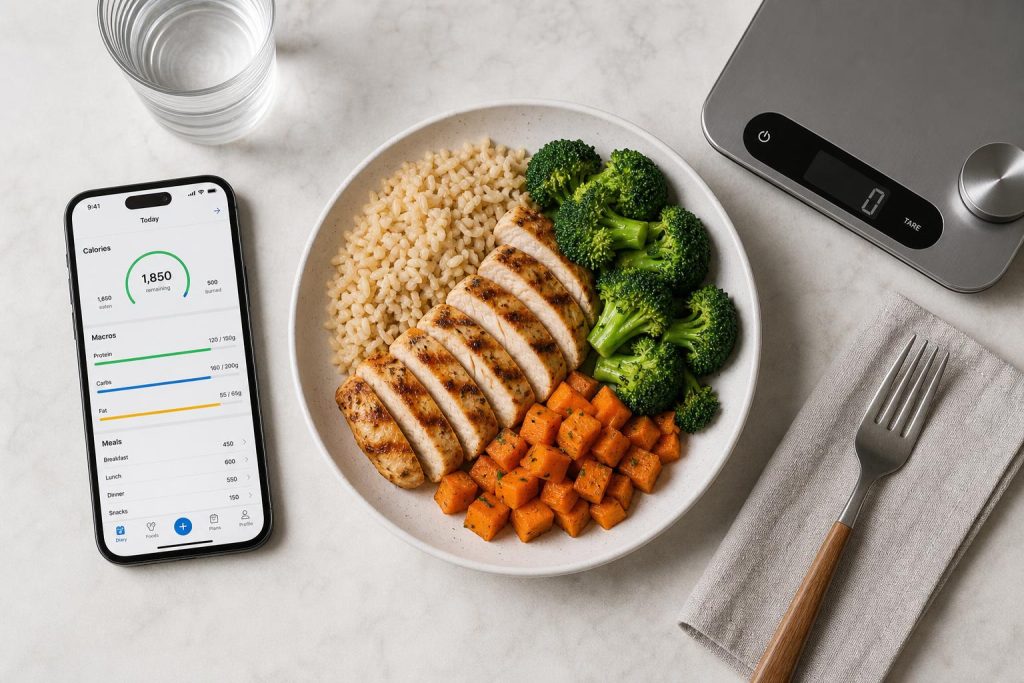
Protein is the non-negotiable anchor of every meal. On tirzepatide, most men should target between 150 and 200 grams of protein per day depending on body weight — roughly 0.8 to 1 gram per pound of goal bodyweight. This is higher than standard dietary recommendations because the caloric deficit created by appetite suppression significantly raises the risk of muscle loss. Lean proteins — chicken breast, eggs, Greek yogurt, cottage cheese, white fish, shrimp, and beef — should form the base of every meal you eat. When your appetite is suppressed and you can only eat once or twice, those meals need to be built around protein first, everything else second.
Carbohydrates aren’t the enemy on tirzepatide, but quality and timing matter. Because the medication improves insulin sensitivity, your body handles carbohydrates more efficiently than it may have before. That said, processed carbohydrates and sugary foods can still trigger cravings, disrupt satiety signals, and cause gastrointestinal distress — which is already a common side effect on tirzepatide. Stick to whole-food carbohydrate sources like oats, sweet potatoes, white rice, fruit, and legumes. These digest more slowly, maintain satiety, and pair well with the drug’s effects on gastric emptying. Aim to consume the majority of your carbohydrates around training sessions when your muscles are primed to absorb glucose rather than store it as fat.
Fat intake should be moderate and focused on quality. Because tirzepatide slows gastric emptying, high-fat meals can compound feelings of nausea or fullness to the point where you struggle to eat enough protein. Avocados, olive oil, nuts in small quantities, and fatty fish like salmon are excellent sources that support hormonal function without wrecking your stomach. Fried foods, heavy cream sauces, and anything high in saturated fat combined with refined carbohydrates should be largely eliminated — not because fat is inherently bad, but because these foods interact poorly with the medication’s gastrointestinal effects and offer minimal nutritional return.
Meal timing on tirzepatide often shifts naturally toward fewer, more intentional eating windows. Many men find that two to three meals per day feels more manageable than five or six. If that’s you, lean into it — but make those meals count. A breakfast anchored by eggs or Greek yogurt, a lunch built around a lean protein with vegetables and a carbohydrate source, and a dinner that mirrors that structure gives you a solid 150-plus grams of protein without requiring you to force food when you’re not hungry. Hydration is equally critical: the medication can contribute to dehydration, and inadequate fluid intake amplifies fatigue, constipation, and muscle cramping.
One practical note: some men find that injection days come with increased nausea. On those days, lighter meals — a protein shake, bone broth, soft scrambled eggs — are entirely appropriate. The priority is staying hydrated and getting some protein in, not hitting a perfect macro split. The following day usually brings a return to normal appetite tolerance.
The Takeaway
Tirzepatide creates a meaningful metabolic advantage — the science on fat oxidation and reduced caloric intake is real and significant. But the medication doesn’t build muscle for you, doesn’t choose your food for you, and doesn’t prevent the muscle loss that comes with aggressive undereating. The men who get the best results on tirzepatide treat the reduced appetite as a tool to eat better, not less. They anchor every meal around protein, keep carbohydrate sources clean and timed intelligently, manage fat intake to minimize GI side effects, and stay consistent with resistance training throughout their weight loss journey. The drug changes the game — your meal plan determines how you play it.
Scientific References
-
Ravussin, Sanchez-Delgado, Martin et al. (2025).
Tirzepatide did not impact metabolic adaptation in people with obesity, but increased fat oxidation..
Cell metabolism.
View on PubMed →