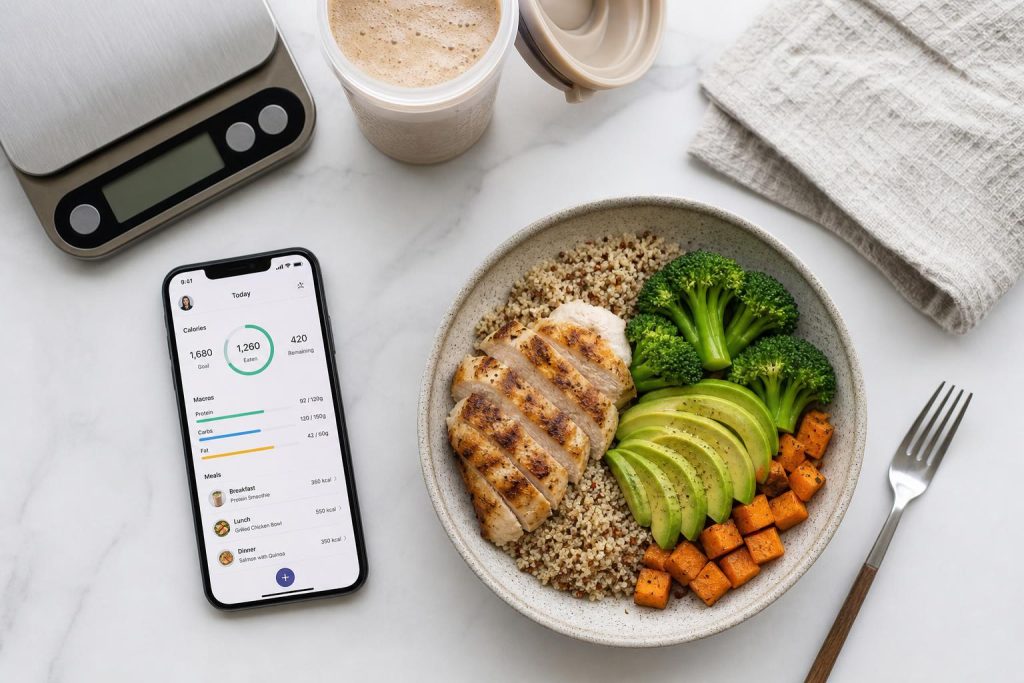
When semaglutide works, it works fast. Appetite drops, the scale moves, and men who’ve struggled for years with stubborn weight suddenly find themselves turning down food they once couldn’t resist. But buried inside that success story is a biological trap — one that a growing body of research is only now beginning to quantify. As caloric intake plummets on medications like Wegovy, so does the dietary protein that keeps muscle tissue alive. And without a deliberate strategy to close that gap, a significant portion of the weight you lose won’t be fat. It’ll be muscle.
This is where protein shakes enter the conversation — not as a marketing gimmick, but as a clinically relevant tool. A pilot study published in Current Developments in Nutrition examined whether a plant-based high-protein nutrition shake could improve protein intake, tolerance, and gastrointestinal comfort in adults on GLP-1 receptor agonist therapy — including both Ozempic and Wegovy users. The results were striking enough to warrant serious attention from anyone on semaglutide who cares about body composition. Across 20 participants, GI symptoms improved significantly within two hours of the first shake, and both protein and fiber intake increased meaningfully over seven days — without making nausea or bloating worse.
That’s not a minor finding. For men on Wegovy trying to navigate appetite suppression, muscle preservation, and the daily reality of eating far less than they used to, a well-designed protein shake isn’t optional. It may be one of the smartest decisions you make during the entire medication cycle.
Why Muscle Loss Is the Hidden Cost of Rapid Weight Loss on Wegovy
The weight loss Wegovy delivers is real. Clinical trials have shown that semaglutide at 2.4mg weekly can drive reductions of 15% or more in total body weight over 68 weeks. But the composition of that lost weight matters enormously for long-term health, metabolism, and physical function. Research consistently shows that during aggressive caloric restriction — particularly without adequate protein and resistance training — a meaningful portion of weight loss comes from lean mass, not just fat tissue.
The mechanism is straightforward. Muscle is metabolically expensive to maintain. When the body senses a sustained caloric deficit and low protein availability, it begins cannibalizing muscle tissue to meet its amino acid needs. This process accelerates with age, particularly in men over 40 whose anabolic signaling is already declining. Wegovy amplifies the caloric deficit dramatically, which means the muscle-preservation challenge becomes dramatically more urgent.
Protein requirements don’t decrease during weight loss — if anything, they increase. The consensus among sports nutrition researchers and metabolic health experts suggests that men in a caloric deficit who want to preserve lean mass should target somewhere between 1.6 and 2.2 grams of protein per kilogram of body weight daily. For a 200-pound man, that’s roughly 145 to 200 grams of protein per day. Now consider that Wegovy suppresses appetite so aggressively that many users struggle to consume even 1,000 to 1,400 calories a day — and the math becomes painfully clear. Getting adequate protein from whole foods alone, when eating feels like a chore, is genuinely difficult.
This is the nutritional gap that the Withrow et al. study was designed to address. Their plant-based high-protein nutrition shake intervention succeeded specifically because it delivered concentrated protein and fiber in a low-volume format — something a man with early satiety and mild nausea can actually consume. The implications extend beyond GLP-1 users: any man pursuing aggressive fat loss through diet alone faces the same muscle preservation equation and can benefit from the same solution.
Choosing the Right Protein Shake When Wegovy Is Suppressing Your Appetite
Not all protein shakes are built for this context. The typical gym-culture protein shake — high in calories, flavored aggressively, packed with artificial sweeteners and thickeners — can be a genuine problem for someone on Wegovy. The medication already slows gastric emptying, which is part of how it creates satiety signals. Adding a dense, hard-to-digest shake into that environment can worsen bloating, constipation, and nausea rather than relieve them.
The study authors specifically designed their intervention around a plant-based formula, and there are good physiological reasons for that choice. Plant proteins — particularly blends that combine pea, brown rice, and hemp — tend to be easier on the gastrointestinal tract than whey-heavy formulas for many individuals. They also come naturally packaged with dietary fiber, which addresses one of the most common complaints among GLP-1 users: constipation caused by reduced food volume and slower gut motility. The study reported significant improvement in both abdominal bloating and constipation within just two hours of the first shake — a faster response than most users would expect.
That said, the choice between plant-based and whey protein isn’t black and white. Whey protein isolate — the most refined form of dairy-based protein — is rapidly absorbed, has an excellent amino acid profile including high leucine content, and is well-tolerated by many men who don’t have lactose sensitivity. If you’re tolerating whey well and your GI symptoms are mild, a clean whey isolate remains one of the most effective muscle-preservation tools available. The key variables to optimize regardless of protein source are digestibility, leucine content, and overall daily protein contribution.
What to look for in a protein shake when on Wegovy comes down to a few non-negotiable criteria. You want high protein density relative to serving volume — at least 20 to 30 grams of protein per serving without a massive calorie load. You want minimal artificial additives that could exacerbate GI irritation. If you’re experiencing significant constipation or slow digestion, a formula with 5 or more grams of dietary fiber becomes a genuine therapeutic advantage. And critically, you want something that actually tastes tolerable when food aversion is already a factor — because the best protein shake is the one you’ll actually drink.
Timing matters too. Rather than treating a protein shake as a meal replacement for one large sitting, men on Wegovy often do better distributing their protein intake across three to four smaller consumption windows throughout the day. This approach aligns with muscle protein synthesis research showing that leucine-triggered anabolic signaling is maximized by repeated smaller doses rather than one large protein bolus. A 25-gram shake in the morning, another between meals, and possibly a third in the evening can get you to meaningful daily protein targets without overwhelming a sensitive stomach.
What Else to Know About Wegovy, Nutrition, and Your Nervous System
Protecting muscle during Wegovy use requires understanding the full physiological picture — and that picture includes some neurological considerations that are easy to overlook. A 2025 pharmacovigilance analysis published in Scientific Reports examined the FDA Adverse Event Reporting System data from 2005 to 2024, identifying 19 distinct neurological adverse event signals associated with GLP-1 receptor agonists including semaglutide. Among the signals identified were dysgeusia (altered taste perception), parosmia (distorted smell), and lethargy — all of which can directly impact your relationship with food and your ability to maintain adequate nutrition.
The analysis found that the median time to onset of these neurological side effects was 32 days, with nearly half occurring within the first 30 days of treatment. This is exactly the window when men are most vulnerable nutritionally — appetite suppression is maximal, the body is adapting to the medication, and dietary habits are in flux. If you’re experiencing altered taste or smell during this early phase, the palatability of your food choices becomes a real clinical issue. A neutral-flavored or lightly flavored protein shake that doesn’t rely on taste appeal for consumption compliance becomes genuinely valuable here.
It’s worth being clear: the pharmacovigilance study documents associations, not confirmed causal relationships. The researchers themselves acknowledged the inherent limitations of adverse event reporting databases, including reporting bias and confounding factors. But the practical message is sound — men starting Wegovy should monitor neurological symptoms in the first month, report anything concerning to their prescribing physician, and have a nutritional contingency plan for periods when whole food consumption becomes difficult or unappealing.
Lethargy, which was among the identified signals, has its own nutritional dimension. Low protein intake contributes to muscle weakness and fatigue, and inadequate overall nutrition during rapid weight loss can compound the energy dips some users experience. Keeping protein intake consistent — even through a shake when you don’t feel like eating — helps stabilize blood amino acid levels, supports neurotransmitter synthesis, and can modestly contribute to sustained energy throughout the day. This isn’t a replacement for speaking with your doctor about medication side effects, but it is a component of a complete nutritional strategy.
Beyond protein, men on Wegovy and those pursuing aggressive caloric restriction through other means should pay attention to micronutrient adequacy. Eating less food inherently means consuming fewer vitamins and minerals, and certain nutrients — magnesium, B vitamins, zinc, and vitamin D — are particularly relevant to energy production, testosterone support, and muscle function. A high-quality protein shake that includes a partial micronutrient profile can help fill those gaps, though a dedicated multivitamin designed for men remains the more complete solution.
Resistance training remains the non-negotiable anchor for anyone trying to preserve muscle during weight loss — with or without medication. Protein supplementation is most effective when combined with mechanical stimulus to muscle tissue. If you’re on Wegovy and your energy is lower than usual, even two full-body resistance training sessions per week is sufficient to meaningfully preserve lean mass compared to cardio-only or sedentary approaches. The protein you consume will be directed toward muscle maintenance far more effectively when your muscles have been recently stimulated.
Hydration deserves a mention here as well. Wegovy’s effect on gastric motility, combined with reduced food volume, can reduce overall fluid intake — and dehydration compounds GI symptoms, contributes to fatigue, and impairs muscle function. Mixing your protein shake with water rather than milk adds to your daily fluid intake without adding digestive burden. Some men find that having their morning shake first thing — before any nausea or appetite suppression fully kicks in — is the most reliable strategy for consistent protein consumption.
The Takeaway
Wegovy is a powerful tool for weight loss, but it creates a nutritional environment that works against muscle preservation if left unmanaged. The research is clear: protein intake drops when appetite is suppressed, and muscle tissue pays the price. A clinically designed protein shake — particularly one that’s plant-based, high in protein, and fiber-rich — addresses that gap directly, improves GI tolerance, and makes consistent daily protein targets achievable even on days when eating feels genuinely difficult.
The 2026 Withrow et al. study showed that men and women on semaglutide therapy could not only tolerate a plant-based high-protein shake, but actually experienced fewer GI symptoms after consuming it. That flips the conventional assumption that protein shakes are a GI burden for this population. Combined with awareness of early neurological symptoms flagged in the FDA pharmacovigilance data — especially during the first month of treatment — a smart nutritional strategy that includes protein supplementation is one of the most practical steps you can take to come out of your Wegovy course leaner, stronger, and metabolically better off than when you started.
You’re not just trying to lose weight. You’re trying to build a better body. Protein shakes, used strategically, are one of the tools that helps you do exactly that.
Scientific References
-
Chen, Liu, Gao et al. (2025).
Pharmacovigilance analysis of neurological adverse events associated with GLP-1 receptor agonists based on the FDA Adverse Event Reporting System..
Scientific reports.
View on PubMed → -
Withrow, Hsueh, Wolever et al. (2026).
Plant-Based Nutrition Alleviates Gastrointestinal Symptoms and Enhances Protein Intake during GLP-1 Therapy..
Current developments in nutrition.
View on PubMed →