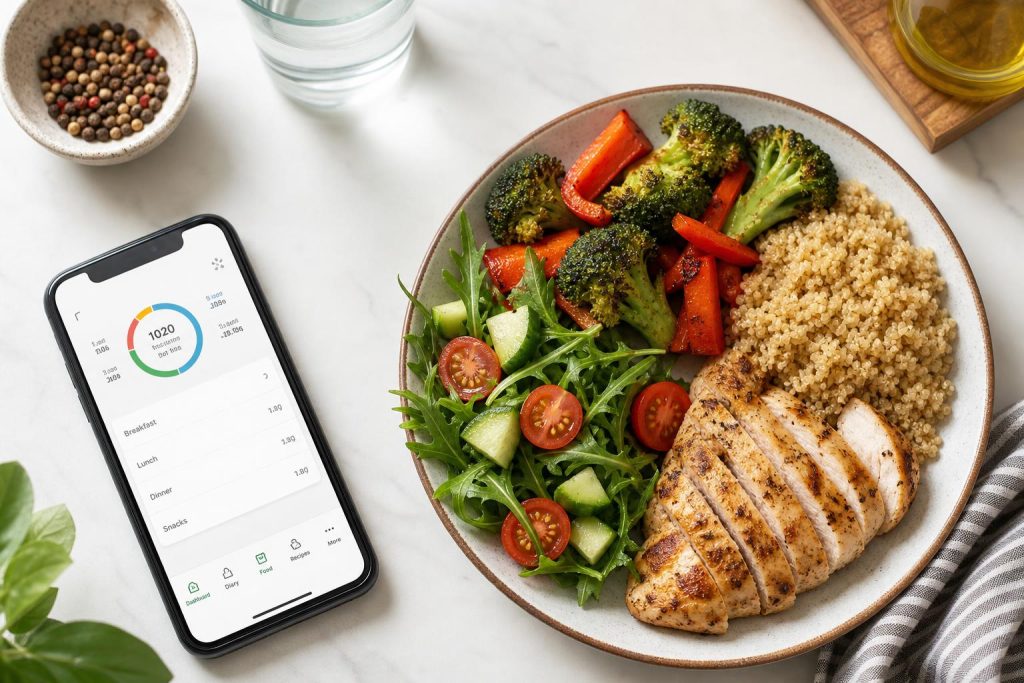
When researchers at the University of Liverpool studied what happened to food preferences in people taking GLP-1 receptor agonists, they found something striking: appetite suppression alone wasn’t enough. Patients who didn’t optimize what they ate alongside reduced hunger still lost significant muscle mass, experienced nutritional deficiencies, and plateaued faster than those who ate strategically. Research published in Obesity Reviews confirmed what metabolic clinicians have long suspected — the quality of calories consumed during a caloric deficit matters as much as the deficit itself. That principle applies whether you’re on a GLP-1 medication like semaglutide or tirzepatide, following a structured diet plan, or simply trying to eat better to support your training and body composition goals.
This isn’t just a guide for GLP-1 users. It’s a practical framework for any man who wants his meals to work harder — building or preserving muscle, supporting metabolic health, and keeping energy and hunger in check. GLP-1 medications are a tool, and like any tool, they’re only as effective as the foundation you build around them. The recipes and meal structures outlined here are designed around the same nutritional science that supports fat loss and muscle preservation regardless of how you got to the table.
The Nutritional Architecture That Actually Works
Before getting into specific meals, it’s worth understanding what your body actually needs during a phase of fat loss — whether medically assisted or not. The central challenge is this: you’re eating less, but your protein and micronutrient requirements don’t go down. In fact, during a caloric deficit, studies show that protein needs actually increase to preserve lean body mass. For men in a deficit, most research supports a target of 1.6 to 2.2 grams of protein per kilogram of bodyweight per day. If you’re sedentary, you can aim for the lower end. If you’re lifting, stay toward the top.
The second pillar is fiber. A landmark study in The Journal of Nutrition found that increasing dietary fiber independently improved weight loss outcomes and metabolic markers, even without other dietary changes. For men eating smaller portions — especially GLP-1 users dealing with early satiety — fiber-rich foods do double duty: they slow gastric emptying, stabilize blood glucose, and feed beneficial gut bacteria. Aim for 30 to 40 grams daily, pulling from vegetables, legumes, and whole grains rather than supplements when possible.
Third is meal composition. Research consistently shows that meals combining protein with fiber and moderate healthy fat produce the most stable postprandial glucose curves and the longest satiety windows. A 2015 study in Diabetes Care demonstrated that eating protein and vegetables before carbohydrates in the same meal significantly blunted glucose and insulin spikes — a simple sequencing trick that costs nothing and delivers measurable results. This is the architecture every meal in this plan is built around: protein first, vegetables prominent, carbohydrates present but controlled.
Practical Recipes Built for Real Results
These meals are designed to be simple enough to actually make on a Tuesday night, dense enough in nutrients to meet your daily targets with smaller volumes, and satisfying enough to prevent the snacking that derails most structured eating plans. Each one follows the framework above — high protein, high fiber, low glycemic load, and enough healthy fat to make the meal genuinely enjoyable.
Greek Yogurt Power Bowl (Breakfast): Combine 200 grams of full-fat Greek yogurt with a handful of mixed berries, one tablespoon of ground flaxseed, and a small scoop of unflavored or vanilla whey protein. Top with a light drizzle of raw honey and crushed walnuts. This delivers roughly 40 grams of protein, 8 grams of fiber, and a glycemic profile that keeps blood sugar flat for hours. The berries contribute polyphenols that have been shown to improve insulin sensitivity, making this more than just a convenient morning meal — it’s actively doing metabolic work.
Seared Salmon with White Bean Puree and Arugula (Lunch or Dinner): Season a 180-gram salmon fillet with smoked paprika, garlic, and lemon zest. Sear in a hot cast iron pan for three to four minutes per side. For the base, blend one can of white beans with two tablespoons of olive oil, a garlic clove, lemon juice, and a splash of water until smooth. Serve the salmon over the bean puree with a generous bed of arugula dressed in olive oil and red wine vinegar. Salmon provides omega-3 fatty acids — EPA and DHA — which research in Frontiers in Nutrition links to reduced inflammation and improved body composition outcomes. White beans contribute slow-digesting carbohydrates and approximately 12 grams of fiber per cup, making this a meal that punches well above its caloric weight.
Ground Turkey and Lentil Skillet (Dinner): Brown 400 grams of lean ground turkey in olive oil with diced onion, garlic, cumin, turmeric, and cinnamon. Add one cup of red lentils, one can of diced tomatoes, and two cups of low-sodium chicken broth. Simmer for 20 minutes until lentils are soft. Finish with fresh spinach and a squeeze of lemon. This one-pan meal delivers over 50 grams of protein per serving, nearly 18 grams of fiber, and a substantial dose of iron — a mineral many men in caloric deficits fall short on. The lentils are particularly valuable: clinical trials have confirmed their ability to lower LDL cholesterol and improve glycemic control, making them a genuinely therapeutic food rather than just cheap filler.
Egg White and Vegetable Frittata (Any Meal, Especially Post-Workout): Whisk eight egg whites with two whole eggs, then pour over a skillet loaded with sautéed mushrooms, bell peppers, cherry tomatoes, and baby spinach. Finish under the broiler for four to five minutes until set. Slice and serve with a side of sliced avocado. This meal is particularly well-suited for men managing reduced appetite — it’s volumetrically large, visually satisfying, but calorically modest. The combination of whole eggs and egg whites preserves leucine content, the amino acid most responsible for triggering muscle protein synthesis. Research from the University of Texas Medical Branch confirms that leucine threshold — typically around 2 to 3 grams per meal — must be hit for maximum anabolic signaling, which this frittata achieves comfortably.
Cottage Cheese and Chickpea Salad (Quick Lunch): Combine one cup of low-fat cottage cheese with half a can of rinsed chickpeas, diced cucumber, cherry tomatoes, red onion, fresh dill, and a generous squeeze of lemon. Season with black pepper and a small drizzle of extra virgin olive oil. Ready in under five minutes, this meal provides approximately 35 grams of protein and 10 grams of fiber. Cottage cheese is one of the best-kept secrets in body composition nutrition — its casein protein digests slowly, which research has shown results in significantly less muscle protein breakdown compared to faster-digesting protein sources, making it especially valuable at lunch or before bed.
Hydration deserves explicit mention here. Men on GLP-1 medications frequently underestimate their fluid intake because reduced appetite extends to beverages. But even men not on medication can chronically underhydrate, particularly during fat loss phases when glycogen stores — which hold water — are depleted. Studies show that even mild dehydration impairs metabolic rate and cognitive function. A practical approach: aim for at least 500ml of water 30 minutes before each major meal, and use electrolyte-rich foods like leafy greens, avocado, and salmon to support mineral balance without relying on processed sports drinks.
Meal timing also matters more than most men realize. While total daily protein is the highest priority, distributing it across three to four meals rather than concentrating it in one or two activates muscle protein synthesis more frequently throughout the day. A key study in The Journal of Nutrition demonstrated that an even distribution of protein across meals produced 25 percent greater muscle protein synthesis compared to a skewed distribution with the same total intake. For men using GLP-1 medications who may only feel genuinely hungry once or twice a day, this is a meaningful reason to eat small, protein-forward meals even when appetite isn’t demanding it.
What This Means For You
The meals above aren’t special. They don’t require exotic ingredients, complicated techniques, or a dedicated prep day — though batch cooking the lentil skillet or frittata on Sunday will make your week significantly easier. What they do require is intention. The difference between a meal plan that changes your body composition and one that merely reduces calories is the nutritional density packed into every bite. Protein preserved. Fiber prioritized. Glucose managed. These aren’t abstract principles — they’re the levers that determine whether you lose fat while staying strong or simply become a smaller, weaker version of yourself.
Whether you’re using a GLP-1 medication to assist appetite control, running a traditional caloric deficit through training and discipline, or somewhere in between, the food on your plate is the variable most within your control. Every meal is either building toward your goals or working against them. These recipes are built to work with your biology, not against it — and that’s a foundation worth returning to every single day.