Tirzepatide — sold under the brand name Mounjaro for type 2 diabetes and Zepbound for weight loss — has reshaped what’s possible for men pursuing serious fat loss. In the landmark SURMOUNT-1 trial, participants lost an average of 20.9% of their body weight over 72 weeks, a number that stunned the clinical world. But the medication doesn’t do the heavy lifting alone. What you eat — especially on injection day, when GI side effects are most likely and appetite suppression peaks — can determine whether you lose fat and preserve muscle or simply lose weight and feel terrible doing it.
Tirzepatide works through a dual mechanism, activating both GIP and GLP-1 receptors simultaneously. This combination slows gastric emptying, amplifies satiety signals, and improves insulin sensitivity in ways that a single-receptor agonist cannot. The practical consequence is that injection day often brings a distinct physiological state: reduced hunger, heightened nausea sensitivity, and a digestive system running in low gear. Eating the wrong foods on this day isn’t just uncomfortable — it can undermine your nutritional goals for the entire week.
Why Injection Day Nutrition Deserves Its Own Strategy
Most men on tirzepatide eventually learn through trial and error that certain foods become problematic after injecting. High-fat meals, carbonated beverages, and large portions can trigger nausea, reflux, or prolonged fullness that borders on painful. This happens because tirzepatide’s slowing effect on gastric emptying — a well-documented mechanism confirmed in pharmacodynamic studies of GLP-1 receptor agonists — means food sits in your stomach significantly longer than usual. A meal that would normally clear your stomach in four hours might take six or seven on injection day.
The goal isn’t to eat as little as possible because you feel suppressed. Under-eating chronically on a GLP-1 medication is one of the primary drivers of lean mass loss, a concern backed by research showing that rapid, large caloric deficits accelerate muscle catabolism even when total weight loss looks impressive on the scale. Instead, the goal is to eat strategically — enough protein, enough micronutrients, and foods that your digestive system can actually handle in its slowed state.
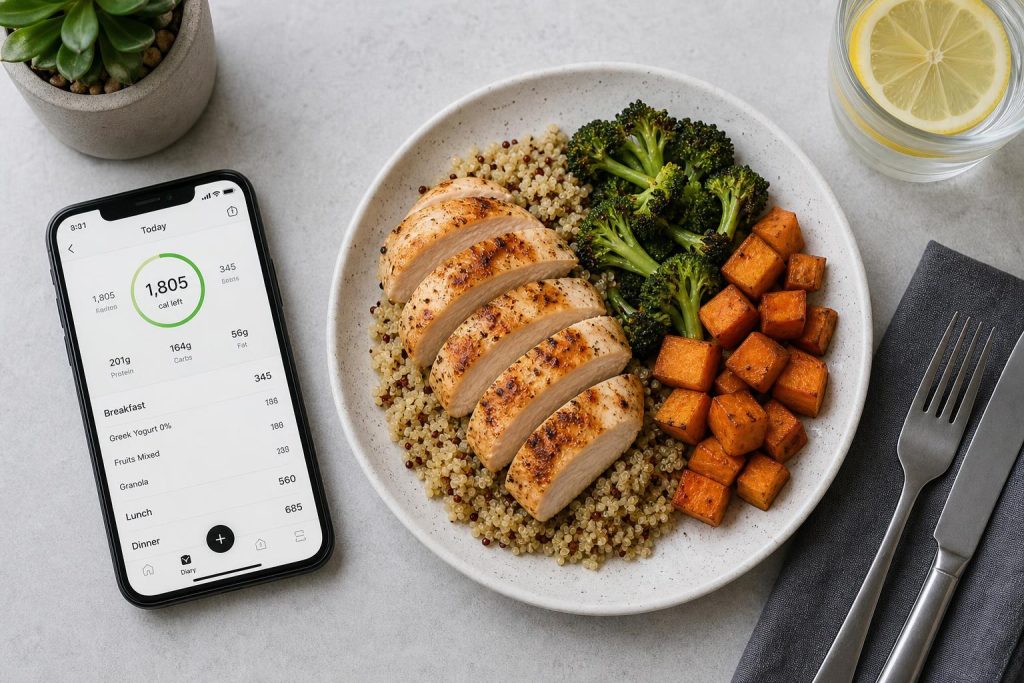
Protein remains the non-negotiable anchor. A 2022 meta-analysis published in the British Journal of Nutrition found that protein intakes of 1.2 to 1.6 grams per kilogram of body weight were effective at preserving lean mass during caloric restriction. On injection day, when appetite may be significantly blunted, hitting that target requires intentional food choices rather than eating by feel. Lean proteins — eggs, Greek yogurt, cottage cheese, white fish, chicken breast — are far easier to tolerate than fatty cuts of meat or heavily seasoned dishes. They digest more efficiently and deliver the amino acids your muscle tissue needs without overtaxing a sluggish GI tract.
The Foods That Work With Your Body on Injection Day
Think of injection day eating as a combination of medical nutrition therapy and performance nutrition. You are managing a physiological state while still trying to fuel a human body that needs to function, recover, and retain muscle. The foods that consistently work well share a few common traits: moderate to low fat content, easily digestible carbohydrate sources, high protein density, and relatively low fiber load — at least for the main meals closest to your injection window.
Eggs are an almost perfect injection-day food. They are rich in high-quality protein, contain all essential amino acids, and are gentle on the stomach. Research has consistently shown that egg protein has a digestibility-corrected amino acid score comparable to whey, making it one of the most bioavailable proteins available. A two or three-egg scramble with spinach and a slice of sourdough is the kind of meal that checks the protein box without triggering nausea.
White rice, oatmeal, boiled potatoes, and plain crackers are carbohydrate sources that move through a slowed digestive system with minimal friction. These are not exciting choices, but they serve a purpose. Pairing them with lean protein stabilizes blood glucose, prevents the energy crashes that come with eating too little, and gives the body something easy to work with. Heavily processed foods, fried items, and anything with a long list of additives are the opposite — they tend to sit heavily and frequently worsen nausea that might otherwise be mild.
Hydration deserves more attention than it typically receives in injection day conversations. Tirzepatide can cause reduced fluid intake simply because appetite suppression extends to thirst in some men. Mild dehydration has been shown to impair exercise performance, cognitive function, and metabolic rate, all of which matter if you are training while on a GLP-1 medication. Aim for water, electrolyte drinks without excessive sugar, or diluted fruit juice throughout the day. Sipping steadily rather than drinking large volumes at once is better tolerated when gastric emptying is delayed.
One area where men often make a significant error is alcohol. Even moderate alcohol consumption on injection day — a single beer or a glass of wine with dinner — can dramatically worsen nausea and disrupt the hormonal environment that tirzepatide is working to optimize. Alcohol suppresses glucagon-like peptide activity and impairs insulin sensitivity acutely, directly working against what the medication is trying to accomplish. Skipping alcohol on injection day is not a difficult trade-off when the downside is hours of discomfort.
Structuring Your Meals Around the Injection Window
Most men inject tirzepatide once weekly, typically on the same day each week. The nausea and GI sensitivity tend to peak in the 24 to 48 hours post-injection, with many men reporting that the afternoon and evening of injection day are the most challenging. A practical approach is to front-load your most substantial meal earlier in the day, before injecting, and keep the post-injection meals smaller and simpler.
If you inject in the morning, a light but protein-rich breakfast before the injection — Greek yogurt with berries, or eggs with toast — sets a solid nutritional foundation. Lunch and dinner can then be smaller, focused on easily tolerated proteins and simple carbohydrates. If you inject in the evening, you have more flexibility to eat normally through the day and simply plan a lighter dinner. The timing strategy should be personalized based on when your side effects are most pronounced, which typically becomes predictable after the first few weeks on the medication.
Supplementing with a high-quality protein powder on lower-appetite days is a practical and evidence-supported strategy for maintaining protein targets without eating large volumes of food. Whey protein has been shown to stimulate muscle protein synthesis effectively even in smaller doses, making a single shake a valuable tool when eating a full meal feels unappealing. A 30 to 40 gram whey shake blended with water or low-fat milk is easy on the stomach and highly effective.
The Takeaway
Tirzepatide is a powerful metabolic tool, but the men who get the best results treat it as exactly that — a tool, not a replacement for smart nutrition. Injection day is not a day to coast on appetite suppression and eat whatever small amount happens to appeal to you. It is a day to eat deliberately: lean protein, easily digestible carbohydrates, steady hydration, and a conscious avoidance of high-fat, high-fiber, and alcohol-containing foods that will compound GI discomfort. The physiology of the medication is working in your favor — your job is to work with it.