When researchers first began tracking long-term outcomes in GLP-1 receptor agonist users, one finding stood out above the others: the drug alone wasn’t the whole story. A 2023 analysis published in Obesity Reviews confirmed that while semaglutide produced significant weight loss, participants who combined the medication with structured dietary changes preserved significantly more lean mass and reported better metabolic outcomes than those who let appetite suppression do all the work. The lesson isn’t subtle — GLP-1 medications change the game, but what you eat still decides how you finish.
If you’re on semaglutide, tirzepatide, or any other GLP-1 receptor agonist, your appetite is already working differently. You feel full faster, cravings quiet down, and caloric intake drops almost automatically. That’s powerful. But eating less and eating right are not the same thing. The men who get the best results — losing fat while holding onto muscle, improving their labs, actually feeling better — are the ones who use reduced hunger as an opportunity to upgrade what they’re eating, not just eat less of the same old stuff.
Protein Is Non-Negotiable
Here’s the problem GLP-1 medications create if you’re not paying attention: they suppress appetite indiscriminately. You’ll feel just as satisfied skipping a chicken breast as you would skipping a bag of chips. The difference is that skipping the protein has consequences. Research consistently shows that inadequate protein intake during caloric restriction accelerates muscle loss — and GLP-1-induced caloric restriction is no different. One study tracking semaglutide users found that up to 40% of weight lost came from lean mass in participants not following a protein-sufficient diet. That’s a significant problem for long-term metabolic health, since muscle tissue is a primary driver of insulin sensitivity and resting metabolic rate.
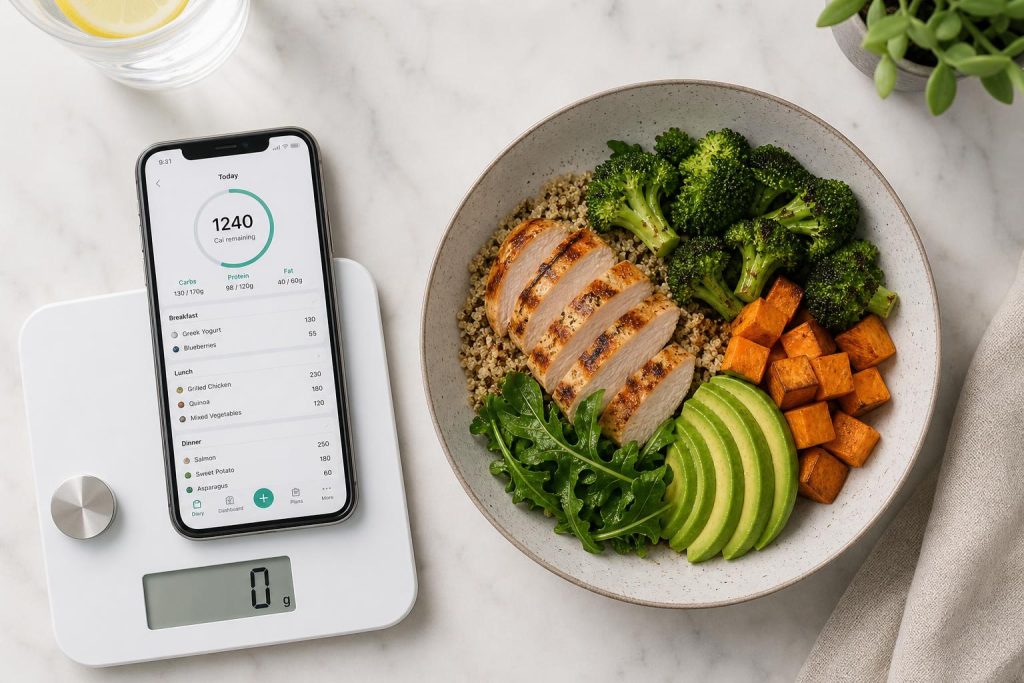
The target most sports medicine physicians and dietitians land on for men in a caloric deficit is somewhere between 1.6 and 2.2 grams of protein per kilogram of body weight per day. A landmark meta-analysis in the British Journal of Sports Medicine supported the upper end of this range for body composition optimization. Practically, that means prioritizing protein at every meal — eggs and Greek yogurt in the morning, grilled chicken or ground beef at lunch, fish or steak at dinner. When your stomach capacity feels smaller due to the medication, protein has to come first on the plate.
Leucine-rich sources matter most here. Chicken, beef, eggs, dairy, and fish all deliver the amino acid signaling needed to trigger muscle protein synthesis. If you’re struggling to hit your numbers through whole food alone — which is common when appetite is suppressed — a high-quality whey or casein protein supplement can fill the gap without adding a lot of volume or calories.
What to Actually Put on Your Plate
Beyond protein, the architecture of your meals should be built around food quality rather than calorie arithmetic alone. GLP-1 medications already handle much of the calorie reduction. Your job is to make sure the calories you do eat are doing something useful. Studies on dietary patterns in metabolically at-risk men consistently point toward whole food, minimally processed diets — rich in fiber, micronutrients, and anti-inflammatory compounds — as the substrate for durable fat loss and cardiovascular risk reduction.
Vegetables and legumes deserve a prominent place here, not just for fiber but for their effect on gut health and satiety signaling. Emerging research on the gut-brain axis suggests that dietary fiber supports the same GLP-1 signaling pathways the medication targets — meaning a high-fiber diet and GLP-1 therapy may work synergistically rather than redundantly. Aim for cruciferous vegetables, leafy greens, and legumes daily. These foods also slow gastric emptying naturally, which matters because GLP-1 users are already experiencing delayed stomach emptying — avoiding large portions of dense, processed carbohydrates becomes more important to prevent discomfort and nausea.
Healthy fats from olive oil, avocado, nuts, and fatty fish like salmon or mackerel support testosterone levels, reduce systemic inflammation, and enhance absorption of fat-soluble vitamins. Omega-3 fatty acids in particular have demonstrated independent benefits for insulin sensitivity, which makes them especially relevant for men using GLP-1s specifically for metabolic health improvement. Don’t fear fat — fear processed food masquerading as a meal.
What to minimize is equally important. Ultra-processed foods, sugar-sweetened beverages, refined grains, and alcohol can all blunt the results you’re working toward, and some — particularly alcohol — interact poorly with the gastrointestinal side effects that GLP-1 medications can produce. Carbonated drinks and high-fat fast food can intensify nausea and bloating. This isn’t about restriction for its own sake; it’s about not wasting the window the medication is giving you.
Hydration often gets overlooked. Reduced appetite can mean reduced fluid intake, and dehydration compounds fatigue and can mimic hunger. Aim for a minimum of 2.5 to 3 liters of water daily, more if you’re training. Electrolyte balance matters too — sodium, potassium, and magnesium all influence energy, muscle function, and cardiovascular performance. If you’re in a significant caloric deficit, consider an electrolyte supplement without added sugar.
The Takeaway
GLP-1 medications are a legitimate and powerful tool — but they work best when food quality rises to meet them. The medication will reduce how much you eat. You decide what that eating looks like. Prioritize protein at every meal to preserve muscle. Build your plate around whole foods, fiber-rich vegetables, and quality fats. Minimize processed carbohydrates and alcohol, stay hydrated, and treat your reduced appetite as the opportunity it is rather than a reason to become passive about nutrition. The men who treat GLP-1 therapy as a license to coast are the ones who regain weight when they stop. The men who use it as a launchpad to build better habits come out the other side genuinely transformed.