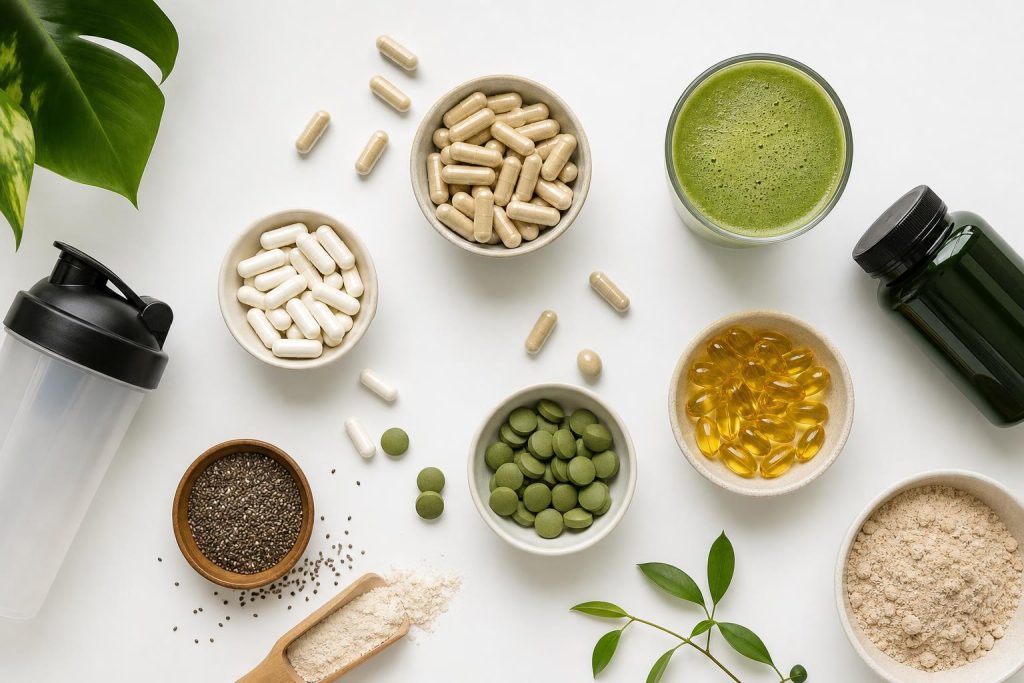
Semaglutide works. That much is no longer debatable. But here’s what the clinical conversation too often skips: what happens to your nutritional status while the drug is doing its job? When appetite suppression cuts your food intake by 30 to 40 percent, you’re not just eating fewer calories — you’re taking in fewer vitamins, fewer minerals, less protein, and less of the raw material your body needs to function optimally. The supplements you take during this period aren’t optional extras. For many men, they’re the difference between losing fat and losing muscle, between feeling sharp and feeling depleted.
This isn’t a niche concern. A 2023 network meta-analysis published in Frontiers in Endocrinology confirmed that GLP-1 receptor agonists like semaglutide produce meaningful reductions in liver fat content, body weight, and liver enzyme markers in patients with nonalcoholic fatty liver disease and type 2 diabetes — outcomes that are genuinely impressive. But the same appetite suppression driving those metabolic improvements creates nutritional gaps that go largely unaddressed in most clinical settings. If you’re on Ozempic and not actively managing your micronutrient and protein intake, you’re leaving a significant portion of your results on the table.
The Nutritional Reality of Eating Less on Ozempic
Ozempic slows gastric emptying, blunts hunger signaling, and creates a sustained feeling of fullness that most men have never experienced before. The practical result is that many users struggle to hit even 1,200 to 1,500 calories per day during the early months of treatment. At those intake levels, even a well-constructed diet will fall short on several key nutrients — particularly protein, B12, magnesium, zinc, and vitamin D. These aren’t marginal deficiencies. They directly affect muscle retention, testosterone production, energy metabolism, and immune function.
Protein deserves its own emphasis because the stakes are highest here. GLP-1-driven weight loss, if unmanaged, tends to pull from both fat and lean tissue. Research consistently shows that men who fail to hit adequate protein targets during caloric restriction lose disproportionate amounts of muscle mass. On Ozempic, where appetite suppression makes it genuinely difficult to eat enough, a high-quality protein supplement becomes a practical tool rather than a bodybuilder’s luxury. Whey protein or a plant-based alternative taken once or twice daily can help bridge the gap between what you’re able to eat and what your muscles actually need — generally 0.7 to 1 gram per pound of bodyweight, even during active fat loss.
Magnesium is another nutrient that deserves serious attention. The majority of American men are already below the recommended daily intake before GLP-1 therapy enters the picture, and reduced food consumption compounds the problem. Magnesium plays roles in over 300 enzymatic reactions, supports sleep quality, regulates blood sugar, and is involved in testosterone synthesis. A standard magnesium glycinate supplement — typically 200 to 400mg taken at night — is low-risk, inexpensive, and broadly beneficial. For men noticing muscle cramps, poor sleep, or heightened stress while on Ozempic, magnesium insufficiency is often the overlooked culprit.
Targeted Support: Muscle, Metabolism, and Gut Health
Creatine monohydrate is one of the most thoroughly researched compounds in sports science, with decades of data supporting its role in preserving lean mass, supporting cognitive function, and enhancing strength output. For men on Ozempic who are training while losing weight, creatine offers a meaningful buffer against muscle loss — and the standard 3 to 5 grams per day dosing is both safe and well-tolerated. It won’t interfere with the medication, and it won’t counteract the fat loss. What it will do is help ensure the weight you’re losing is predominantly fat rather than muscle you’ve spent years building.
Vitamin D and omega-3 fatty acids round out the core stack for most men in this situation. Vitamin D deficiency is endemic in men who work indoors, live at northern latitudes, or carry excess body fat — all of which apply to a meaningful portion of Ozempic users. Low vitamin D is associated with impaired insulin sensitivity, lower testosterone, and compromised immune function. A daily dose of 2,000 to 4,000 IU, ideally taken with a fat-containing meal given its fat-soluble nature, addresses a deficiency most men don’t know they have. Omega-3s, meanwhile, support the anti-inflammatory environment that GLP-1 therapy is already working to improve — particularly relevant given the documented benefits of semaglutide on liver health markers like AST and ALT. Fish oil at 2 to 3 grams of combined EPA and DHA daily is a reasonable, well-supported target.
The gut angle is worth addressing briefly but seriously. Ozempic-related gastrointestinal side effects — nausea, constipation, bloating — are among the most common reasons men reduce doses or discontinue therapy early. A quality probiotic and adequate dietary fiber (supplemented with psyllium husk if whole food sources are insufficient) can meaningfully reduce GI discomfort and support the gut microbiome changes that accompany GLP-1 therapy. This isn’t fringe wellness advice; gut motility and microbial balance are directly tied to nutrient absorption, and on a drug that already slows gastric emptying, supporting digestive function is practical medicine.
Finally, a comprehensive multivitamin serves as a reasonable insurance policy during periods of dramatically reduced food intake. It won’t substitute for whole food nutrition, but it provides baseline coverage for the B-vitamin complex — particularly B12, which requires adequate stomach acid for absorption and is commonly low in men on any therapy that alters gastric function — as well as zinc, selenium, and other trace minerals that support hormonal health and metabolic function.
The Takeaway
Ozempic is a powerful tool. But tools work best when you understand their limitations. Reduced appetite is the mechanism — and it’s also the liability. The men who get the best long-term outcomes on semaglutide are the ones who treat nutrition and supplementation as active parts of their protocol, not afterthoughts. Prioritize protein first, fill the micronutrient gaps with targeted supplementation, protect your muscle with creatine, and give your gut the support it needs to handle the transition. The drug handles the appetite. The rest is still on you.
Scientific References
-
Yuan, Gao, Yang et al. (2023).
Comparing the effectiveness of long-term use of daily and weekly glucagon-like peptide-1 receptor agonists treatments in patients with nonalcoholic fatty liver disease and type 2 diabetes mellitus: a network meta-analysis..
Frontiers in endocrinology.
View on PubMed →