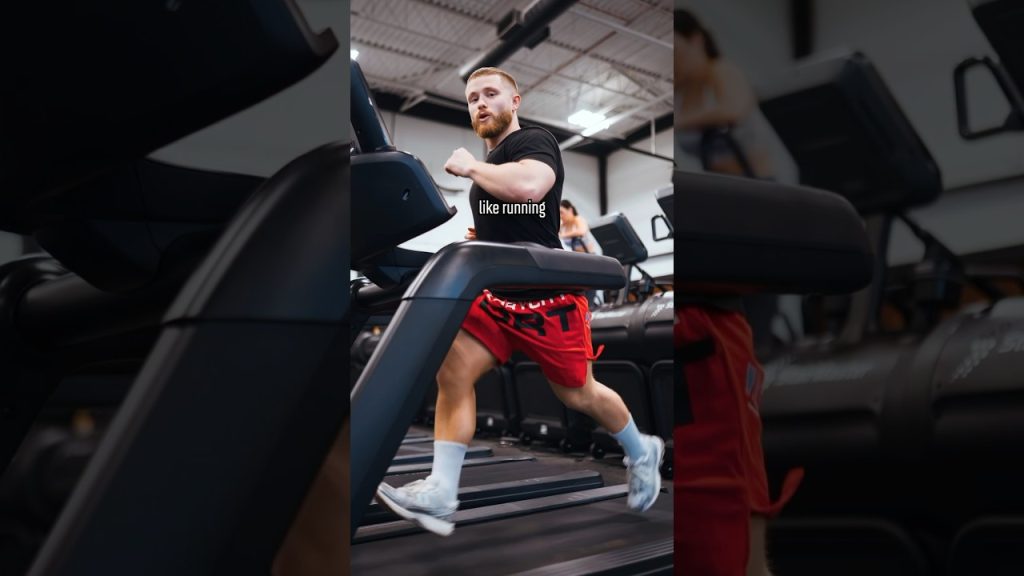
Video by Jeff Nippard on YouTube
Here’s a number that should get your attention: approximately 10% of total body weight lost on GLP-1 receptor agonists like semaglutide comes from lean muscle mass — not fat. That translates to roughly 6 kilograms of muscle, comparable to what most men lose over an entire decade of aging. These medications are genuinely remarkable tools — tirzepatide alone has demonstrated up to 24% total body weight loss in clinical settings, ranking in the top three across various weight-related and metabolic parameters, with the highest efficacy for achieving ≥15% weight loss compared with placebo — but the muscle loss problem is real, clinically significant, and almost entirely addressable with the right training approach.
If you’re on a GLP-1 medication, or considering one, this is the conversation your prescribing doctor probably didn’t have time to finish. And if you’re not on one — if you’re simply dieting hard to lose fat — the same physiological problem applies to you. Aggressive caloric restriction of any kind puts muscle on the chopping block. The solution in both cases is identical: structured, progressive resistance training.
What GLP-1 Medications Actually Do to Your Body Composition
GLP-1 receptor agonists work primarily by slowing gastric emptying, amplifying satiety signals in the brain, and modulating insulin and glucagon secretion. Newer molecules are also showing direct anti-inflammatory effects and receptor activation in peripheral tissues, which may have implications for metabolic health beyond simple calorie reduction. The weight loss they produce is significant and well-documented. But weight loss is not the same thing as fat loss, and this distinction is where most men on these medications run into trouble.
When you’re eating substantially less — which is exactly what happens on a GLP-1, because that’s partly how they work — your body enters a state of caloric deficit. In that state, it draws energy from both fat stores and lean tissue. Without a strong anabolic signal telling your body to preserve muscle, it has no particular reason to do so. GLP-1 medications don’t provide that signal. Only resistance training does. A 2024 narrative review published in Diabetes Care found that supervised resistance training programs lasting more than 10 weeks produced average lean mass gains of around 3 kilograms and strength improvements of approximately 25% — gains substantial enough to meaningfully offset the muscle loss induced by incretin-based therapies.
The downstream consequences of losing that muscle go well beyond aesthetics. Muscle is metabolically active tissue — it drives your resting energy expenditure, improves insulin sensitivity, and serves as a physiological reserve that becomes increasingly critical as you age. Lose it now and you’re not just losing the look of being lean and strong. You’re accelerating your biological clock toward sarcopenia and frailty, conditions strongly linked to increased morbidity and mortality in older men. The researchers behind the Diabetes Care review put it plainly: the lean mass loss from GLP-1 therapy is comparable to more than a decade of normal aging, and retaining it through resistance exercise could also help blunt fat regain if and when the medication is discontinued.
How to Structure Your Training to Protect and Build Muscle
The training principles here are not complicated, but they require consistency and progressive overload — meaning the stimulus needs to increase over time as your body adapts. Three to four sessions per week of compound resistance training is the evidence-supported starting point. Movements that recruit large amounts of muscle — squats, deadlifts, rows, presses, pull-ups — should form the backbone of your program. These exercises drive the greatest hormonal and mechanical response, creating the anabolic environment your body needs to justify holding onto lean tissue during a caloric deficit.
Sets should be taken close to muscular failure — within one to three reps of your limit — across a rep range of roughly six to fifteen. This range is wide enough to accommodate beginners working with lighter loads and experienced lifters chasing heavier weights, and research consistently shows muscle can be built and preserved across this entire spectrum provided effort is high. Two to four working sets per muscle group per session, with adequate rest between sets (ninety seconds to three minutes for compound movements), gives you a program architecture that’s both evidence-aligned and sustainable.
A 2025 joint advisory from the American College of Lifestyle Medicine, the American Society for Nutrition, the Obesity Medicine Association, and The Obesity Society specifically calls out resistance training and adequate dietary protein as essential components of GLP-1 treatment — not optional add-ons. The same advisory flags muscle and bone loss as a primary clinical challenge of GLP-1 therapy that needs to be actively addressed through lifestyle intervention. If your physician didn’t mention this when they handed you a prescription, consider this your clinical update.
On the nutrition side, protein intake becomes especially important when you’re training hard and eating less. Aim for a minimum of 0.7 to 1 gram of protein per pound of bodyweight daily — toward the higher end if you’re aggressively cutting calories or dealing with GLP-1-induced appetite suppression that makes hitting your targets harder. Leucine-rich sources like eggs, chicken, beef, Greek yogurt, and whey protein trigger muscle protein synthesis most effectively. If nausea from your medication is limiting food intake, prioritize protein above all other macronutrients at every eating opportunity.
One additional note for men on GLP-1 medications: the appetite suppression these drugs produce can make it genuinely difficult to feel like training. Lower energy intake means lower available energy, and some men report fatigue during the initial titration phase. Starting with two sessions per week rather than four, keeping sessions under an hour, and focusing on compound movements over isolation exercises is a smarter entry point than pushing volume that your current caloric intake can’t support. Progress the volume as your body adjusts to the medication and your intake stabilizes.
The Takeaway
GLP-1 medications can produce remarkable fat loss results — tirzepatide in particular has set a new clinical benchmark for weight loss pharmacotherapy. But the medication does not care whether the weight you’re losing is fat or muscle. Only you can care about that, and the way you act on that care is by lifting weights consistently, eating enough protein, and treating resistance training as a medical necessity rather than an optional lifestyle upgrade. Whether you’re on a GLP-1, dieting the traditional way, or simply trying to stay strong as you get older, the prescription is the same: get under the bar, push hard, and protect what you’ve built.
Scientific References
-
Mozaffarian, Agarwal, Aggarwal et al. (2025).
Nutritional priorities to support GLP-1 therapy for obesity: A joint Advisory from the American College of Lifestyle Medicine, the American Society for Nutrition, the Obesity Medicine Association, and The Obesity Society..
Obesity (Silver Spring, Md.).
View on PubMed → -
Drucker et al. (2026).
The expanding landscape of GLP-1 medicines..
Nature medicine.
View on PubMed → -
Locatelli, Costa, Haynes et al. (2024).
Incretin-Based Weight Loss Pharmacotherapy: Can Resistance Exercise Optimize Changes in Body Composition?.
Diabetes care.
View on PubMed → -
Krajnc, Itariu, Macher et al. (2023).
Treatment with GLP-1 receptor agonists is associated with significant weight loss and favorable headache outcomes in idiopathic intracranial hypertension..
The journal of headache and pain.
View on PubMed → -
Pan, Tan, Chin et al. (2024).
Efficacy and safety of tirzepatide, GLP-1 receptor agonists, and other weight loss drugs in overweight and obesity: a network meta-analysis..
Obesity (Silver Spring, Md.).
View on PubMed →