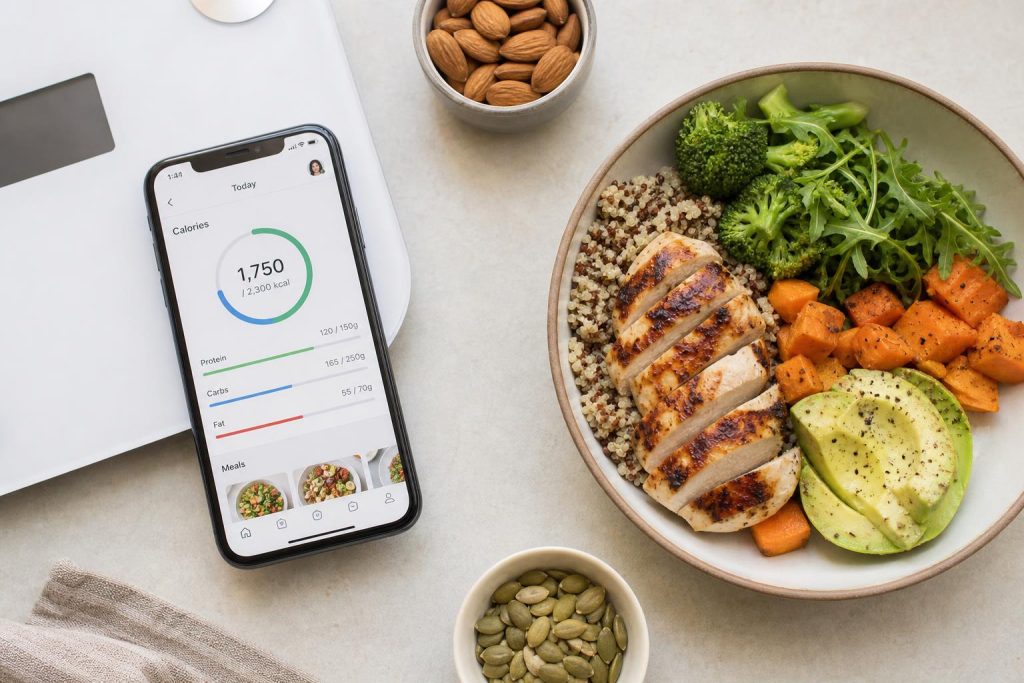
Muscle loss is not just a problem for elderly men or those battling chronic disease. It is a physiological threat that quietly accelerates the moment you cut calories, reduce training load, or simply age past 30. Research published in Nutrients estimates sarcopenia — the progressive loss of skeletal muscle mass and function — affects anywhere from 5% to 50% of older adults depending on diagnostic criteria, making it one of the most underdiagnosed yet consequential health issues men face. But the decisions you make right now, in your 30s, 40s, and 50s, determine how much muscle you carry into later decades. Understanding what prevents muscle loss is not optional information. It is foundational.
The mechanisms driving muscle loss are more complex than most men realize. It is rarely a single cause. A 2023 review in Nutrients examining muscle wasting in chronic kidney disease identified a cascade of interacting factors — inflammation, insulin resistance, hormonal imbalances, inadequate protein intake, and metabolic acidosis — all of which tip the scale toward protein degradation and away from protein synthesis. While that population carries a heavier burden, the same biological levers apply to healthy men under caloric restriction, heavy training stress, or the natural hormonal decline that comes with aging. The takeaway is clear: muscle preservation requires a multi-pronged approach, not a single fix.
Protein Is the Foundation — But Timing and Type Matter
If there is one nutritional variable with the strongest evidence behind it, it is protein intake. A comprehensive review in Nutrients found that randomized controlled trials consistently point to dietary protein as critical for preventing sarcopenia and muscle loss, though the authors noted the optimal dose and protein type remain subjects of ongoing investigation. For most active men, the practical target sits between 1.6 and 2.2 grams of protein per kilogram of bodyweight daily — a range that meaningfully exceeds standard dietary guidelines designed for sedentary populations.
The quality of protein matters as much as the quantity. Leucine, one of the branched-chain amino acids, acts as a direct trigger for muscle protein synthesis via the mTOR pathway. This is why fast-digesting, leucine-rich sources like whey protein and eggs have an edge post-workout. A 2025 review in Current Opinion in Clinical Nutrition and Metabolic Care specifically identified leucine, branched-chain amino acids, and creatine as nutrients with meaningful potential to mitigate muscle loss during periods of accelerated weight reduction. Spreading protein across meals — rather than concentrating it at dinner — also appears to optimize muscle protein synthesis throughout the day, as each meal provides a stimulus for muscle building when leucine thresholds are met.
Creatine deserves a specific mention here. It is among the most studied and consistently validated supplements in sports nutrition. Beyond its well-known role in performance, creatine supports muscle cell hydration, satellite cell activity, and anabolic signaling — making it a practical and low-risk tool for men focused on preserving or building lean mass, especially during caloric deficits.
Resistance Training Is Non-Negotiable
published in Current Opinion in Clinical Nutrition and Metabolic Care identified both resistance and aerobic training as valuable tools to improve muscle growth and function, but resistance training holds the top position when the primary goal is muscle preservation. Progressive overload — systematically increasing the mechanical demand placed on your muscles over time — is the most powerful anabolic stimulus available without a prescription.
Two to four resistance training sessions per week, emphasizing compound movements like squats, deadlifts, rows, and presses, create the mechanical tension and metabolic stress that signal your body to maintain and build muscle tissue. This signal becomes especially critical during periods of caloric restriction, when the body’s default is to cannibalize muscle for energy. Without that training stimulus, even adequate protein intake cannot fully prevent losses. The two work synergistically — protein provides the raw material, and training provides the blueprint for where to use it.
For men using GLP-1 receptor agonists like semaglutide or tirzepatide, this point is particularly urgent. The 2025 review cited earlier found that up to 40% of total weight lost on GLP-1 therapy can come from fat-free mass, which includes skeletal muscle. Resistance training and optimal protein intake are the primary countermeasures recommended — though the authors acknowledged the evidence base is still developing. Whether you are on medication or not, the prescription is the same: lift heavy, eat enough protein, and do not let weight loss happen faster than your muscle can adapt.
The Micronutrient Gap Men Overlook
Protein and training capture most of the conversation, but several micronutrients play supporting roles that men consistently underestimate. Vitamin D is the most prominent. The Nutrients review on nutrition and sarcopenia identified promising data linking vitamin D status to muscle mass and physical performance, with deficiency associated with accelerated muscle loss and functional decline. Given that vitamin D deficiency is extraordinarily common in men who work indoors, live in northern latitudes, or avoid sun exposure, getting levels tested and supplementing appropriately is a straightforward win.
Omega-3 fatty acids also appear in the research as having a meaningful, if modest, role. They exert anti-inflammatory effects that may blunt the chronic low-grade inflammation that accelerates muscle protein breakdown — a mechanism relevant not just for aging men but for anyone in a hard training block or an aggressive cut. Magnesium and selenium round out the micronutrient picture, with evidence suggesting both support physical performance and muscle function. A diet built around whole foods — lean proteins, vegetables, fruits, legumes, and healthy fats — covers most of these bases without requiring a cabinet full of supplements. The Mediterranean dietary pattern, specifically associated with improved physical performance and protection against muscle wasting, offers a practical framework that fits most lifestyles.
The Takeaway
Preventing muscle loss is not complicated, but it does require consistency across multiple fronts. Eat enough protein — prioritize leucine-rich sources and distribute intake across the day. Train with resistance regularly and progressively. Address micronutrient gaps, particularly vitamin D and omega-3s. Manage inflammation through diet quality and recovery. These are not advanced strategies reserved for athletes or medical patients. They are the baseline for any man who wants to stay strong, metabolically healthy, and physically capable for the long haul. The research is clear. The application is yours.
Scientific References
-
Massini, Caldiroli, Molinari et al. (2023).
Nutritional Strategies to Prevent Muscle Loss and Sarcopenia in Chronic Kidney Disease: What Do We Currently Know?.
Nutrients.
View on PubMed → -
Papadopoulou et al. (2020).
Sarcopenia: A Contemporary Health Problem among Older Adult Populations..
Nutrients.
View on PubMed → -
Ganapathy, Nieves et al. (2020).
Nutrition and Sarcopenia-What Do We Know?.
Nutrients.
View on PubMed → -
Chavez, Carrasco Barria, León-Sanz et al. (2025).
Nutrition support whilst on glucagon-like peptide-1 based therapy. Is it necessary?.
Current opinion in clinical nutrition and metabolic care.
View on PubMed → -
Volpi, Nazemi, Fujita et al. (2004).
Muscle tissue changes with aging..
Current opinion in clinical nutrition and metabolic care.
View on PubMed →