Most men starting a GLP-1 medication like semaglutide or liraglutide focus almost entirely on the injection — and almost not at all on what goes on the plate. That’s a mistake that costs real results. Because while GLP-1 receptor agonists are genuinely powerful tools for weight loss, the research is increasingly clear that the medication alone doesn’t build a better body. What you eat while on it does.
A 2026 randomized controlled trial published in Sports Medicine involving 193 adults with obesity found that liraglutide alone did not improve physical fitness — including cardiorespiratory fitness or functional performance — during a weight maintenance phase. The groups that exercised, however, showed meaningful improvements in peak oxygen consumption and stair climb performance. The combined treatment of GLP-1 medication plus structured exercise produced the best outcomes across the board. The implication for nutrition follows the same logic: the drug suppresses appetite and supports weight loss, but the quality of what you eat determines whether you lose fat and preserve muscle or simply lose weight and end up metabolically weaker than when you started.
This free GLP-1 meal plan is built around that reality. It’s not a crash diet dressed up with a pharmaceutical label. It’s a strategic eating framework designed to work with the appetite-suppressing mechanisms of GLP-1 medications while ensuring your body gets everything it needs to retain lean mass, support energy levels, and keep your metabolism functioning at a high level throughout the process.
The Nutritional Logic Behind Eating on a GLP-1
GLP-1 receptor agonists work in part by slowing gastric emptying and reducing hunger signals from the brain, which means most users eat significantly less. That’s the point — but it also creates a nutritional problem. When total calorie intake drops sharply, protein intake often drops with it. And when protein is low while you’re in a significant caloric deficit, the body has little reason to hold onto muscle tissue. The result is a phenomenon researchers call sarcopenic obesity: losing weight, but losing disproportionate amounts of lean mass in the process, leaving you lighter but not actually healthier in any meaningful metabolic sense.
The solution is to make every calorie count, with protein as the non-negotiable anchor of every meal. The current evidence supports a protein intake of roughly 1.6 to 2.2 grams per kilogram of body weight per day for men in a caloric deficit who want to preserve or build muscle. For a 200-pound man, that translates to approximately 145 to 200 grams of protein daily. On a GLP-1, when you’re naturally eating less volume, hitting that target requires intentionality — it means prioritizing protein-dense foods at every sitting rather than filling up on whatever is convenient and palatable.
Beyond protein, micronutrient density becomes critical. Reduced food volume means fewer opportunities to take in vitamins and minerals, so the foods you do eat need to pull serious nutritional weight. This is where the standard Western eating pattern — ultra-processed, calorie-dense, nutrient-poor — becomes especially problematic on a GLP-1. Eating chips, crackers, and processed snacks because they’re easy to tolerate when your appetite is blunted is one of the most common and damaging patterns clinicians see in GLP-1 users. The goal is the opposite: when you do eat, make it real food with real nutritional payoff.
Your Free GLP-1 Meal Plan: A Day-by-Day Framework
This isn’t a rigid prescription — it’s a template built on the right nutritional principles that you can adapt to your schedule, preferences, and calorie targets. The structure centers on two to three meals per day with protein front-loaded into each one, moderate complex carbohydrates timed around activity, and healthy fats used to support satiety and hormonal health without crowding out protein.
A strong breakfast anchor looks like three to four whole eggs scrambled with spinach and a side of cottage cheese or Greek yogurt — delivering somewhere in the range of 40 to 50 grams of protein before the day really begins. If appetite is low in the morning, which is common on GLP-1 medications, a high-protein shake made with two scoops of whey or casein protein blended with frozen berries and a tablespoon of almond butter accomplishes the same goal in a format that’s easier to get down. The key is not skipping the morning protein window because you’re not hungry — that meal sets the metabolic tone for the day.
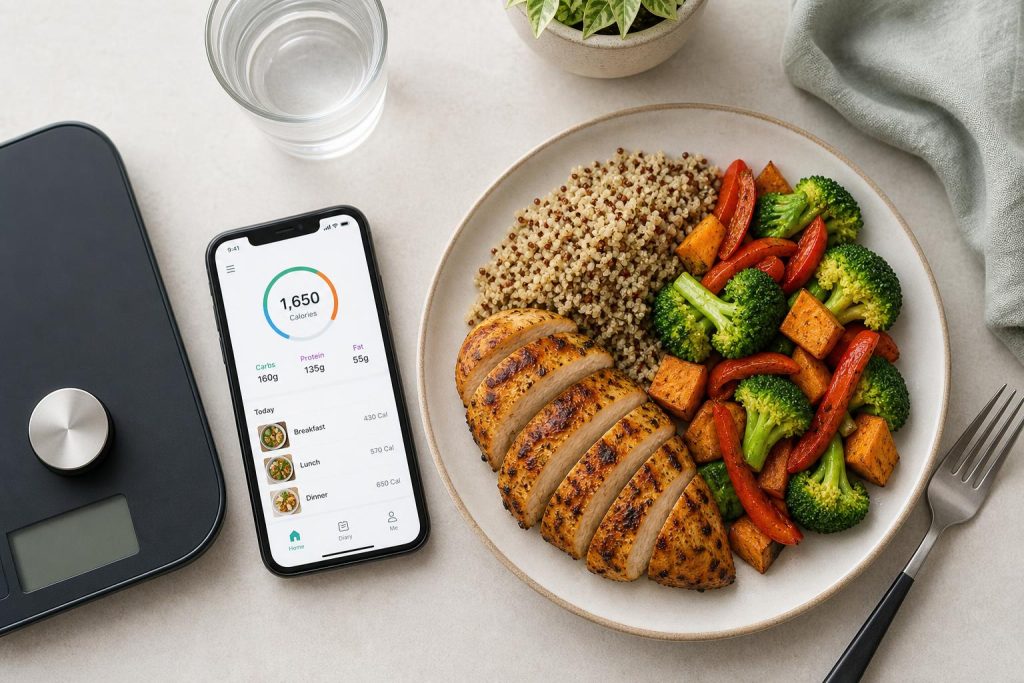
Lunch should be built around a lean protein source — grilled chicken breast, canned tuna, shrimp, lean ground turkey, or bison — paired with a substantial serving of non-starchy vegetables like broccoli, zucchini, or mixed greens, and a moderate portion of a slow-digesting carbohydrate like brown rice, quinoa, or lentils. This combination hits your protein target for the meal (aim for 40 to 50 grams), keeps blood sugar stable, and provides fiber to support gut health without creating the kind of bloating and GI discomfort that many GLP-1 users experience with high-fiber foods eaten in excess all at once. Portion these meals at roughly two-thirds of what you used to eat — on a GLP-1, that will likely feel like enough.
Dinner follows the same logic: a protein anchor of salmon, lean steak, pork tenderloin, or chicken thighs (with skin removed if calories are a concern), a large serving of roasted or steamed vegetables, and either a small portion of complex carbohydrates or additional healthy fat depending on how your macros are tracking for the day. If you trained earlier in the day, include the carbohydrates — your muscles need glycogen replenishment. If it was a rest day and you’ve already hit your carb targets, swap in a serving of avocado or a drizzle of olive oil instead.
For snacks, if you need them at all — and many GLP-1 users find they don’t — hard-boiled eggs, a handful of mixed nuts, jerky with no added sugar, or a protein shake represent the highest-value options. The goal is to bridge any gap between meals without resorting to processed convenience foods that will fill your limited stomach capacity with empty calories.
Hydration deserves its own mention. GLP-1 medications increase the risk of nausea and constipation, both of which are worsened by insufficient fluid intake. Aim for a minimum of three liters of water per day, increasing that if you’re exercising. Electrolytes — particularly sodium, potassium, and magnesium — matter more during rapid weight loss phases, when you’re excreting more of them through urine as glycogen stores deplete. A simple electrolyte supplement or additional sodium at meals can prevent the fatigue and cramping that derails many men in their first months on a GLP-1.
The Takeaway
A GLP-1 medication gives you a real metabolic advantage — reduced hunger, improved blood sugar regulation, and meaningful weight loss that’s clinically validated. But as the research makes clear, the drug alone doesn’t build fitness or protect muscle. That job belongs to structured nutrition and consistent training. The evidence from Jensen and colleagues is unambiguous: pharmacotherapy plus lifestyle intervention outperforms the medication in isolation every time. Think of your GLP-1 as the tool that makes eating less easier — and this meal plan as the strategy that makes eating less actually mean something for your long-term health, body composition, and performance. Use both, and you’re not just losing weight. You’re building a body that functions better in every way that counts.
Scientific References
-
Jensen, Fiorenza, Juhl et al. (2026).
Physical Fitness with Exercise and GLP-1 Receptor Agonist Treatment Alone or Combined After Diet-Induced Weight Loss: A Secondary Analysis of a Randomized Controlled Trial in Adults with Obesity..
Sports medicine (Auckland, N.Z.).
View on PubMed →