When researchers at the University of Liverpool tracked body composition in semaglutide users over 68 weeks, they found something that should give every GLP-1 user pause: nearly 40% of the weight lost came from lean muscle mass, not fat. That statistic isn’t meant to scare you off GLP-1 medications — semaglutide, tirzepatide, and their cousins are genuinely powerful metabolic tools. But it does underscore a critical truth that most prescribers gloss over: what you eat while taking these medications determines whether you come out leaner and stronger, or just lighter and metabolically worse off.
GLP-1 receptor agonists work by slowing gastric emptying, amplifying satiety signals, and reducing appetite — sometimes dramatically. The result is that many men find themselves eating 800 to 1,200 calories a day almost effortlessly. That kind of caloric restriction, without intentional nutritional strategy, is a fast track to muscle loss, micronutrient deficiency, fatigue, and the kind of metabolic slowdown that makes weight regain nearly inevitable once the medication stops. The medication handles the appetite. You have to handle the nutrition.
Protein First, Every Single Meal
If there is one non-negotiable dietary principle for men on GLP-1 therapy, it is aggressive protein prioritization. Research consistently shows that protein intakes of 1.2 to 1.6 grams per kilogram of body weight are necessary to preserve lean mass during caloric restriction — and given that GLP-1 medications often push total intake well below maintenance, the margin for error is razor thin. If you weigh 200 pounds (roughly 91 kg), you should be targeting somewhere between 110 and 145 grams of protein per day, even if your total calories are modest.
This matters for a practical reason beyond aesthetics. Muscle is metabolically active tissue. The more you preserve during a fat loss phase, the higher your resting metabolic rate stays, and the better your long-term body composition trajectory looks. Higher protein diets also have a thermogenic advantage, with roughly 25–30% of protein calories burned through digestion itself — a meaningful edge when you’re eating less overall.
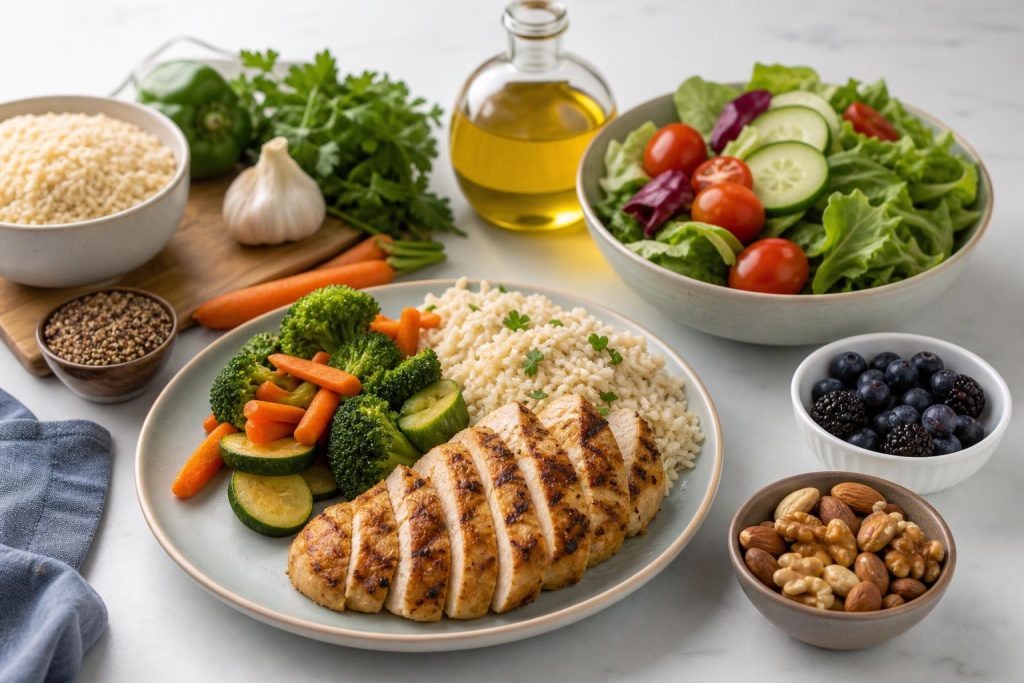
Practical sources to prioritize include eggs, Greek yogurt, cottage cheese, canned salmon and tuna, chicken breast, lean beef, and whey or casein protein if whole-food intake falls short. Because GLP-1 medications reduce stomach capacity and slow digestion, many men find that smaller, protein-forward meals — think a 6-ounce chicken breast with roasted vegetables rather than a large mixed plate — are easier to tolerate without nausea or early satiety cutting the meal short before they’ve hit their targets.
The Nutrients You’ll Actually Get Deficient In
Eating significantly less food means eating significantly fewer micronutrients — and certain deficiencies are particularly common among GLP-1 users who don’t plan around this reality. Vitamin B12, iron, zinc, magnesium, and calcium are among the most frequently depleted nutrients during low-calorie dietary phases, and each one has downstream consequences for energy, hormonal function, immune health, and muscle performance that are hard to distinguish from medication side effects.
Vitamin B12 deserves special attention because GLP-1 medications slow gastric acid secretion, and gastric acid is required for B12 absorption from food. Getting B12 from fortified foods or a sublingual supplement rather than relying solely on dietary sources is worth considering. Zinc and magnesium — both critical for testosterone production and sleep quality — are easily crowded out when red meat, shellfish, nuts, and seeds fall off the menu due to reduced appetite. Making a conscious effort to keep fatty fish, pumpkin seeds, and dark leafy greens in rotation is one of the better nutritional habits a GLP-1 user can build. Magnesium supplementation in deficient individuals has been shown to support healthy testosterone levels, which matters enormously for muscle retention during any caloric deficit.
Calcium and vitamin D are similarly important, particularly because men on GLP-1 medications sometimes cut dairy out of their diets in an attempt to reduce nausea. If that’s the case, fortified plant milks, canned salmon with bones, and a quality vitamin D3/K2 supplement can help fill the gap. Vitamin D deficiency is associated with reduced muscle strength and insulin resistance — two outcomes directly at odds with the metabolic improvements GLP-1 therapy is meant to produce.
A high-quality multivitamin is a reasonable baseline safety net here — not a replacement for a nutrient-dense diet, but an insurance policy against the gaps that almost inevitably open up when total caloric intake drops significantly. Beyond that, a focused omega-3 supplement is worth considering: EPA and DHA from fish oil have been shown to attenuate muscle protein breakdown during caloric restriction, a finding with direct relevance for anyone trying to stay lean and strong on reduced food intake.
How to Structure Your Eating Around GLP-1 Side Effects
Nausea, early fullness, and occasional reflux are the most common complaints among new GLP-1 users, and they are almost entirely manageable with the right eating structure. The core principle is density over volume — prioritizing foods that pack maximum protein and nutrients into small portions, rather than high-fiber, high-bulk meals that feel overwhelming before you’ve hit meaningful nutrition targets.
Eating slowly and stopping at the first signal of fullness — rather than pushing through — is one of the most effective strategies for avoiding the nausea that discourages continued medication use. GLP-1 receptor activation significantly prolongs gastric emptying time, meaning food sits in the stomach longer than usual; adding large volumes on top of that is a reliable recipe for discomfort. Three to four smaller meals spread across the day tend to outperform two larger ones during the early weeks of GLP-1 therapy.
Highly processed foods, greasy meals, and excess refined sugar should be minimized not only for metabolic reasons but because they exacerbate nausea and slow the gut further in a system that’s already running deliberately sluggish. Alcohol deserves a specific mention: GLP-1 medications appear to modify the reward response to alcohol in some individuals, but alcohol itself remains a metabolic disruptor — it suppresses fat oxidation, lowers testosterone, and undermines sleep quality at the same time the medication is working hard to improve all three.
Hydration is another area that quietly suffers on GLP-1 medications. Reduced appetite often translates to reduced thirst awareness, and the medications themselves can increase risk of dehydration through nausea-induced reduced intake. Targeting at least 2.5 to 3 liters of water daily, with electrolytes if training intensity is high, is a simple but consequential habit.
The Takeaway
GLP-1 medications can be a remarkable accelerant for fat loss and metabolic improvement — but the medication only controls the appetite. Nutrition controls the outcome. Men who approach GLP-1 therapy with a disciplined, protein-forward, micronutrient-aware eating strategy consistently outperform those who simply eat less and hope for the best. The science here is not ambiguous: preserve muscle with protein, fill micronutrient gaps with intentional food choices and targeted supplementation, structure meals around tolerability, and treat your reduced appetite as an opportunity to eat better — not just less. The medication does its job. Make sure your diet does its job too.