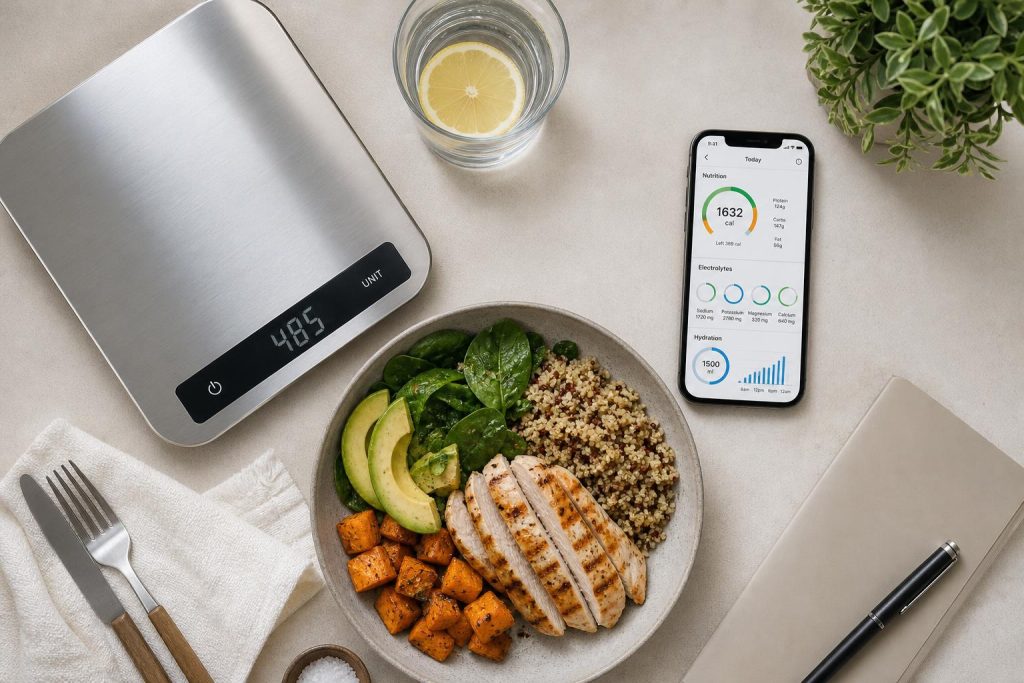
Most men don’t think about electrolytes until they’re cramping on a treadmill or waking up at 3 a.m. with a charley horse. But if you’re using semaglutide — or any GLP-1 receptor agonist — the stakes around electrolyte balance get significantly higher, and the science behind why is worth understanding in full.
Research published in Diabetes Care confirms that GLP-1 receptor agonists accelerate gastric emptying changes and suppress appetite so effectively that total food and fluid intake drops substantially — often by 30% or more in the early weeks of use. That’s not just fewer calories. That’s fewer electrolytes, less dietary sodium, less potassium from vegetables and fruit, less magnesium from nuts and whole grains. When you layer reduced appetite on top of the nausea and occasional vomiting that many men experience early in treatment, you have a setup for rapid electrolyte depletion that most clinical conversations around semaglutide never address directly.
Why Electrolyte Balance Matters More Than You Think
Sodium, potassium, magnesium, and chloride aren’t just about hydration in the simplistic “drink more water” sense. These minerals govern nerve conduction, muscle contraction, blood pressure regulation, and cardiac rhythm. A review in Nutrients found that even mild hyponatremia — low blood sodium — impairs cognition, balance, and physical performance in ways men often attribute to fatigue or overtraining. For someone cutting calories aggressively on semaglutide, this misattribution is common and correctable.
Sodium targets for active men generally fall between 2,300 and 3,400 mg per day, but men on GLP-1 medications eating significantly less food may fall well below the lower threshold without realizing it. A practical fix is adding a half-teaspoon of quality sea salt to a morning glass of water — roughly 1,150 mg of sodium — before breakfast. It sounds simple because it is, and it works.
Potassium deserves equal attention. The adequate intake for men is 3,400 mg daily, and studies have linked low potassium intake to elevated blood pressure, muscle weakness, and impaired insulin sensitivity — the exact outcomes men using semaglutide are trying to reverse. Avocados, salmon, white beans, and potatoes are among the highest-density potassium foods per calorie, making them valuable in a reduced-appetite eating window. Supplemental potassium is more tightly regulated (most supplements cap at 99 mg per dose due to GI and cardiac risk), so food sources should be the primary strategy.
Magnesium is where GLP-1 users and keto dieters alike tend to fall shortest. Data from the National Health and Nutrition Examination Survey estimates that roughly 48% of Americans don’t meet the estimated average requirement for magnesium, and that number almost certainly skews higher among men eating a caloric deficit. The RDA for men sits at 400–420 mg daily. Magnesium glycinate or magnesium malate — taken at 200–400 mg before bed — consistently improves sleep quality, reduces muscle cramping, and supports glucose metabolism without the laxative effect associated with magnesium oxide.
Building a Practical Hydration Protocol
Plain water, consumed in large quantities without adequate electrolytes, can actually dilute serum sodium — a condition called dilutional hyponatremia. This phenomenon is well-documented in endurance athletes but matters to any man drinking aggressively to manage appetite on a GLP-1 medication. The target isn’t maximum water volume — it’s hydration quality. Aim for roughly half your body weight in ounces of water daily, with electrolytes included in at least two of those servings.
A well-formulated electrolyte drink — one containing meaningful sodium (500–1,000 mg per serving), potassium (200–400 mg), and magnesium (40–100 mg) — taken once in the morning and once post-workout covers the majority of active men’s daily needs without supplementation overload. Avoid products loaded with sugar or artificial colors; the electrolyte itself is the functional ingredient, not the packaging.
Hydration status can be self-monitored with reasonable accuracy using urine color. Pale yellow indicates adequate status. Dark amber means you’re behind. Clear urine, paradoxically, can signal overhydration and electrolyte dilution — something semaglutide users compensating for nausea-related fluid loss should watch for carefully.
The Takeaway
Whether you’re using semaglutide, running a caloric deficit on your own terms, or just training hard and eating clean, electrolyte balance is a non-negotiable foundation of performance and metabolic health. The science is clear that deficiencies are common, underdiagnosed, and correctable with targeted food choices and straightforward supplementation. Hit your sodium, prioritize potassium through whole food, supplement magnesium at night, and build your hydration around electrolyte quality — not just volume. That’s the framework. The rest is execution.