Here is an uncomfortable truth: most men who lose weight also lose a significant amount of muscle in the process. Research published in Advances in Nutrition confirms that weight-loss-induced muscle loss is a genuine clinical concern — one that can compromise physical function, increase the risk of sarcopenia, and undermine the very metabolic improvements you were chasing in the first place. Whether you’re cutting calories aggressively, running a caloric deficit through training, using a GLP-1 medication, or simply trying to age better, the challenge is identical: how do you shed fat without stripping away the muscle you’ve worked hard to build?
The answer isn’t a single supplement or a trendy protocol. It’s a convergence of smart nutrition, strategic training, and an understanding of how your body decides what to keep and what to burn. Let’s break down what the science actually says.
Why Your Body Eats Muscle When You’re in a Deficit
Your body is not loyal to your aesthetic goals. When energy intake drops, it enters a state of metabolic triage — pulling fuel from wherever it’s most available. Fat stores are the primary target, but muscle tissue is metabolically expensive to maintain, and under the right (or wrong) conditions, your body will sacrifice it. This process accelerates with rapid weight loss, inadequate protein intake, sedentary behavior, and certain environmental stressors.
One of the more revealing recent findings involves a microRNA called miR-1, which regulates skeletal muscle under physiological stress. A 2024 study in Advanced Biology found that prolonged hypoxic stress — such as high-altitude exposure — significantly increased miR-1 expression in skeletal muscle, which in turn suppressed key protective proteins (PAX3 and HSP70) and upregulated muscle degradation genes including FOXO3, MSTN, and ATROGIN. While most men aren’t stationed at 25,000 feet, the underlying biology is broadly relevant: when the body is stressed, specific molecular signals tip the balance toward muscle breakdown. Chronic caloric restriction, overtraining without adequate recovery, and poor sleep all activate overlapping pathways that accelerate muscle catabolism. Understanding this helps explain why simply eating less and moving more — without a deliberate preservation strategy — so often results in the kind of weight loss that leaves men looking and feeling weaker.
The good news is that the signals driving muscle breakdown are not fixed. They respond to the inputs you give your body every single day.
The Non-Negotiables: Protein, Resistance Training, and the Muscle-Preservation Trifecta
If there are three pillars of muscle preservation, they are protein intake, resistance training, and recovery. None of them are optional. Each reinforces the others, and the absence of any one dramatically weakens the whole structure.
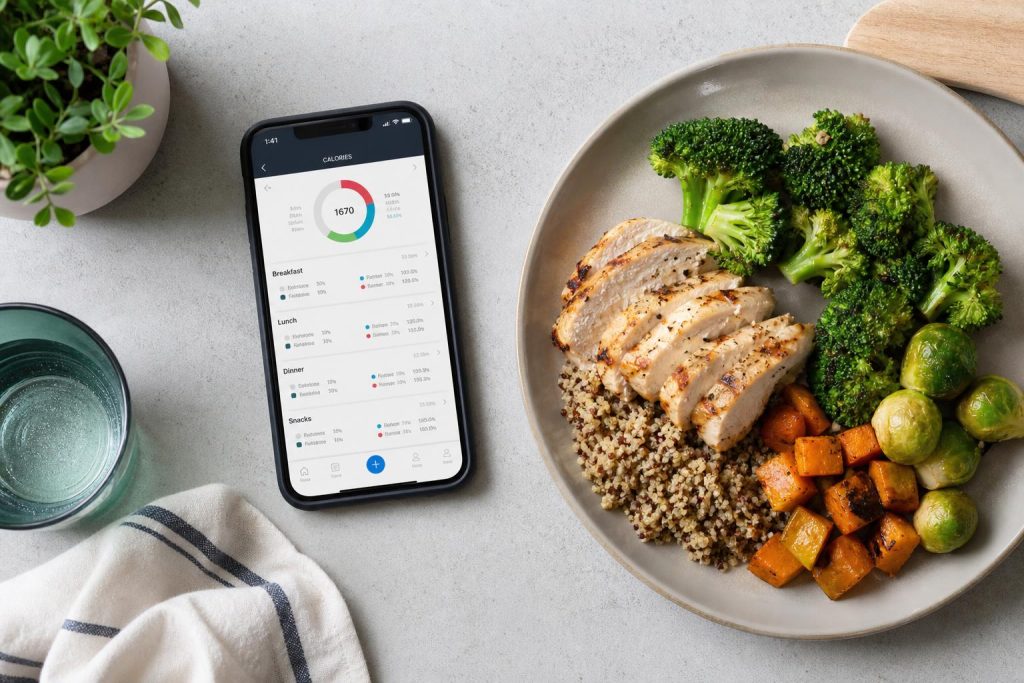
Protein is the raw material for muscle repair and retention. During a caloric deficit, your body’s protein requirements actually increase — because dietary protein is being used not just for muscle synthesis but also as a partial energy source. The 2017 review in Advances in Nutrition emphasizes that preserving lean body mass during weight loss requires deliberate nutritional strategy, and protein is at the center of that. Most evidence now supports a target of 1.6 to 2.4 grams of protein per kilogram of body weight per day when in a deficit — with higher ends of that range being appropriate for men who train hard or are losing weight quickly. Distributing that protein across three to four meals, with at least 30–40 grams per meal, maximizes muscle protein synthesis throughout the day. Leucine-rich sources — chicken, eggs, beef, Greek yogurt, cottage cheese — are particularly effective at triggering the anabolic signaling needed to offset breakdown.
Resistance training is the other half of the equation, and arguably the more powerful signal. Lifting weights sends a direct message to your neuromuscular system: this tissue is being used, preserve it. Even two to three sessions per week of progressive resistance training can meaningfully blunt muscle loss during a diet phase. The key is progressive overload — gradually increasing the mechanical demand on your muscles over time — which keeps the anabolic signal strong even as calories remain low. Men who combine a high-protein diet with consistent resistance training consistently preserve more muscle than those who rely on cardio alone, regardless of whether the weight loss is driven by diet, exercise, or pharmacological support. This holds true for GLP-1 users as well, where rapid appetite suppression can accelerate muscle loss if training is neglected.
Recovery is the third pillar that most men underestimate. Sleep is when the body executes the muscle repair processes triggered by training. Chronic sleep deprivation elevates cortisol and suppresses testosterone — a hormonal combination that directly promotes muscle catabolism. Aiming for seven to nine hours of quality sleep per night is not a luxury; it is a physiological requirement for muscle preservation. Active recovery strategies — mobility work, walking, managing training volume — further reduce systemic inflammation that would otherwise accelerate muscle breakdown.
The Role of Exercise-Induced Hormones and Strategic Supplementation
Beyond the mechanical effects of lifting weights, exercise produces a cascade of hormonal signals that directly protect and build muscle. One of the most compelling is irisin, a myokine released primarily during physical activity. A comprehensive 2024 review in the International Journal of Molecular Sciences describes irisin as a multifaceted hormone that improves muscle-adipose communication, enhances mitochondrial function, reduces oxidative stress, and directly combats sarcopenia. Irisin levels are elevated in healthy, physically active individuals and suppressed in disease states. In practical terms, this means that exercise — particularly resistance training combined with aerobic activity — is not just burning calories. It is releasing protective hormonal signals that preserve muscle mass, improve insulin sensitivity, and even support brain health and bone density simultaneously. This is why no drug, diet strategy, or supplement fully replicates the benefits of consistent, structured exercise.
When it comes to supplementation, creatine monohydrate stands out as the most research-supported option for muscle preservation. A 2021 systematic review and meta-analysis in the Journal of Food Biochemistry evaluated creatine’s effect on recovery following exercise-induced muscle damage and found consistent evidence that creatine supplementation reduces muscle damage markers, improves recovery of muscle force, and decreases soreness following intense training. For men in a caloric deficit, where recovery is already compromised, creatine’s ability to preserve muscle function and accelerate repair between sessions makes it a practical and cost-effective tool. A standard dose of three to five grams per day — taken consistently, without loading — is sufficient for most men. It requires no cycling, works regardless of training experience level, and has an exceptional long-term safety profile.
Beyond creatine, adequate micronutrient status matters more than most men realize. Vitamin D deficiency is associated with reduced muscle strength and accelerated muscle loss, particularly in men over 40. Magnesium plays a key role in muscle contraction and recovery. Omega-3 fatty acids have demonstrated anti-catabolic effects in several trials, likely through their anti-inflammatory actions. None of these replace the fundamentals, but all of them contribute to the biochemical environment your muscles need to thrive.
It’s also worth noting what to avoid. Valproic acid — a compound sometimes discussed in experimental contexts — provides an instructive cautionary example. A 2023 study in Clinical and Experimental Pharmacology & Physiology found that while valproic acid reduced susceptibility to contraction-induced functional loss in muscular dystrophy models, it simultaneously increased absolute muscle weakness. This illustrates a broader principle: interventions that appear promising on one metric can have counterproductive effects on overall muscle health. It is a reminder to approach any novel compound — pharmaceutical or otherwise — with skepticism until the full picture is clear.
The Takeaway
Muscle loss during weight loss is not inevitable. It is a biological default that can be overridden with the right inputs. Eat enough protein — more than you think you need, distributed across your day. Train with weights consistently and progressively. Sleep like it matters, because it does. Leverage exercise’s hormonal benefits, including the powerful muscle-protective effects of irisin that only consistent physical activity can produce. Consider creatine as a reliable, well-researched support tool. And understand that rapid, aggressive weight loss without a preservation strategy is one of the most common ways men inadvertently trade fat for muscle — leaving themselves metabolically worse off than before they started.
Whether you’re dropping weight through a disciplined nutrition plan, a structured training program, or with the assistance of medication, the biology of muscle preservation works the same way. Protect it deliberately, or lose it by default. The research is clear on which outcome your body will choose if you give it no reason to do otherwise.
Scientific References
-
Cava, Yeat, Mittendorfer et al. (2017).
Preserving Healthy Muscle during Weight Loss..
Advances in nutrition (Bethesda, Md.).
View on PubMed → -
Paoletti, Coccurello et al. (2024).
Irisin: A Multifaceted Hormone Bridging Exercise and Disease Pathophysiology..
International journal of molecular sciences.
View on PubMed → -
Jiaming, Rahimi et al. (2021).
Creatine supplementation effect on recovery following exercise-induced muscle damage: A systematic review and meta-analysis of randomized controlled trials..
Journal of food biochemistry.
View on PubMed → -
Moutachi, Lemaitre, Delacroix et al. (2023).
Valproic acid reduces muscle susceptibility to contraction-induced functional loss but increases weakness in two murine models of Duchenne muscular dystrophy..
Clinical and experimental pharmacology & physiology.
View on PubMed → -
Srivastava, Mondal, Rathor et al. (2024).
Increased Expression of MiRNA-1 Contributes to Hypobaric Hypoxia-Induced Skeletal Muscle Loss..
Advanced biology.
View on PubMed →