Tirzepatide works by slowing gastric emptying, amplifying satiety signals, and blunting post-meal glucose spikes — and clinical trial data from the SURMOUNT-1 study showed participants losing an average of 20.9% of body weight over 72 weeks. But the medication doesn’t do the heavy lifting alone. What you eat on injection day — typically the day when GI side effects peak — can determine whether you feel functional and nourished or wiped out and nauseous for the next 24 hours.
The pharmacokinetics of tirzepatide mean that peak plasma concentration occurs roughly 8 to 72 hours after subcutaneous injection, with a half-life of approximately five days. That means injection day isn’t necessarily the hardest day for everyone — but for most users, particularly in the dose-escalation phase, it tends to bring the sharpest appetite suppression, the most pronounced nausea, and a general feeling of fullness that makes eating feel like a chore. This is where strategic nutrition becomes non-negotiable.
Build Your Injection Day Meals Around Protein and Digestibility
The worst thing you can do on injection day is eat nothing. Prolonged caloric restriction combined with the appetite suppression tirzepatide induces can accelerate lean mass loss — a serious concern given that research on GLP-1 receptor agonists has shown that roughly 25–39% of weight lost can come from lean tissue when protein intake isn’t adequately maintained. Protecting muscle requires deliberate effort, even when your stomach is telling you otherwise.
On injection day, aim to anchor each meal around a high-quality protein source that is easy to digest. Eggs, Greek yogurt, cottage cheese, white fish like cod or tilapia, and protein shakes made with whey or casein are all solid options. These digest efficiently without sitting heavily in a gut that’s already operating in slow-motion from tirzepatide’s gastric emptying delay. Research consistently supports a protein intake of 1.6 to 2.2 grams per kilogram of body weight for muscle preservation during a caloric deficit — and injection day is not a day to miss that target, even if portions feel smaller than usual.
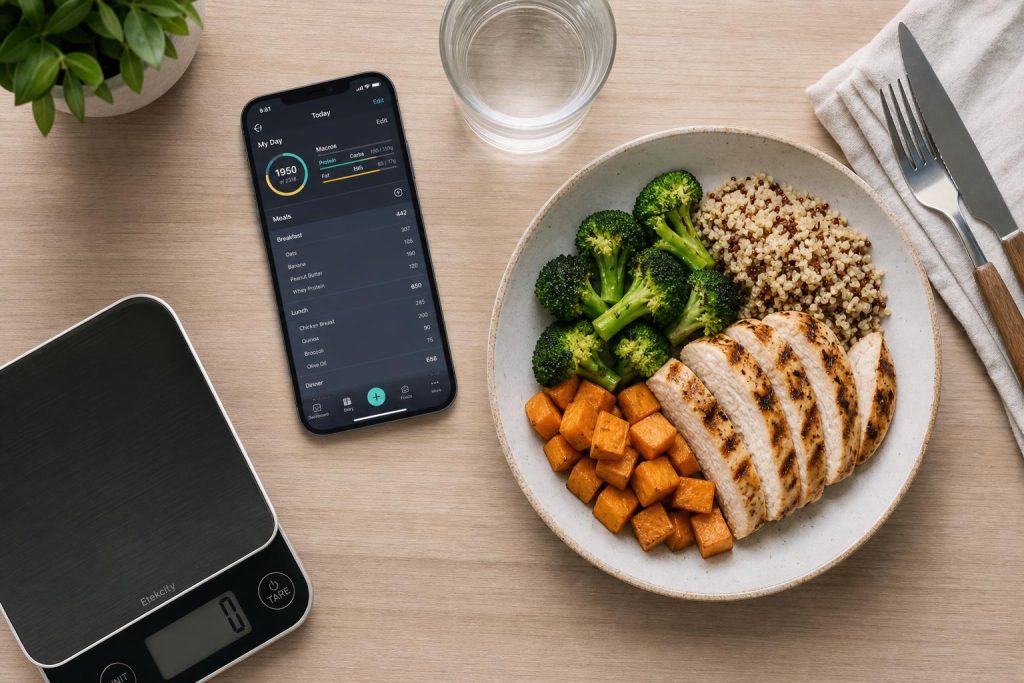
Pair your protein with easily tolerated carbohydrates: plain rice, oatmeal, sweet potato, or toast work well because they’re low in fat and fiber on their own, which means they clear the stomach faster. High-fat meals are particularly problematic on injection day because fat is the slowest macronutrient to empty from the stomach — combine that with tirzepatide’s already-slowed gastric emptying and you have a recipe for prolonged nausea, bloating, and discomfort. A greasy burger or a heavy cream-based pasta dish is not your friend right now.
High-fiber vegetables — broccoli, cauliflower, raw onions, beans — are worth minimizing on injection day for the same reason. They ferment in the gut and generate gas, which amplifies bloating in an already sluggish system. Save the fiber-dense meals for the days between injections when your GI tract is operating more normally. Hydration is equally important: adequate water intake supports gastric function and reduces nausea intensity, and many tirzepatide users report that small, consistent sips throughout the day — rather than large volumes at once — keep symptoms manageable.
Timing and Meal Size Matter as Much as Food Choice
Smaller, more frequent meals tend to outperform two or three large ones on injection day. Rather than forcing a 700-calorie dinner when you have zero appetite, consider four to five small protein-forward meals or snacks spread across the day. A morning scrambled egg with toast, a midday Greek yogurt with fruit, a small rice bowl with grilled fish in the afternoon, and a protein shake before bed covers your nutritional bases without overwhelming a digestive system that’s already working harder than usual.
Alcohol is worth avoiding entirely on injection day. Beyond the well-documented empty calories, alcohol relaxes the lower esophageal sphincter and worsens nausea — two things that make tirzepatide’s GI side effects meaningfully worse. Carbonated drinks follow the same logic: the gas adds volume to an already uncomfortable stomach. Flat water, herbal tea, and electrolyte drinks without added sugar are the better call.
The Takeaway
Injection day nutrition isn’t complicated, but it does require some intentionality. Lead with protein, keep fat and fiber moderate, eat smaller portions more often, stay hydrated, and avoid anything that compounds GI distress. The medication is working for you — your job is to give it the nutritional environment it needs to deliver results without costing you muscle or your entire day to nausea. Get this right consistently and the cumulative effect on body composition will speak for itself.