When researchers published the SURMOUNT-1 trial in the New England Journal of Medicine, the numbers were hard to ignore. Participants using tirzepatide lost an average of up to 22.5% of their body weight over 72 weeks — a result that outpaced nearly every pharmacological intervention studied before it. But buried in the fine print of that data was a detail that matters enormously for how you approach your nutrition: a significant portion of the weight lost across GLP-1 and GIP/GLP-1 receptor agonist trials includes lean mass, not just fat. That means if you eat carelessly — or barely eat at all because the medication has crushed your appetite — you risk walking away lighter on the scale but metabolically worse off.
Tirzepatide works by mimicking two gut hormones simultaneously: GLP-1 (glucagon-like peptide-1) and GIP (glucose-dependent insulinotropic polypeptide). This dual agonism slows gastric emptying, suppresses appetite, and improves insulin sensitivity in a way that single-agent GLP-1 drugs don’t fully replicate. The result is a powerful reduction in hunger and caloric intake — which sounds like a straightforward win, but creates a nutritional challenge that most men on the medication are underprepared for. When you’re eating 1,200 to 1,600 calories a day because you simply aren’t hungry, every single bite has to earn its place on your plate.
This isn’t just a guide for men on tirzepatide. The nutritional principles here — high protein intake, strategic carbohydrate timing, adequate micronutrient density, and structured meal composition — are the same ones that apply to anyone pursuing fat loss while trying to preserve or build muscle. Whether you’re using a GLP-1 medication, running a caloric deficit through discipline alone, or somewhere in between, the framework for smart eating is largely the same. The stakes are just higher when your appetite is pharmacologically suppressed, because the margin for nutritional error gets much smaller.
The Protein-First Imperative: Why Every Meal Starts Here
There is no more important variable in a tirzepatide meal plan — or any fat loss meal plan — than protein intake. Research consistently demonstrates that higher protein diets preserve lean mass during caloric restriction, and the mechanisms are well understood: dietary protein stimulates muscle protein synthesis, increases satiety per calorie compared to carbohydrates or fat, and has a higher thermic effect — meaning your body burns more calories just digesting it. For men on tirzepatide who may be eating dramatically less than they’re used to, this means protein isn’t just a priority, it’s the non-negotiable foundation every meal is built around.
The general research-supported target for men in a caloric deficit trying to preserve muscle mass lands between 1.6 and 2.2 grams of protein per kilogram of bodyweight per day. A meta-analysis in the British Journal of Sports Medicine found that protein intakes above 1.62g/kg/day did not further augment muscle gains in trained individuals, but for those in a deficit, erring toward the higher end of that range provides a meaningful buffer against muscle loss. For a 200-pound (90kg) man, that translates to roughly 145 to 200 grams of protein per day — which is a real challenge when you’re not hungry.
Practical meal ideas that hit this target without overwhelming a suppressed appetite include: a breakfast built around four to five whole eggs scrambled with cottage cheese (yielding 35 to 40 grams of protein in a relatively small volume), a midday meal centered on 6 to 8 ounces of grilled chicken breast or canned salmon over a base of leafy greens and roasted vegetables, and a dinner structured around lean red meat or white fish with a side of legumes. Greek yogurt, low-fat ricotta, and protein shakes become useful tools here — not as replacements for whole food, but as efficient protein delivery mechanisms when solid meals feel like too much. The goal is to hit your protein targets first, then fill remaining calories with quality carbohydrates and fats.
Leucine content deserves specific attention. Leucine is the branched-chain amino acid that most directly triggers the mTOR pathway responsible for muscle protein synthesis, and research suggests a minimum leucine threshold of approximately 2 to 3 grams per meal is required to maximally stimulate muscle protein synthesis. Animal proteins — eggs, meat, dairy, fish — are generally leucine-rich and hit this threshold naturally at moderate serving sizes. If you’re relying heavily on plant proteins to meet your targets, you’ll need to be more deliberate about combining sources or using a higher-leucine supplement like whey to close the gap.
Structuring Meals When You’re Not Hungry: Volume, Timing, and Smart Food Choices
One of the most counterintuitive challenges tirzepatide creates is the need to eat strategically when you have almost no desire to eat at all. Most men find their appetite suppression most intense in the days following their weekly injection, gradually easing toward the end of the week. This natural rhythm can actually be used to your advantage: schedule your more nutrient-dense, higher-calorie meals toward the end of your injection cycle when appetite returns, and focus on high-protein, lower-volume foods during peak suppression windows.
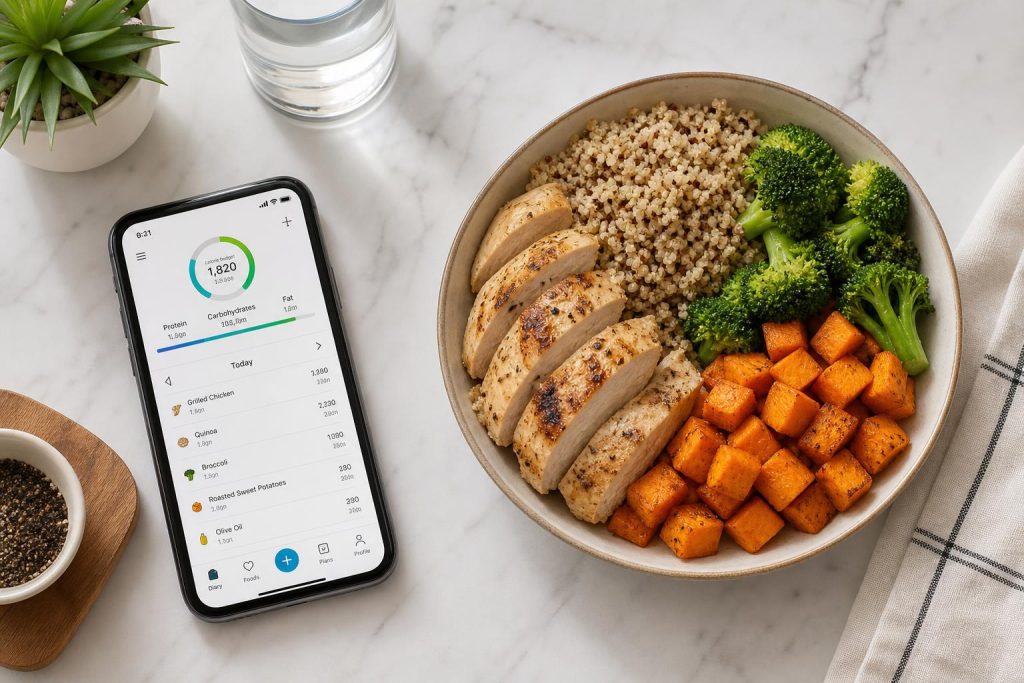
During low-appetite periods, the priority is nutrient density per bite. Foods like eggs, fatty fish, whole milk Greek yogurt, nut butters, and avocado pack substantial nutrition into small volumes without requiring you to force down a large plate. A 6-ounce serving of salmon with half an avocado and a handful of roasted sweet potato delivers roughly 40 grams of protein, high-quality omega-3 fatty acids, potassium, and complex carbohydrates in a meal that takes less than ten minutes to prepare and can be eaten in small portions over an hour if necessary. This kind of meal is infinitely more valuable than skipping eating entirely because nothing sounds appealing.
Meal timing and frequency also matter more when total intake is reduced. Studies on protein distribution show that spreading protein intake across three to four meals throughout the day produces superior muscle protein synthesis compared to consuming the same total amount in one or two large sittings. This is particularly relevant for tirzepatide users who might be tempted to eat once a day simply because they’re only hungry once. Aim instead for three moderate meals or two meals plus a high-protein snack — even if those meals are smaller than you’re accustomed to. Your muscle tissue responds to feeding frequency, not just total daily intake.
Carbohydrate choices during this phase should prioritize glycemic quality and fiber content. High-fiber carbohydrates have been shown to improve gut health, support satiety hormones, and reduce postprandial glucose spikes — all goals that align with tirzepatide’s mechanism of action. Foods like oats, lentils, black beans, sweet potatoes, quinoa, and roasted root vegetables provide sustained energy, meaningful fiber, and reasonable micronutrient profiles without the blood sugar volatility that refined carbohydrates create. Tirzepatide is already improving your insulin sensitivity; eating lower-glycemic carbohydrates compounds that benefit rather than working against it.
A practical daily structure that works well for most men on tirzepatide might look like this: a protein-forward morning meal around 7 to 9 a.m. built on eggs, cottage cheese, or Greek yogurt with berries; a midday meal between noon and 2 p.m. centered on lean protein with a vegetable base and a small portion of complex carbohydrate; and an evening meal between 6 and 8 p.m. that mirrors the same macronutrient structure with room for slightly more carbohydrate if training took place earlier in the day. Keeping a simple protein tracker — even just a rough mental count — helps ensure you’re hitting minimums on days when appetite is low. This isn’t about obsessive calorie counting; it’s about applying a minimum viable standard to your nutrition so the medication works with your physiology instead of against it.
Micronutrients, Hydration, and the Deficiencies Nobody Talks About
Dramatic caloric restriction — whether it’s self-imposed or medication-assisted — almost inevitably leads to micronutrient gaps. Research examining low-calorie diets has repeatedly found inadequate intake of vitamins D, B12, iron, magnesium, zinc, and calcium when total food volume drops significantly. Men on tirzepatide eating 1,200 to 1,600 calories per day are operating in a range where these deficiencies are a genuine concern, particularly if their reduced food intake is dominated by processed convenience foods rather than whole nutrient-dense options.
Magnesium deserves particular attention. It plays a role in over 300 enzymatic processes including glucose metabolism, muscle function, and protein synthesis — and studies estimate that up to 48% of Americans already consume less than the required daily amount under normal eating conditions. When food intake drops, that gap widens. Prioritizing magnesium-rich foods — dark leafy greens, pumpkin seeds, black beans, almonds, and dark chocolate — or using a quality magnesium glycinate supplement can help close this gap without adding significant calories. Similarly, zinc (found abundantly in oysters, red meat, and pumpkin seeds) supports testosterone levels, immune function, and wound healing — all of which are relevant to men who are training while in a caloric deficit.
Hydration is frequently overlooked by men on GLP-1 receptor agonists, partly because reduced food intake also means reduced water intake from food sources, and partly because nausea — a common side effect — can make drinking feel unappealing. Dehydration exacerbates fatigue, impairs cognitive function, and can make nausea worse in a feedback loop that’s hard to break. A practical strategy is to drink 16 to 20 ounces of water upon waking before any food, carry a water bottle with a marked capacity throughout the day, and use electrolyte-containing drinks (without sugar) to improve hydration efficiency. Adding sodium, potassium, and magnesium to your hydration strategy — either through food or an electrolyte supplement — becomes especially important when you’re eating less and potentially exercising regularly.
A quality multivitamin serves as reasonable nutritional insurance in this context, not as a replacement for food quality but as a backstop against the micronutrient gaps that are mathematically likely at low caloric intakes. Look for formulations that use methylated B vitamins (particularly methylcobalamin for B12 and methylfolate for B9) rather than synthetic forms, as absorption is meaningfully better. Vitamin D3 paired with K2, omega-3 fatty acids, and magnesium round out a short list of supplements worth considering when food intake is consistently low — not because supplements are glamorous, but because they’re practical insurance for men who are eating well below maintenance and asking their bodies to perform.
The Takeaway
Tirzepatide is a genuinely remarkable tool for metabolic health and fat loss — but the medication does the work of reducing your appetite, not the work of optimizing your nutrition. The men who get the best long-term results from this class of drug are the ones who treat reduced appetite as an opportunity to upgrade food quality, not as permission to eat poorly or barely at all. That means building every meal around protein, choosing carbohydrates that support blood sugar stability and gut health, staying deliberate about micronutrient intake, and maintaining enough meal frequency to support muscle protein synthesis throughout the day.
These aren’t principles unique to tirzepatide users. They’re the same principles that underpin successful fat loss and body composition improvement for any man, regardless of the tools he’s using. The medication lowers the caloric ceiling — your job is to make everything inside that ceiling count. Do that consistently, pair it with resistance training, and you’ll preserve the lean mass that makes the weight loss worth achieving in the first place. That’s not a temporary intervention. That’s a better way to eat, full stop.