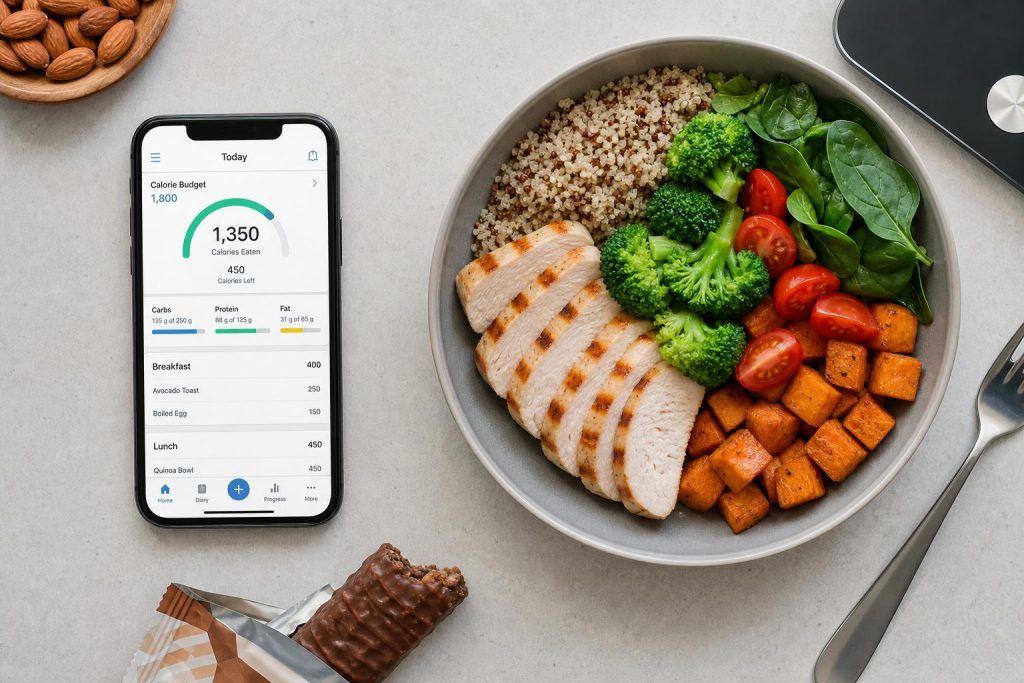
When you’re on a GLP-1 medication like Wegovy, eating enough protein becomes both more critical and more challenging at the same time. Semaglutide dramatically reduces appetite and overall caloric intake — a 2022 trial published in The New England Journal of Medicine showed participants losing an average of 14.9% of body weight over 68 weeks. The problem? A significant portion of that weight loss, without deliberate intervention, comes from lean muscle mass. Research has consistently shown that during aggressive caloric restriction, the body will sacrifice muscle tissue alongside fat — and that’s a trade-off no man should be willing to make.
Protein bars have become a go-to solution for men on Wegovy and similar medications who struggle to hit their protein targets through whole food alone. But not all protein bars are created equal. Some are little more than glorified candy bars wrapped in fitness branding. On a medication that already suppresses your appetite, every bite counts. You don’t have the luxury of wasting calories on bars that don’t deliver meaningful nutrition.
Why Protein Matters More When You’re Eating Less
The core issue for anyone in a significant caloric deficit — whether through medication, dieting, or both — is muscle preservation. Muscle tissue is metabolically expensive, which makes it a target for the body when energy intake drops sharply. A 2020 review in Advances in Nutrition found that higher dietary protein intakes during hypocaloric periods significantly attenuated lean mass loss compared to lower-protein approaches. The recommended target for men in a caloric deficit is generally 1.6 to 2.2 grams of protein per kilogram of bodyweight per day — a target that becomes extremely difficult to hit when you’re barely hungry enough to finish a full meal.
This is where a well-chosen protein bar can genuinely earn its place. It’s not about replacing meals or relying on processed food as a foundation — it’s about using a convenient, dense protein source to close the gap when appetite suppression makes it nearly impossible to eat enough. Think of it as a tool, the same way a protein shake is a tool: useful when used strategically, problematic when used as a crutch.
The other consideration specific to GLP-1 users is gastrointestinal tolerance. Wegovy slows gastric emptying, and many users report nausea, bloating, and general GI discomfort — especially in the early weeks. Certain protein bar ingredients can compound this. Sugar alcohols like maltitol and sorbitol, commonly used in low-carb bars, are known to cause significant digestive distress even in people without slowed gut motility. On Wegovy, they can be genuinely miserable. Studies on sugar alcohol fermentation in the gut confirm that these compounds are poorly absorbed in the small intestine and are rapidly fermented by colonic bacteria — leading to gas, bloating, and osmotic diarrhea. If you’re already dealing with semaglutide-induced nausea, a bar loaded with maltitol is the last thing you want.
What to Actually Look for in a Protein Bar on Wegovy
The first number to check on the label is protein content relative to total calories. A bar with 20 grams of protein in 200 calories is very different from one with 10 grams in 250 calories. Aim for bars where protein makes up at least 30 to 40 percent of total calories, using whey isolate, casein, or a blend of high-quality sources. Whey isolate in particular has a superior amino acid profile and high leucine content — and leucine is the key amino acid for triggering muscle protein synthesis. Research from the Journal of Physiology has identified leucine as the primary driver of the anabolic signaling cascade through mTOR activation, making the source of your protein just as important as the quantity.
Sugar content deserves honest attention. Many bars market themselves as healthy while containing 20 to 25 grams of added sugar — comparable to a standard candy bar. On a reduced appetite, this kind of sugar load can spike insulin, disrupt blood glucose, and crowd out more useful nutrients. Aim for bars with under 8 grams of sugar, ideally from natural sources, and be skeptical of anything where sugar or corn syrup appears in the first three ingredients.
Fiber is worth prioritizing too, though with a caveat. Soluble fiber from sources like chicory root or oats has been shown to support satiety and gut health, but extremely high fiber bars (15+ grams) can again cause bloating in men with slowed gastric emptying. A moderate 4 to 8 grams of fiber is a reasonable sweet spot. Keep total calorie count under 250 to 280 per bar — you’re using this as a supplement to your diet, not a meal replacement that anchors your nutrition.
In terms of brands that hit these benchmarks, options like Quest, RXBAR, and Barebells have developed solid reputations among GLP-1 users precisely because they use cleaner ingredient profiles. Quest uses soluble corn fiber rather than maltitol in most of their bars. RXBAR’s ingredient transparency (dates, egg whites, nuts — listed right on the front) makes it easy to evaluate. Barebells contains no sugar alcohols and uses a milk protein blend that digests well for most men. These aren’t endorsements — they’re examples of what good label hygiene looks like in practice.
The Takeaway
Wegovy and other GLP-1 medications are powerful tools for weight loss, but they create a real nutritional challenge: eating far less while simultaneously needing more protein to preserve the muscle that determines your long-term metabolic health. A quality protein bar — one with 20-plus grams of clean protein, minimal sugar, no sugar alcohols, and a tolerable fiber load — can bridge that gap without wrecking your gut. Read the label like it matters, because when you’re only eating a fraction of what you used to, it absolutely does.