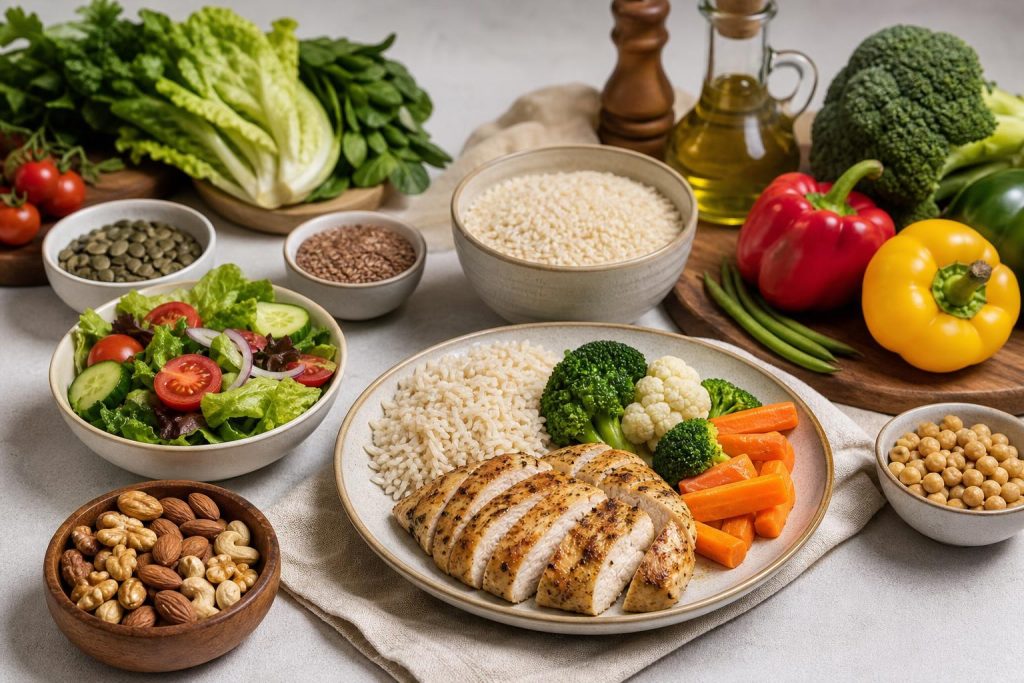
Most men who start Ozempic focus entirely on the injection — the dose, the schedule, the side effects. What they underestimate is that the needle is only half the equation. What you put on your plate in the weeks and months following that first shot will determine whether you lose mostly fat or mostly muscle, whether you feel energized or depleted, and whether the cardiovascular benefits researchers are now documenting actually materialize in your body.
This is not a medication that works in isolation. Semaglutide — the active compound in Ozempic — suppresses appetite powerfully, slows gastric emptying, and nudges your body toward a significant caloric deficit. But a caloric deficit alone does not discriminate between fat and muscle. Without a deliberate nutritional strategy, you risk losing the lean tissue that drives your metabolism, protects your joints, and defines your physique. The research is clear on this: how you eat while on a GLP-1 receptor agonist shapes the outcome as much as the drug itself.
There is also a broader story emerging in the science. A 2026 review published in Drugs in Context by Roy, Parent, Ducharme, and colleagues found that semaglutide and related GLP-1 receptor agonists do far more than reduce body weight — they lower inflammatory biomarkers, reduce the toxic fat surrounding the heart known as epicardial adipose tissue, improve kidney function, and help reverse cardiac stiffness in men with obesity-related heart conditions. The STEP-HFpEF and SUMMIT trials cited in that review showed patients walking farther, breathing easier, and being hospitalized less. These are not outcomes you achieve by simply eating less. They emerge when the medication is paired with a diet that reduces systemic inflammation, supports lean mass, and fuels metabolic recovery. That is exactly what this guide is built around.
The Protein Priority: Why Muscle Preservation Is Your First Nutritional Obligation
When Ozempic cuts your appetite by 20 to 40 percent, which is a realistic expectation for many men, the instinct is to eat whatever sounds tolerable and call it a win. That instinct is dangerous from a body composition standpoint. Studies on GLP-1 receptor agonists consistently show that a meaningful portion of weight lost on these medications can come from lean mass if protein intake is not deliberately prioritized. For men — who rely on muscle tissue not just for aesthetics but for insulin sensitivity, metabolic rate, and long-term mobility — this is a critical risk to manage.
The target most sports nutrition researchers and clinicians recommend is 0.7 to 1.0 grams of protein per pound of body weight per day, and on Ozempic this range becomes even more important because your total calorie intake is suppressed. You are working with a smaller nutritional window, which means every meal needs to carry more protein density. A 200-pound man should be targeting somewhere between 140 and 200 grams of protein daily — a number that requires intentional food selection, not casual eating.
Lean animal proteins are your most efficient vehicles. Chicken breast, turkey, eggs, Greek yogurt, cottage cheese, and white fish like cod or tilapia offer high protein per calorie, which matters when your stomach capacity is reduced and nausea is a possibility in the early weeks. Fatty fish like salmon and sardines carry the added benefit of omega-3 fatty acids, which directly address the inflammatory pathways that GLP-1 medications are also working to modulate. Ground beef and sirloin steak remain excellent choices for men who train — they deliver creatine, zinc, iron, and B12 alongside their protein load. Whey protein or a high-quality casein supplement can fill gaps on days when appetite suppression makes whole-food meals difficult to finish.
One practical note: because semaglutide slows gastric emptying, eating a very large protein-heavy meal in a single sitting can trigger nausea or extreme fullness. Distributing protein across three to four smaller meals throughout the day is both more comfortable and more effective for muscle protein synthesis. Your muscles can only use so much protein at one time — spreading intake evenly is the smarter play regardless of whether you are on medication.
What to Eat — and What to Eliminate — For Maximum Results
Beyond protein, the architecture of your diet on Ozempic should be built around foods that reduce inflammation, stabilize blood glucose, support gut health, and deliver micronutrients your body will need as it undergoes significant metabolic change. This is not about following a trendy protocol — it is about giving the medication the best possible environment to work in.
Non-starchy vegetables should anchor every meal you eat. Broccoli, spinach, kale, arugula, zucchini, asparagus, bell peppers, and Brussels sprouts are dense with fiber, polyphenols, and vitamins while being low in calories and easy on the digestive system. The fiber in these foods slows glucose absorption, feeds the beneficial bacteria in your gut microbiome, and helps you feel satisfied without large volumes of food. Men on semaglutide often find that vegetables become more tolerable than heavy grains or rich sauces — lean into that tendency.
Complex carbohydrates still have a role, particularly for men who train. The mistake is not eating carbohydrates — it is eating the wrong ones at the wrong times. White bread, ultra-processed snack foods, sugary cereals, and refined grains cause rapid blood glucose spikes followed by crashes that can amplify fatigue and cravings. On Ozempic, which already alters glucose metabolism, these swings are counterproductive. Instead, prioritize oats, sweet potatoes, quinoa, lentils, and legumes. These foods digest slowly, provide sustained energy, and come packaged with fiber and micronutrients that refined carbs simply cannot match. Time your carbohydrate intake around workouts if you are training — consuming them in the two-hour window surrounding exercise improves their utilization and reduces the likelihood they are stored as fat.
Healthy fats are essential and should not be feared. Avocados, olive oil, nuts, seeds, and fatty fish support testosterone production, reduce cardiovascular inflammation, and help with the absorption of fat-soluble vitamins like D, K, E, and A — all of which tend to be insufficiently consumed in men with metabolic dysfunction. The Mediterranean dietary pattern, which emphasizes these foods alongside lean proteins and vegetables, maps well onto what the research on GLP-1 medications is revealing about cardiovascular benefit. The same mechanisms that make semaglutide cardioprotective — reduced inflammation, improved endothelial function, lower visceral fat — are reinforced by a diet built on olive oil, fish, legumes, and colorful produce.
What you need to eliminate, or at minimum drastically reduce, is ultra-processed food. This category — which includes fast food, packaged snacks, frozen meals with long ingredient lists, and most commercially produced baked goods — is engineered to bypass satiety signals. Ozempic works partly by restoring those signals. Ultra-processed food actively undermines that mechanism. Beyond the appetite disruption, these foods drive the low-grade chronic inflammation that GLP-1 medications are trying to counter at the cardiovascular level. Eating a diet high in processed food while on semaglutide is not just nutritionally poor — it is working against the drug’s most meaningful long-term benefits.
Alcohol deserves a specific mention here. A 2025 pilot study published in Frontiers in Clinical Diabetes and Healthcare by Hirotsu, Taniguchi, Nishimura, and colleagues found that current alcohol drinking status was one of the key predictors of whether patients on oral semaglutide achieved their HbA1c targets. Men who drank regularly were significantly less likely to achieve blood sugar control goals compared to those who did not. Alcohol impairs glucose regulation, adds empty calories, disrupts sleep quality, and places additional burden on the liver — which is simultaneously managing the metabolic shifts driven by the medication. If you are serious about your results on Ozempic, reducing or eliminating alcohol is not optional advice. It is one of the highest-leverage dietary changes you can make.
Timing also matters more than most men realize. That same study identified the interval between taking oral semaglutide and eating breakfast as a clinically relevant predictor of outcomes — patients who respected the recommended fasting window before their first meal achieved better glycemic results. While this applies specifically to the oral formulation, the principle translates broadly: eating in a pattern that supports stable blood glucose, avoids extreme post-meal spikes, and respects your body’s satiety signals will consistently outperform chaotic or reactive eating habits regardless of your medication schedule.
Hydration is consistently underestimated on GLP-1 medications. Nausea and reduced appetite can lead men to drink less water, which compounds fatigue, impairs kidney function, and worsens constipation — one of the more common gastrointestinal side effects of semaglutide. Aim for a minimum of 80 to 100 ounces of water daily. Adding electrolytes, particularly sodium, potassium, and magnesium, becomes important if you are eating significantly less and sweating regularly through exercise. Many men find that what feels like medication side effects — headaches, low energy, muscle cramps — resolves substantially when hydration and electrolyte intake are corrected.
It is also worth addressing the psychological and behavioral dimension of eating on Ozempic. A 2026 nationally representative study published in the International Journal of Eating Disorders by Siegel, Mumford, Kresovich, and colleagues found that individuals who screened positive for eating disorder risk were significantly more likely to seek GLP-1 medications — including through telehealth channels without physician oversight. While this study skewed female in its findings, the underlying message applies to any man using a powerful appetite-suppressing medication: the way you relate to food matters. Ozempic can reduce hunger to the point where men skip meals entirely, eat too little protein, or develop a fear response to food because eating triggers nausea. None of these outcomes serve your health. The goal is to eat less strategically — not to stop eating meaningfully. Working with a registered dietitian, even for a few sessions early in your treatment, can help you build a structure that works with the medication rather than around it.
Supplements Worth Considering While on Ozempic
Because Ozempic reduces overall food intake, micronutrient gaps become a real concern over months of use. Men who eat significantly less than their baseline — which most Ozempic users do — risk falling short on B vitamins, iron, zinc, magnesium, vitamin D, and calcium. A high-quality multivitamin covers the basics, but a few targeted supplements deserve specific consideration.
Creatine monohydrate is arguably the single most evidence-supported supplement for men trying to preserve or build muscle during a caloric deficit. It supports muscle energy systems, has been shown in multiple trials to preserve lean mass during weight loss phases, and is safe for long-term use at doses of three to five grams per day. If you are training while on Ozempic — which you absolutely should be — creatine is a logical addition.
Magnesium glycinate or magnesium malate addresses what is one of the most common deficiencies in men eating reduced-calorie diets. Magnesium supports sleep quality, insulin sensitivity, muscle function, and stress regulation — all of which are relevant during the metabolic transition that GLP-1 therapy initiates. A dose of 200 to 400 milligrams at night is both practical and well-tolerated for most men.
Vitamin D with K2 rounds out the short list. Vitamin D deficiency is epidemic among men with obesity and metabolic dysfunction — the exact population most likely to be using Ozempic. Low vitamin D is associated with insulin resistance, poor immune function, reduced testosterone, and cardiovascular risk. Given that semaglutide’s cardiovascular benefits work through multiple inflammatory and metabolic pathways, ensuring adequate vitamin D status is a reasonable and low-cost intervention that supports the medication’s overall goal.
Omega-3 fatty acids, if you are not eating fatty fish three or more times per week, are worth supplementing at two to three grams of combined EPA and DHA daily. The anti-inflammatory effects of omega-3s reinforce the same cardiovascular remodeling pathways that GLP-1 receptor agonists activate — particularly the reduction of epicardial adipose tissue and systemic inflammation documented in recent cardiac trials.
The Takeaway
Ozempic is not a diet in a syringe. It is a metabolic tool — a powerful one — that works best when paired with a nutritional strategy built around protein sufficiency, whole foods, controlled carbohydrates, anti-inflammatory fats, and consistent hydration. The men who get the most from this medication are not the ones who simply eat less. They are the ones who eat better, train consistently, eliminate alcohol and ultra-processed food, and treat the reduced appetite as an opportunity to restructure their relationship with food rather than an excuse to stop thinking about it.
The science is pointing toward something important: the cardiovascular, metabolic, and body composition benefits of GLP-1 therapy are real and meaningful — but they are amplified by the dietary choices that surround the medication. Build your plate around lean protein, vegetables, smart carbohydrates, and healthy fats. Fill the gaps with targeted supplements. Respect the timing guidance your physician gives you. And treat this period not as a temporary intervention but as the foundation of a healthier metabolic life going forward.
Scientific References
-
Roy, Parent, Ducharme et al. (2026).
GLP1 receptor agonists in heart failure with preserved ejection fraction (HFpEF) – beyond weight loss: a condensed scientific review..
Drugs in context.
View on PubMed → -
Hirotsu, Taniguchi, Nishimura et al. (2025).
Exploring factors predicting the effectiveness of oral semaglutide in Japanese individuals with type 2 diabetes switching from dipeptidyl peptidase 4 inhibitors: a pilot study..
Frontiers in clinical diabetes and healthcare.
View on PubMed → -
Siegel, Mumford, Kresovich et al. (2026).
Eating Disorder Screen Results and GLP-1 Awareness, Interest, and Use in a Nationally Representative Sample of Adults in U.S. Households..
The International journal of eating disorders.
View on PubMed →