Tirzepatide — sold under the brand name Mounjaro for type 2 diabetes and Zepbound for weight loss — has produced some of the most dramatic fat loss results ever recorded in a clinical trial. The SURMOUNT-1 trial showed participants losing up to 22.5% of their body weight over 72 weeks, a figure that outpaced nearly every pharmacological intervention before it. But here’s what the trial data doesn’t tell you: what you eat while on tirzepatide can either amplify those results or turn your treatment into a miserable cycle of nausea, reflux, fatigue, and stalled progress.
This isn’t just about comfort. The foods you choose on tirzepatide directly influence how well the drug works, how much muscle you preserve during rapid fat loss, and whether you build metabolic habits that last beyond the prescription. Getting your nutrition right on this medication is as important as the medication itself.
Foods That Collide With How Tirzepatide Works
Tirzepatide is a dual GIP and GLP-1 receptor agonist, meaning it targets two gut hormones simultaneously to slow gastric emptying, suppress appetite, and improve insulin sensitivity. Research on GLP-1 receptor agonists has consistently shown that slowed gastric motility is one of the primary mechanisms behind both appetite reduction and nausea. This is critical context for understanding why certain foods become problems they never were before.
High-fat meals are among the worst offenders. Fat naturally slows gastric emptying on its own — pile that on top of a drug already doing the same thing, and you’re looking at food sitting in your stomach for hours. Fried foods, fast food, fatty cuts of red meat eaten in large portions, and heavy cream-based sauces can trigger intense nausea, bloating, and in some cases vomiting. Studies examining fat-induced gastric delay confirm that dietary fat content is one of the strongest predictors of how long a meal lingers in the stomach. On tirzepatide, that delay compounds dramatically.
Ultra-processed, high-glycemic carbohydrates present a different but equally significant problem. Foods like white bread, sugary cereals, pastries, candy, and sweetened drinks cause rapid blood glucose spikes — exactly the metabolic pattern tirzepatide is designed to blunt. When you eat these foods on the medication, you’re essentially fighting against the drug’s mechanism. Research on dietary glycemic load and insulin response makes clear that high-GI foods destabilize the blood sugar regulation that GLP-1 and GIP agonists work to restore. Beyond the pharmacological conflict, these foods are also calorie-dense and nutritionally hollow — a losing combination when your appetite is suppressed and every bite needs to count.
Alcohol deserves special attention. Tirzepatide slows the absorption of everything, including alcohol, which changes how intoxicated you feel and how long it lingers. More critically, alcohol is a significant driver of poor food choices, disrupts sleep quality, and research shows it directly impairs muscle protein synthesis — a major concern when you’re already at risk of losing lean mass during aggressive caloric restriction. Men on tirzepatide who are also training need to treat alcohol as a genuine threat to their body composition goals, not just a social inconvenience.
Spicy foods and acidic foods — hot sauces, citrus, tomato-based dishes — can worsen reflux and heartburn, side effects that tirzepatide can exacerbate due to its effects on lower esophageal sphincter pressure and gastric emptying. If you’re prone to GERD or notice heartburn increasing after starting the medication, these foods are worth eliminating or significantly reducing.
The Muscle Loss Problem Nobody Warns You About
One of the less-discussed consequences of rapid weight loss — whether from tirzepatide, aggressive dieting, or both — is the loss of lean muscle mass alongside fat. Analysis of body composition changes in GLP-1 trials has raised flags about the proportion of muscle lost relative to fat, particularly in patients not engaging in resistance training or eating adequate protein. This is where nutrition choices become non-negotiable.
On tirzepatide, your appetite is suppressed — sometimes profoundly so. The danger is that you end up eating too little protein, which accelerates muscle catabolism. The research on protein requirements during caloric restriction consistently points to higher intakes — in the range of 1.6 to 2.2 grams per kilogram of body weight — to preserve lean mass. Foods that displace protein in your diet are therefore a problem. If your reduced appetite is being satisfied by crackers, chips, white rice, or processed snacks, you’re missing the most important macronutrient window of your weight loss journey.
High-fiber vegetables eaten in excess at a single meal can also be counterproductive on tirzepatide, not because fiber is bad — it’s excellent for gut health and satiety — but because large volumes of raw cruciferous vegetables like broccoli, cauliflower, and cabbage can cause significant bloating and gas when digestion is already slowed. Cook your vegetables, eat moderate portions, and spread fiber intake across the day rather than loading it into one sitting.
What This Means For You
Tirzepatide is a powerful metabolic tool, but it operates within the same biological rules as everything else in nutrition. The foods that undermine your health without medication — ultra-processed carbs, excessive saturated fat, alcohol, empty calories — undermine your health more aggressively on it, because the drug narrows your margin for error. Every meal matters more when you’re eating less of them.
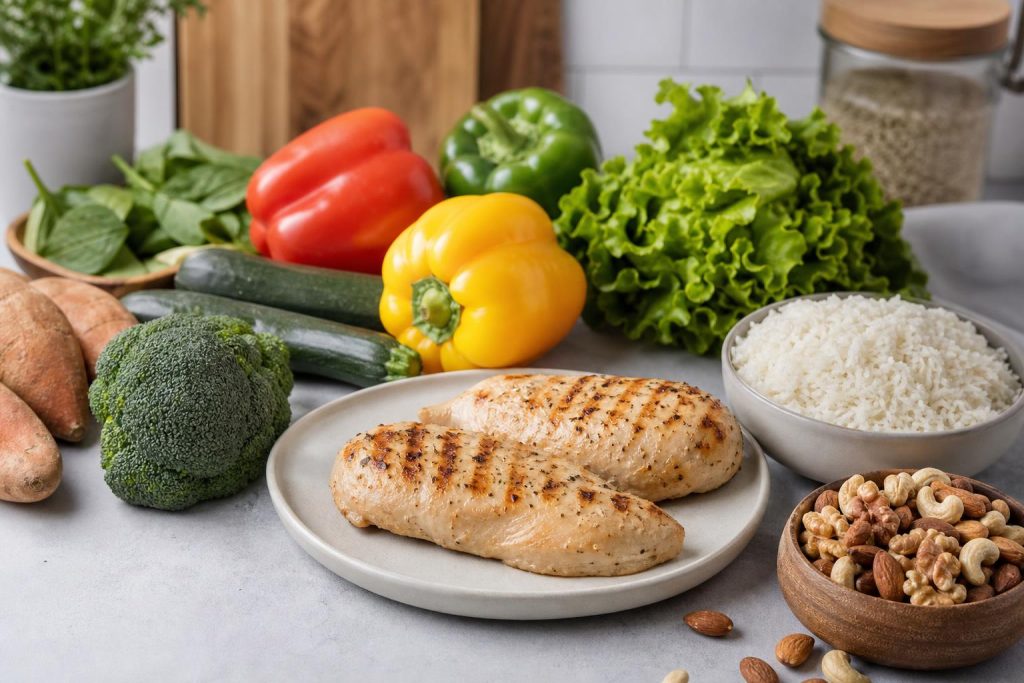
Prioritize lean proteins at every meal — eggs, Greek yogurt, chicken, fish, cottage cheese. Choose complex carbohydrates that digest slowly — oats, legumes, sweet potatoes. Keep fat sources moderate and clean — avocado, olive oil, nuts in controlled portions. Eat smaller meals more frequently if large portions trigger nausea. And stay hydrated, because dehydration is one of the most common and easily avoidable complications men experience on this medication.
The men who get the most out of tirzepatide — or any structured fat loss approach — are the ones who stop thinking about what they’re allowed to eat and start thinking about what their body actually needs. That shift in mindset is what separates temporary results from permanent ones.