When the SURMOUNT-1 trial published its findings in the New England Journal of Medicine, the numbers were striking: participants on tirzepatide lost up to 22.5% of their body weight over 72 weeks. But buried in the methodology was a detail most headlines ignored — every participant also followed a 500-calorie deficit diet and a structured exercise program. The medication was powerful, but the eating plan was doing real work alongside it. That distinction matters enormously if you want to actually use tirzepatide well, because what you put on your plate will determine whether you lose fat and keep muscle or simply lose weight and feel worse for it.
Tirzepatide works by activating both GIP and GLP-1 receptors simultaneously, a dual mechanism that slows gastric emptying, reduces appetite, and improves insulin sensitivity in ways that older single-receptor agonists simply cannot match. The practical consequence is that you will feel full faster, stay full longer, and have significantly less interest in food overall. That sounds like a straightforward win — and it mostly is — but the risk is that dramatically reduced appetite leads to dramatically reduced protein intake, which accelerates muscle loss alongside fat. Research published in Obesity found that without deliberate dietary structure, GLP-1-class medications can result in lean mass comprising a substantial portion of total weight lost. Building your meal plan around that single fact changes everything.
The Architecture of a Tirzepatide Meal Plan
The foundation of eating well on tirzepatide is protein — not as a preference, but as a non-negotiable structural priority. When appetite suppression is strong, protein is almost always the first macronutrient that gets crowded out, because high-protein foods require more effort and volume to eat than calorie-dense processed foods. The evidence is clear that men in a caloric deficit need somewhere between 1.6 and 2.4 grams of protein per kilogram of body weight to preserve lean mass, with research from the International Society of Sports Nutrition supporting the higher end of that range during aggressive fat loss phases. If you weigh 200 pounds, that means targeting 145 to 220 grams of protein per day — a meaningful challenge when your appetite is suppressed to a fraction of its normal level.
The practical solution is to restructure meals around protein first, then build everything else around it. Eggs, Greek yogurt, cottage cheese, chicken breast, ground turkey, canned fish, and whey or casein protein shakes are your workhorses here — foods that deliver dense protein in relatively small volumes. Because tirzepatide blunts hunger most aggressively in the morning for many users, a protein shake with 40 to 50 grams of protein is often far more achievable than a full breakfast plate. Later in the day, when appetite may slightly return, a proper meal of lean meat with vegetables and a serving of complex carbohydrates covers micronutrient needs without overwhelming a reduced stomach capacity.
Carbohydrates are not the enemy on tirzepatide — they are a tool for energy, training performance, and adherence. Given the medication’s powerful effect on insulin sensitivity and glucose regulation, pairing carbohydrates with protein and fiber helps blunt postprandial glucose spikes and supports steady energy. Practical carbohydrate choices include oats, sweet potatoes, rice, legumes, and fruit — all of which also contribute meaningful micronutrients and fiber that support gut health. Dietary fiber intake has been independently associated with improved glycemic control and satiety, making high-fiber carbohydrates a natural complement to tirzepatide’s mechanism. Aim for 25 to 35 grams of fiber daily, which most men fall well short of without intentional planning.
Fat intake should be moderate and quality-focused. The gastrointestinal side effects of tirzepatide — nausea, bloating, and reflux — are significantly worsened by high-fat meals, particularly fried foods and heavy cream-based dishes. Gastric emptying rate is already slowed by tirzepatide, and a high-fat meal compounds that delay, increasing discomfort substantially. Olive oil, avocado, fatty fish, and nuts provide the essential fatty acids and fat-soluble vitamins you need without the gastric load of ultra-processed fats. Keep individual meals relatively small and well-spaced — three structured meals with one optional protein-focused snack tends to work better than two large meals that overwhelm a suppressed system.
Structuring the Week: Sample Framework and What to Avoid
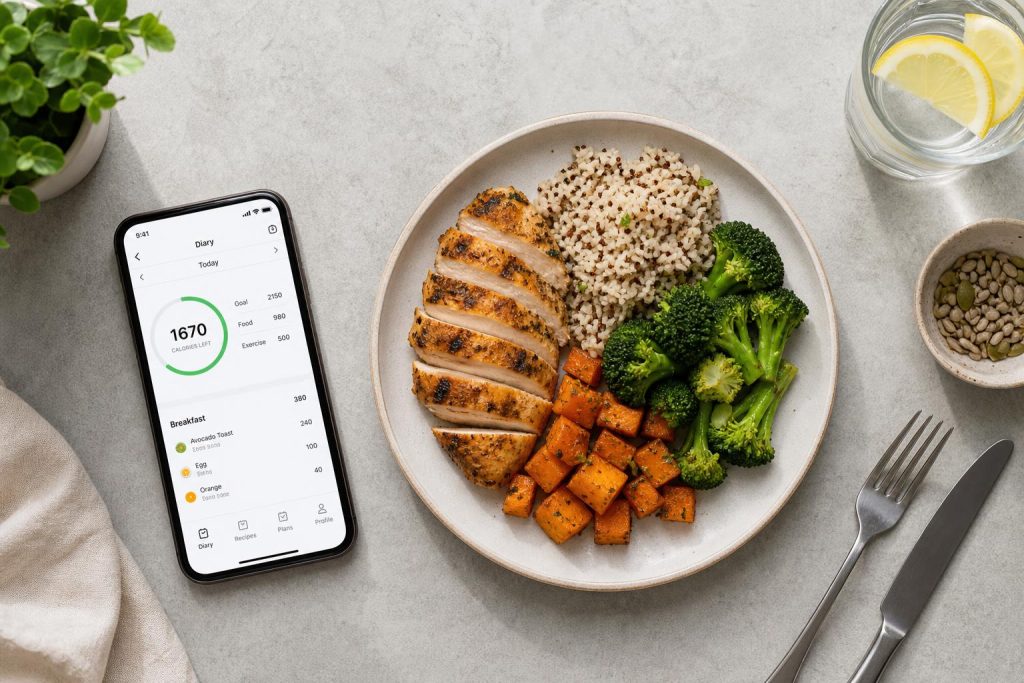
A functional weekly eating framework on tirzepatide is not dramatically different from a well-designed fat-loss diet for any man — the difference is in portion architecture and meal timing adjustments made to accommodate reduced appetite. Breakfast leans on liquid or semi-liquid protein sources: a protein shake, Greek yogurt with berries, or scrambled eggs with a small portion of oats. Lunch is typically the most productive meal for a proper plate — four to six ounces of lean protein, a cup or two of vegetables, and a serving of complex carbohydrates. Dinner mirrors lunch with slight variation for palatability and micronutrient diversity.
What actively works against you on tirzepatide is the category of foods that are calorically dense but nutritionally hollow — ultra-processed snacks, alcohol, sugary drinks, and fast food. These are problematic not just because they displace nutrition but because they tend to be the only foods that remain appealing when appetite is significantly suppressed. The hedonic reward pathways that drive cravings for hyper-palatable foods are not fully blunted by GIP/GLP-1 receptor activation, meaning many users find their appetite is low for everything except the foods they should be minimizing. Building a meal plan in advance — even just knowing what you will eat for the next three days — removes that decision-making from a moment when willpower is competing with food engineering.
Hydration is an underappreciated variable. Tirzepatide users frequently undereat and underdrink simultaneously, and mild dehydration compounds fatigue, headaches, and constipation — side effects that are already possible from the medication itself. Targeting three liters of water daily, distributed throughout the day rather than consumed with meals, supports digestion and helps differentiate true hunger signals from thirst.
The Takeaway
Tirzepatide is a genuinely powerful metabolic tool, but a meal plan is what converts that pharmacological advantage into lasting, muscle-preserving fat loss. The PDF you download or the plan you build from scratch needs to do one thing above all else: guarantee adequate protein every single day, regardless of how suppressed your appetite feels. Stack that with fiber-rich carbohydrates, quality fats in moderate amounts, and consistent hydration, and you have a nutritional framework that supports everything the medication is trying to do — rather than leaving results on the table because hunger was low and planning was absent.