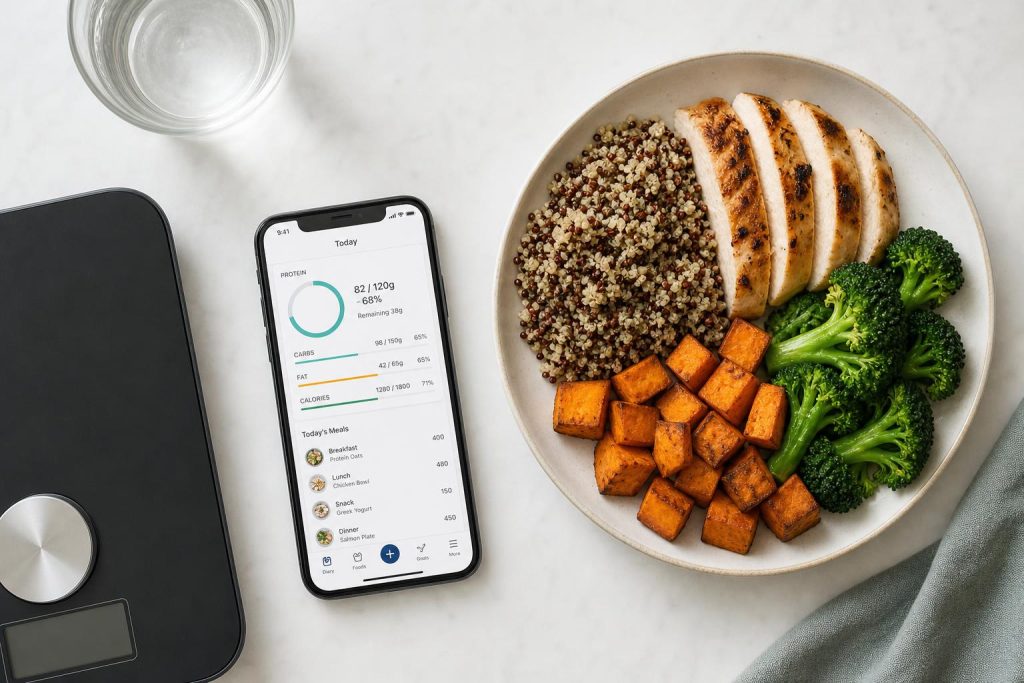
Here’s the problem nobody talks about when men start semaglutide: the drug works almost too well. Appetite drops dramatically, the scale moves, and then — quietly — so does muscle mass. Research published in Diabetes Care found that participants on semaglutide lost a significant proportion of lean mass alongside fat, a pattern that becomes a serious liability if protein intake isn’t actively defended. You’re not eating much. And what little you are eating probably isn’t 160 grams of chicken breast.
This isn’t a problem unique to GLP-1 users — any man in a caloric deficit faces the same muscle-preservation challenge. But semaglutide creates a particularly aggressive appetite suppression that makes hitting protein targets feel almost impossible on some days. The solution isn’t willpower. It’s strategy.
Why Protein Becomes the Priority
When calories drop sharply, your body doesn’t just burn fat. It accelerates muscle protein breakdown, especially without an adequate amino acid supply and a training stimulus to signal otherwise. Studies consistently show that protein intakes of 1.6 to 2.2 grams per kilogram of bodyweight are necessary to preserve lean mass during a caloric deficit — that’s roughly 0.7 to 1 gram per pound of bodyweight for most men. For a 200-pound man, that’s 140 to 200 grams of protein daily. When you’re eating two small meals and feeling full after six bites, that number starts to feel impossible.
The key insight is that protein doesn’t have to come from volume. It needs to come from density. Swapping a large salad for Greek yogurt, cottage cheese, or a lean protein shake isn’t a dietary failure — it’s smart calorie engineering. Protein also has the highest thermic effect of any macronutrient, meaning your body burns more calories digesting it, which makes it the last thing you want to cut when food intake is already compressed.
Practical Ways to Front-Load Protein on Low Appetite
The most effective shift you can make is prioritizing protein at the very first eating opportunity of the day — before appetite suppression peaks, which for most semaglutide users hits hardest by midday. Starting with eggs, Greek yogurt, cottage cheese, or a high-quality whey protein shake lets you bank 40 to 60 grams before the nausea or fullness sets in. Research demonstrates that distributing protein evenly across meals — rather than concentrating it at dinner — maximizes muscle protein synthesis over a 24-hour period, so spreading intake across two to three small protein-focused meals beats one large evening meal.
Liquid protein is your best friend here. A well-formulated whey isolate shake delivers 25 to 30 grams of protein with minimal volume, minimal digestive load, and no bloating. On days when solid food feels unappealing, a shake blended with water or milk is often tolerated when a full meal isn’t. Whey protein in particular is rich in leucine, the amino acid most responsible for triggering muscle protein synthesis, making it a particularly efficient choice when total food intake is limited. Beyond shakes, high-protein convenience foods — edamame, hard-boiled eggs, string cheese, low-fat deli meats, canned tuna — give you fast protein with minimal prep or appetite required.
It’s also worth timing your eating window around your training. Resistance training is the most powerful signal you can send your body to preserve muscle during a deficit. Combining adequate protein intake with progressive resistance training significantly reduces fat-free mass loss during weight loss interventions — more so than either strategy alone. If you can eat a protein-rich meal or shake within two hours of lifting, you’re giving your muscles the raw material they need when they’re most receptive to using it.
The Takeaway
Semaglutide creates a unique nutritional challenge — not because of what it does to your metabolism, but because of what it does to your motivation to eat. The drug doesn’t care whether you’re losing fat or muscle. That’s your job. By shifting to protein-dense, low-volume foods, front-loading intake early in the day, leaning on quality shakes when appetite fails, and pairing all of it with consistent resistance training, you can protect the muscle you’ve built while the medication does its work on the fat. The appetite suppression is a feature. Losing muscle doesn’t have to be.