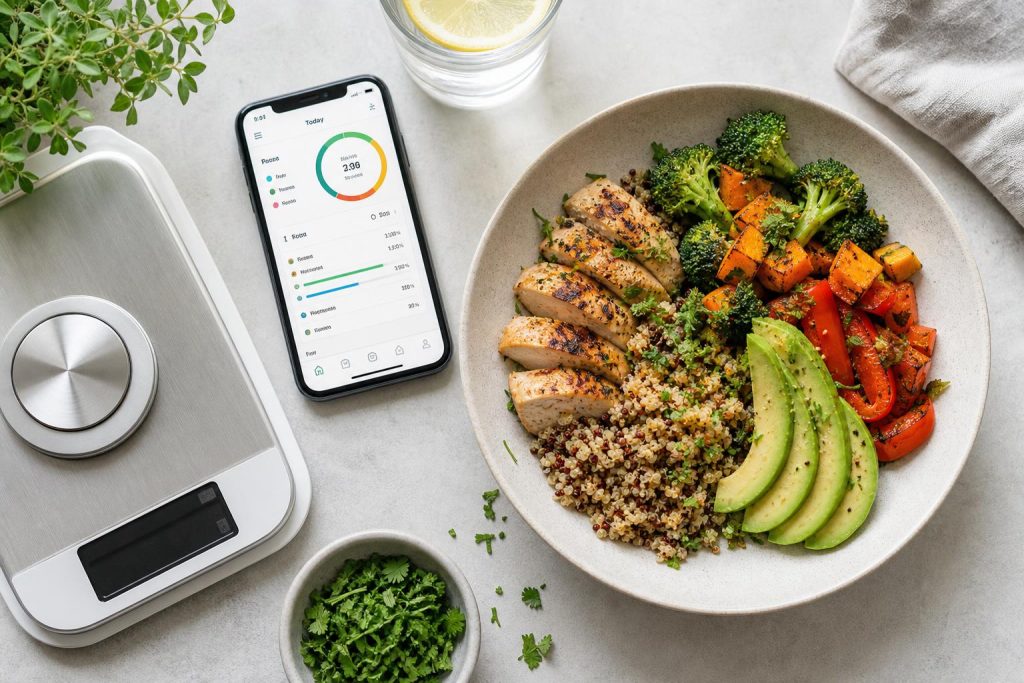
When researchers at the University of Leeds studied appetite regulation in men on GLP-1 receptor agonists, they found something that applies far beyond the medication itself: high-protein, nutrient-dense meals consistently outperformed calorie-restricted low-protein diets for preserving lean mass during weight loss. Whether you’re on semaglutide, tirzepatide, or simply eating with intention, the same nutritional principles drive results. Small portions. High protein. Maximum nutrient density per bite. That’s the architecture behind every recipe and meal strategy in this guide.
The challenge most men face — GLP-1 user or not — is that eating less doesn’t automatically mean eating better. Reduced appetite is only an advantage if the food you do eat is pulling serious metabolic weight. A 400-calorie meal built around Greek yogurt, eggs, and spinach does something fundamentally different in your body than a 400-calorie meal from a protein bar and a handful of crackers. Research consistently shows that protein-rich meals increase satiety hormones like peptide YY and GLP-1 itself, which means even men not on medication can amplify their own natural appetite regulation just through smarter food choices.
What a GLP-1-Friendly Meal Actually Looks Like
The ideal meal for anyone managing reduced appetite — whether that’s medication-induced or just disciplined eating — is compact, protein-forward, and rich in micronutrients. Think 30 to 40 grams of protein, moderate healthy fat, and enough fiber to slow digestion without causing bloating or discomfort. Volume matters too. Studies on gastric emptying show that large, high-fat meals can cause significant nausea in GLP-1 users, which means portion-controlled, lower-fat preparations are worth prioritizing at least early on.
A practical breakfast that checks every box: two whole eggs scrambled with three egg whites, half an avocado, a handful of baby spinach wilted in the pan, and a side of cottage cheese. That combination lands around 38 grams of protein, delivers leucine from both eggs and dairy to trigger muscle protein synthesis, and keeps total volume low enough to feel comfortable even with a suppressed appetite. Leucine threshold research suggests that hitting 2.5 to 3 grams of leucine per meal is critical for activating mTOR and preserving muscle during a caloric deficit — a threshold this meal easily meets.
For lunch, a simple ground turkey bowl works exceptionally well. Cook four ounces of 93% lean ground turkey with garlic, cumin, and a squeeze of lime. Serve it over half a cup of cauliflower rice with sliced cucumber, a tablespoon of tahini, and a few cherry tomatoes. The result is a meal under 450 calories with roughly 35 grams of protein, a clean fat source from tahini, and enough micronutrient diversity to matter. The cauliflower rice keeps the carbohydrate load minimal without eliminating the satisfying texture of a grain bowl.
Dinner for men eating at reduced volume should emphasize slow-digesting protein and vegetables over heavy starches. A baked salmon fillet — roughly five ounces — with roasted asparagus and a small serving of lentils hits omega-3 fatty acids, complete protein, and prebiotic fiber in a single plate. Omega-3s from fatty fish have been shown to reduce inflammatory markers and support insulin sensitivity, making them a smart staple regardless of how you’re managing your diet. The lentils provide resistant starch that feeds beneficial gut bacteria and blunts post-meal glucose spikes without requiring a large serving to be effective.
Protein Timing and Snacking Strategy
When overall food intake drops — whether by design or medication — snacking strategy becomes surprisingly important. The goal isn’t to graze constantly but to ensure that protein is distributed across the day rather than concentrated in one large meal. Research on muscle protein synthesis shows that spreading protein intake across three to four meals optimizes muscle retention far better than consuming the same total in one or two sittings. A practical between-meal option: full-fat Greek yogurt with a tablespoon of almond butter and a few walnuts. It’s dense in protein and healthy fat, requires no preparation, and lands under 250 calories.
Hydration also deserves a mention here. GLP-1 users in particular are at higher risk of mild dehydration because reduced food intake means less water from food sources. Aim for consistent fluid intake throughout the day, and consider electrolyte supplementation if you’re also training. Sodium, potassium, and magnesium losses accelerate during fat loss phases regardless of the approach you’re using.
The Takeaway
Eating less only works if what you eat still does the job — protecting muscle, delivering micronutrients, and keeping your metabolism functional. The recipes and principles here aren’t exclusive to any one approach. They work for the GLP-1 user navigating a suppressed appetite, the intermittent faster eating in a tight window, and the lifter trying to stay lean while building. High protein, smart fat, minimal processing, and consistent meal timing are the non-negotiables. The specific food on your plate is just execution.