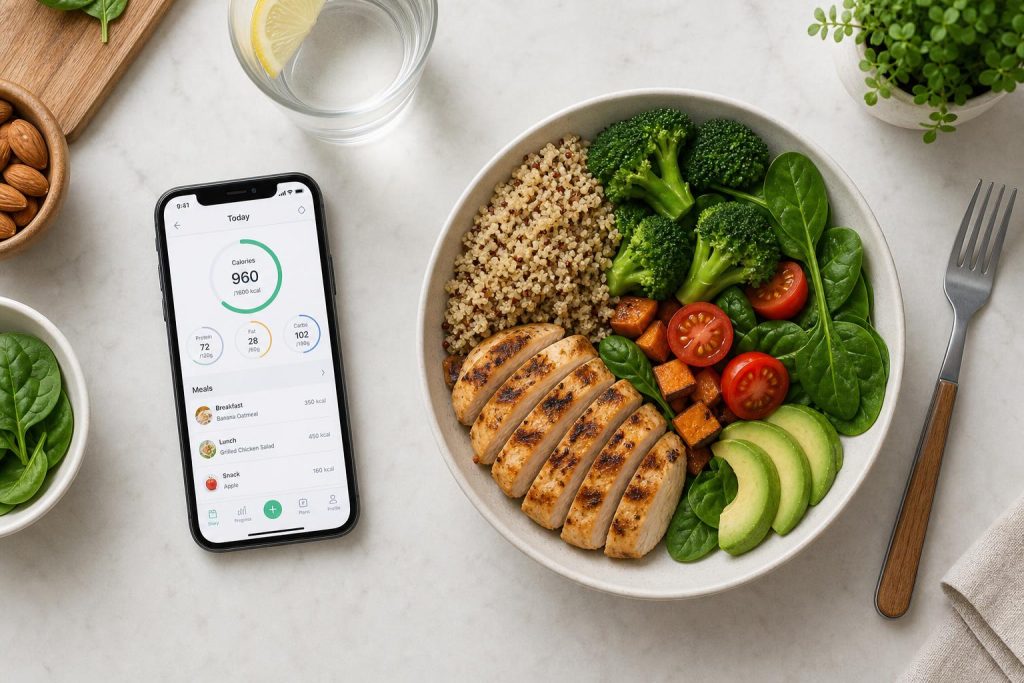
Ozempic doesn’t work in a vacuum. The men seeing the best results — the ones actually keeping the weight off, preserving muscle, and feeling better than they have in years — aren’t just relying on a weekly injection. They’re eating strategically. And understanding why that matters starts with understanding what semaglutide actually does to your appetite, your digestion, and your relationship with food.
Semaglutide, the active compound in Ozempic, works by mimicking the GLP-1 hormone, slowing gastric emptying and dramatically reducing appetite. Research on oral semaglutide confirms meaningful improvements in both HbA1c and body weight across real-world populations — but outcomes vary significantly based on behavioral factors, including what and when patients eat. That variance isn’t random. It’s a signal that food choices matter more on this medication, not less.
The reduced appetite Ozempic creates is a tool, not a free pass. Eat the wrong things in smaller quantities and you’ll still fall short — losing muscle instead of fat, running low on critical micronutrients, and setting yourself up for rebound once the medication changes. Here’s how to use food as the strategic lever it’s meant to be.
Prioritize Protein Above Everything Else
This is the single most important nutritional principle for any man on Ozempic. When you’re eating significantly less — which most GLP-1 users do — your body needs a clear signal to hold onto muscle tissue rather than catabolize it for energy. That signal is dietary protein. Aim for a minimum of 0.7 to 1 gram of protein per pound of bodyweight daily, even if your appetite is suppressed and hitting that number takes conscious effort.
Lean animal proteins are your best tools here: chicken breast, eggs, Greek yogurt, cottage cheese, salmon, lean beef, and whey protein. These are calorically efficient, highly satiating, and deliver the full spectrum of essential amino acids your muscles need to survive a caloric deficit. If you find your appetite so blunted that whole food meals feel difficult, a high-quality whey or casein protein shake can bridge the gap without overwhelming your digestive system — which, while on Ozempic, tends to be more sensitive than usual.
Beyond muscle preservation, protein is the most thermogenic macronutrient, meaning your body burns more calories digesting it than it does fat or carbohydrates. For men trying to maximize fat loss without sacrificing lean mass, this matters enormously. Don’t let reduced hunger become an excuse to eat 800 calories of crackers and call it a day. Be deliberate. Protein first, always.
Build Meals Around Whole Foods, Not Volume
Because your stomach empties more slowly on Ozempic, and because nausea is a common early side effect, high-fat, heavily processed, and ultra-rich meals tend to hit harder and feel worse. Greasy fast food, deep-fried anything, and large portions of refined carbohydrates can amplify nausea and gastrointestinal discomfort significantly. This isn’t just anecdotal — it’s consistent with how GLP-1 receptor agonists slow gastric motility, meaning food sits longer and anything that’s already hard to digest becomes genuinely uncomfortable.
The practical answer is building meals around whole, minimally processed foods: vegetables, legumes, fruits, whole grains, lean proteins, and healthy fats like avocado and olive oil. These foods are nutrient-dense relative to their calorie load, which matters when you’re eating less overall. A 500-calorie meal built around grilled salmon, roasted vegetables, and quinoa delivers vastly more nutritional value than 500 calories of white bread and processed cheese.
Fiber deserves special mention here. Soluble fiber from foods like oats, beans, lentils, and chia seeds supports gut health and helps regulate blood sugar — a particularly relevant benefit given that many Ozempic users are managing insulin resistance or type 2 diabetes. Aim for 25 to 35 grams of fiber daily from food sources rather than supplements where possible. Hydration matters too: dehydration is more common on GLP-1 medications, and inadequate fluid intake worsens constipation, a side effect that affects a meaningful percentage of users. Eight to ten cups of water daily is a reasonable baseline, more if you’re training.
The research on GLP-1 medications extends well beyond weight loss. A 2026 scientific review highlighted that semaglutide reduces systemic inflammation, improves cardiac function, and targets visceral adipose tissue — the metabolically dangerous fat stored around the organs. The foods that support these outcomes are, unsurprisingly, the same anti-inflammatory whole foods that have always formed the foundation of evidence-based nutrition: colorful vegetables, omega-3-rich fish, nuts, seeds, and legumes.
Manage Timing, Alcohol, and Hidden Patterns
When you eat matters more than most people realize. The research on oral semaglutide specifically identified the timing between medication administration and breakfast as a meaningful predictor of treatment outcomes — with longer fasting windows before the first meal associated with better results. While injection-based Ozempic operates differently than the oral form studied, the broader principle holds: giving the medication time to act before introducing food, and not eating immediately before bed, supports better metabolic outcomes.
Alcohol is another variable worth addressing directly. The same research flagged current alcohol use as a significant factor in reduced treatment effectiveness. This isn’t surprising — alcohol is calorie-dense, suppresses fat oxidation, disrupts sleep, and amplifies the nausea side effects of semaglutide. It also impairs the discipline and decision-making that make the dietary changes above actually happen. Reducing or eliminating alcohol during Ozempic treatment is one of the highest-leverage behavioral changes a man can make.
One final consideration worth raising: national survey data shows that GLP-1 medications are increasingly sought by individuals with disordered eating patterns. If your relationship with food feels chaotic, restrictive, or emotionally charged, it’s worth discussing that with a clinician before or alongside using Ozempic. The medication can reduce appetite, but it doesn’t resolve underlying patterns — and combining significant caloric restriction with existing food-related anxiety can create problems. A solid nutritional foundation isn’t just about macros. It’s about building a sustainable, sane approach to eating that serves your long-term health.
What This Means For You
Ozempic is a powerful metabolic tool. But the men who get the most out of it are the ones who treat the medication as a lever, not a solution. Eat enough protein to protect your muscle. Build meals around whole foods that your body can actually use. Manage your alcohol intake, pay attention to meal timing, and stay hydrated. These aren’t complex instructions — they’re the fundamentals that support fat loss, metabolic health, and longevity regardless of whether you’re on a GLP-1 or not. The medication changes your appetite. You still control what you put on your plate.
Scientific References
-
Hirotsu, Taniguchi, Nishimura et al. (2025).
Exploring factors predicting the effectiveness of oral semaglutide in Japanese individuals with type 2 diabetes switching from dipeptidyl peptidase 4 inhibitors: a pilot study..
Frontiers in clinical diabetes and healthcare.
View on PubMed → -
Roy, Parent, Ducharme et al. (2026).
GLP1 receptor agonists in heart failure with preserved ejection fraction (HFpEF) – beyond weight loss: a condensed scientific review..
Drugs in context.
View on PubMed → -
Siegel, Mumford, Kresovich et al. (2026).
Eating Disorder Screen Results and GLP-1 Awareness, Interest, and Use in a Nationally Representative Sample of Adults in U.S. Households..
The International journal of eating disorders.
View on PubMed →