When semaglutide drives nearly 9 kilograms of average weight loss in people with obesity, the celebration tends to overshadow a critical question: what exactly is coming off? Fat loss is the goal, but without the right protein intake, a meaningful portion of that lost weight can be lean muscle — and that’s a trade-off no man should be willing to make.
Semaglutide works by mimicking glucagon-like peptide-1, a gut hormone that slows gastric emptying, suppresses appetite, and reduces caloric intake through central nervous system signaling. GLP-1 receptor agonists like semaglutide represent a genuine paradigm shift in obesity treatment, producing weight losses of 15% or more in clinical settings. But the mechanism that makes semaglutide so effective — profound appetite suppression — is also what creates its most underappreciated nutritional risk. When you’re eating significantly less food, you’re also eating significantly less protein, and that shortfall has real consequences for your muscle mass, metabolism, and long-term results.
Why Protein Becomes the Priority on Semaglutide
The research on GLP-1 medications and body composition tells a nuanced story. While these drugs reliably reduce total body weight, studies suggest that a substantial portion of that loss — sometimes exceeding 30% — can come from lean mass rather than pure fat. This isn’t unique to GLP-1s; it happens with any aggressive caloric deficit. But semaglutide’s appetite-suppressing potency means men can easily drift into 500 to 1,000 calorie daily deficits without feeling hungry or recognizing the nutritional gap they’re creating.
Muscle mass isn’t just about aesthetics. It drives your resting metabolic rate, supports insulin sensitivity, protects joints, and is directly tied to long-term health outcomes in men. Precision obesity medicine frameworks increasingly emphasize preserving lean mass alongside resistance training and adequate protein intake, particularly as anti-obesity medications become more widely used. Getting your protein goal right isn’t optional — it’s the difference between emerging from a semaglutide course leaner and stronger versus lighter but metabolically weaker.
The general protein recommendation for sedentary adults — 0.8 grams per kilogram of body weight — is wholly inadequate for men in a significant caloric deficit. The evidence-based target for muscle preservation during weight loss sits between 1.6 and 2.2 grams of protein per kilogram of target body weight daily. For a 220-pound man aiming to reach 190 pounds, that works out to roughly 138 to 190 grams of protein per day. If you’re actively resistance training — which you should be — trending toward the higher end of that range is the smarter move. Some researchers argue that during aggressive deficits, intake closer to 2.4 to 3.0 grams per kilogram is warranted to fully offset muscle protein breakdown.
How to Actually Hit Your Protein Target on a Suppressed Appetite
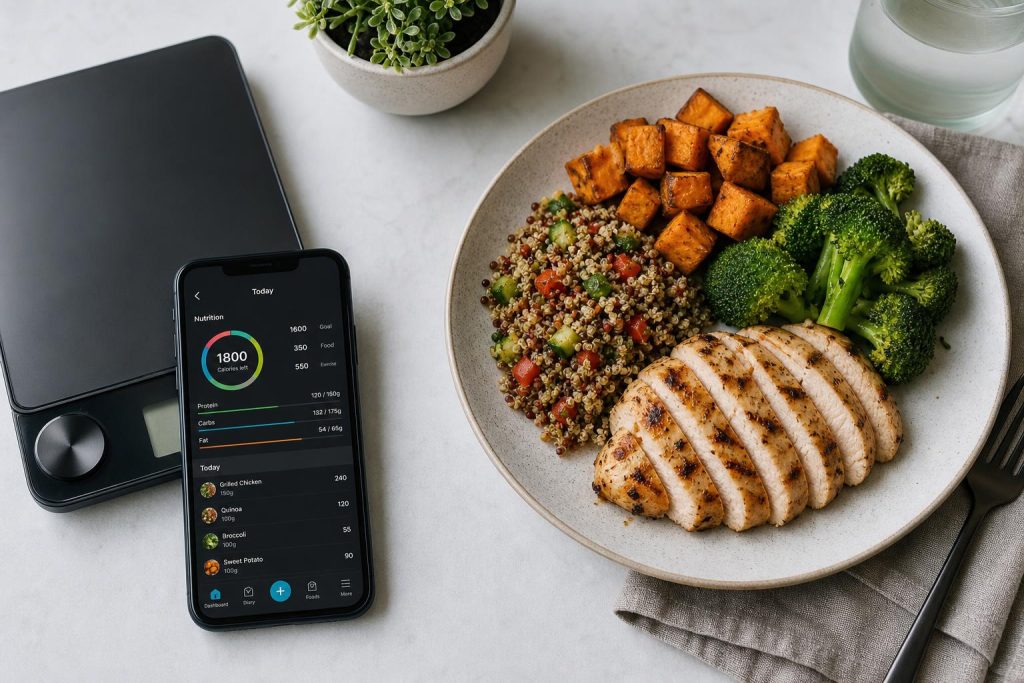
This is where semaglutide users face a practical wall. When nausea, early satiety, and reduced hunger are part of your daily reality, eating 160 grams of protein feels borderline impossible. The solution isn’t to force large meals — it’s to engineer a high-protein diet into the small eating windows and modest portions that semaglutide naturally creates.
Prioritizing protein at every eating occasion is non-negotiable. That means building meals around a dense protein source first — eggs, Greek yogurt, cottage cheese, chicken, fish, lean beef, or whey protein — before anything else reaches the plate. When stomach volume is limited, carbohydrates and fats should be earned only after protein targets are met. Liquid protein sources become particularly valuable here: a well-formulated whey or casein shake can deliver 30 to 40 grams of protein in a format that clears the stomach easily and doesn’t trigger the nausea that solid food sometimes can on GLP-1 therapy.
Meal timing also matters more than most men realize. Spreading protein intake across three to four eating occasions — rather than concentrating it in one or two large meals — maximizes muscle protein synthesis throughout the day. Research consistently shows that the body can only effectively utilize roughly 30 to 40 grams of protein for muscle building per meal, making distribution a practical performance variable, not just a theoretical one.
Resistance training compounds everything. Clinical frameworks for obesity pharmacotherapy consistently pair anti-obesity medications with resistance training as a cornerstone of lean mass preservation. Two to four sessions of progressive overload training per week sends a powerful anabolic signal that tells the body to hold onto muscle even as calories drop. Protein without training is suboptimal. Training without protein is worse. Together, they form the single most evidence-based strategy for protecting your physique and metabolic health on semaglutide.
The Takeaway
Semaglutide is a powerful tool — but it’s not a complete strategy on its own. The drug handles appetite and caloric intake; you have to handle protein and training. Aim for a minimum of 1.6 grams of protein per kilogram of your goal body weight daily, prioritize protein at every meal, lean on liquid protein sources when solid food is difficult, and get in the weight room consistently. The men who come out of semaglutide therapy looking and performing their best aren’t just the ones who lost the most weight — they’re the ones who protected their muscle along the way.
Scientific References
-
France, Syed et al. (2024).
Tirzepatide: A Review in Type 2 Diabetes..
Drugs.
View on PubMed → -
Holst et al. (2024).
GLP-1 physiology in obesity and development of incretin-based drugs for chronic weight management..
Nature metabolism.
View on PubMed → -
Ansari, Qazi, Sajid et al. (2024).
Efficacy and Safety of Glucagon-Like Peptide-1 Receptor Agonists on Body Weight and Cardiometabolic Parameters in Individuals With Obesity and Without Diabetes: A Systematic Review and Meta-Analysis..
Endocrine practice : official journal of the American College of Endocrinology and the American Association of Clinical Endocrinologists.
View on PubMed → -
Frias, Hsia, Eyde et al. (2023).
Efficacy and safety of oral orforglipron in patients with type 2 diabetes: a multicentre, randomised, dose-response, phase 2 study..
Lancet (London, England).
View on PubMed → -
Tuccinardi, Masi, Watanabe et al. (2025).
Precision obesity medicine: A phenotype-guided framework for pharmacologic therapy across the lifespan..
Journal of endocrinological investigation.
View on PubMed →