There’s a quiet revolution happening at the dinner table. Men on GLP-1 receptor agonists like semaglutide and tirzepatide are reporting something unexpected: they’re no longer hungry, but they’re also not sure what to eat. That intersection — reduced appetite meeting genuine nutritional need — is where meal planning becomes critical. But here’s the thing: the principles that make a GLP-1 meal plan effective aren’t exclusive to medication users. Research published in Cell Metabolism confirmed that high-protein, fiber-rich dietary patterns improve satiety signaling, preserve lean mass during caloric restriction, and support metabolic health regardless of whether a drug is involved. If you’re eating to lose fat, protect muscle, and feel sharp — this approach works for you too.
The core challenge for GLP-1 users specifically is volume. These medications dramatically slow gastric emptying and suppress appetite, meaning a man who once ate 2,800 calories can now feel satisfied on 1,400. That sounds like a win, and for fat loss it often is — but eating too little of the wrong things accelerates muscle loss, micronutrient deficiency, and fatigue. A 2022 trial in Diabetes Care found that participants on semaglutide who did not follow a structured, protein-forward eating plan lost significantly more lean mass compared to those who combined the medication with intentional dietary habits. The meal plan isn’t optional — it’s the mechanism that makes the medication or the caloric deficit actually work in your favor long-term.
The Nutritional Architecture of an Effective Meal Plan
Whether you’re on a GLP-1 or not, the structural foundation of any fat-loss, muscle-preserving diet looks similar: adequate protein spread across meals, fiber-dense carbohydrates that slow digestion, and enough healthy fat to support hormones without excess calories. Studies have consistently shown that a protein intake of 1.6 to 2.2 grams per kilogram of body weight is the sweet spot for maintaining muscle during a caloric deficit. For a 200-pound man, that’s roughly 145 to 200 grams of protein per day — a target that requires intentional meal construction, not casual eating.
For GLP-1 users eating smaller meals, protein density becomes paramount. You can’t rely on volume to hit your targets, so every bite needs to carry nutritional weight. This means prioritizing foods like Greek yogurt, eggs, cottage cheese, canned salmon, chicken breast, lean ground turkey, and edamame — all of which deliver substantial protein in modest portions. A simple breakfast of two eggs scrambled with three ounces of smoked salmon and a handful of arugula clears 35 grams of protein in a meal that most men on semaglutide can comfortably finish. For those not on medication, add a side of sourdough toast with avocado and you’ve got a balanced, high-satiety start to the day without any pharmaceutical assist.
Fiber deserves equal billing. A landmark study in The Journal of Nutrition demonstrated that dietary fiber independently improves insulin sensitivity and reduces visceral fat accumulation — the kind stored around your organs and associated with metabolic disease. Target 30 to 40 grams per day through lentils, black beans, chia seeds, roasted vegetables, and whole fruits. For a practical lunch, a large bowl of lentil soup with spinach, a squeeze of lemon, and a few tablespoons of tahini hits 18 to 22 grams of protein, 12 grams of fiber, and keeps blood sugar stable for hours. It’s a meal that works whether you’re on a GLP-1 and eating a small bowl, or crushing the gym and having two servings.
Recipes Built Around the GLP-1 Reality — and the Gym Lifestyle
Dinner is where most men either win or lose the nutritional game. The recipe concept that consistently performs across both GLP-1 users and traditional dieters is the protein-forward sheet pan meal — minimal prep, high nutrient density, and portion-flexible. A sheet pan of salmon fillets with asparagus, cherry tomatoes, and olive oil, roasted at 400 degrees for 20 minutes, delivers approximately 42 grams of protein per serving alongside omega-3 fatty acids that research links to reduced inflammation and improved insulin sensitivity. GLP-1 users eat one fillet. Men in a muscle-building phase eat two, add a cup of roasted sweet potato, and call it a 700-calorie performance meal.
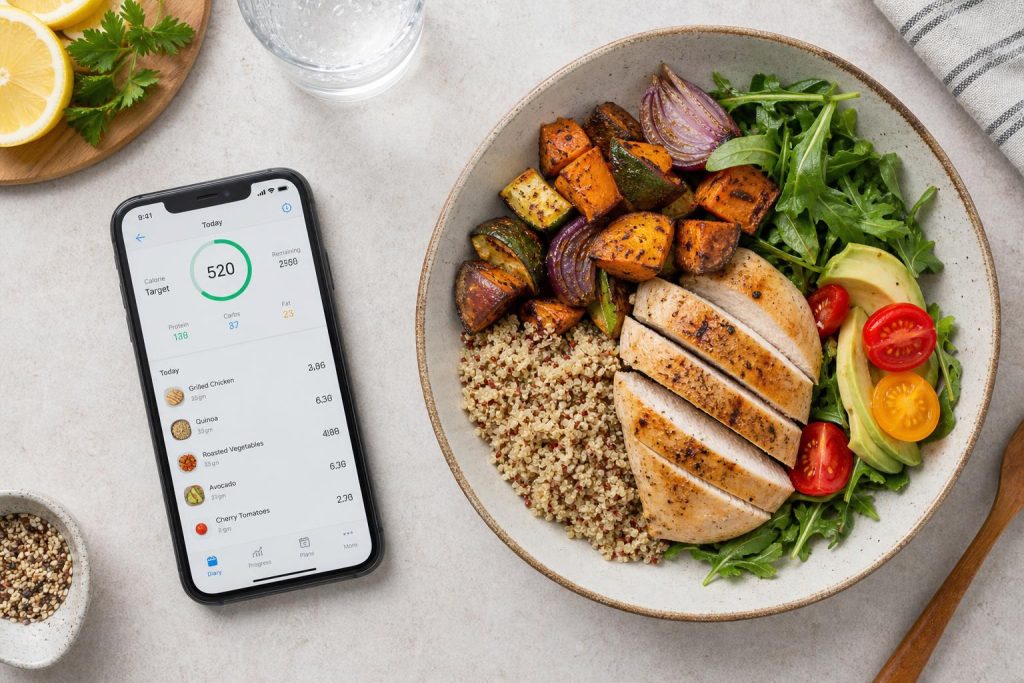
Another staple worth building into rotation is the high-protein grain bowl. Start with a base of cooked farro or quinoa — both of which offer more protein than white rice and a better glycemic profile — then layer grilled chicken thighs, roasted chickpeas, cucumber, red onion, and a dressing made from Greek yogurt, lemon juice, garlic, and dill. This format is endlessly adaptable and nutritionally dense. The chickpeas bring fiber and additional plant protein. The yogurt-based dressing adds another 8 to 10 grams of protein without the caloric weight of an oil-based sauce. Research from the American Journal of Clinical Nutrition confirms that combining animal and plant proteins within meals improves overall amino acid availability, which matters whether you’re trying to build muscle or simply preserve it while losing fat.
Snacking is a nuanced topic for GLP-1 users because appetite suppression can make snacks feel unnecessary — and sometimes they are. But for men who train hard, strategic snacking supports muscle protein synthesis between meals. The most effective options are simple and high-protein: a container of cottage cheese with sliced peaches, hard-boiled eggs with hot sauce, or a small handful of edamame with sea salt. These options clock in at 15 to 25 grams of protein in 150 to 250 calories, keep blood sugar steady, and don’t require any cooking. For the guy who hits the gym at 6am and doesn’t eat until noon, a protein-forward morning snack isn’t optional — it’s maintenance.
Hydration also warrants mention in any meal planning conversation for this population. GLP-1 medications reduce thirst signals in some users, and dehydration is independently associated with reduced metabolic rate and impaired exercise performance. Aiming for a minimum of 80 ounces of water daily — more on training days — supports digestion, nutrient absorption, and helps distinguish genuine hunger from thirst-driven appetite signals.
What This Means For You
A GLP-1 meal plan isn’t a special diet category — it’s a precision application of the same evidence-based principles that govern fat loss and muscle preservation for any man serious about his health. Lead with protein, build around fiber, include anti-inflammatory fats, and stay flexible with portions. If you’re on semaglutide or tirzepatide, structure is what keeps your reduced appetite from becoming a liability. If you’re pursuing fat loss through diet and training alone, these same recipes and frameworks are your competitive advantage. The food itself doesn’t know which camp you’re in — it just does the work either way.