A 2023 analysis published in Obesity Reviews found that dietary fat quality — not just quantity — significantly influenced appetite regulation, adipose tissue metabolism, and lean mass preservation in individuals undergoing caloric restriction. That finding matters whether you’re on a GLP-1 medication like semaglutide, running a traditional deficit, or somewhere in between. Fat isn’t the enemy. But the wrong fat intake at the wrong ratio can quietly undermine everything you’re working toward.
For men focused on fat loss and metabolic health, dietary fat is one of the most mismanaged macronutrients. Too low and testosterone drops, fat-soluble vitamin absorption tanks, and hunger becomes unmanageable. Too high — especially when protein gets crowded out — and you sacrifice the muscle-preserving effect that makes any fat loss phase worth doing in the first place. Getting the ratio right is less about following a dogma and more about understanding what the physiology actually demands.
What the Research Says About Fat Ratios During a Deficit
The bulk of the evidence on fat intake during weight loss points to a functional floor: somewhere between 0.5 and 1 gram of fat per kilogram of bodyweight per day is the minimum needed to maintain hormonal health. Research published in the Journal of Steroid Biochemistry and Molecular Biology confirmed that men on very low-fat diets (under 15% of calories) showed measurable reductions in total and free testosterone — a serious concern for anyone trying to preserve or build muscle while losing fat.
In practical terms, for a man eating 2,000 calories a day in a moderate deficit, that means fat should account for roughly 25–35% of total calories — approximately 55 to 78 grams per day. This range is supported by most metabolic research and sits comfortably within standard clinical guidelines without crossing into ketogenic territory unless that’s a deliberate choice. If you’re following a keto protocol, fat intake climbs to 60–70% of calories, which requires a different strategic approach to protein and micronutrient timing entirely.
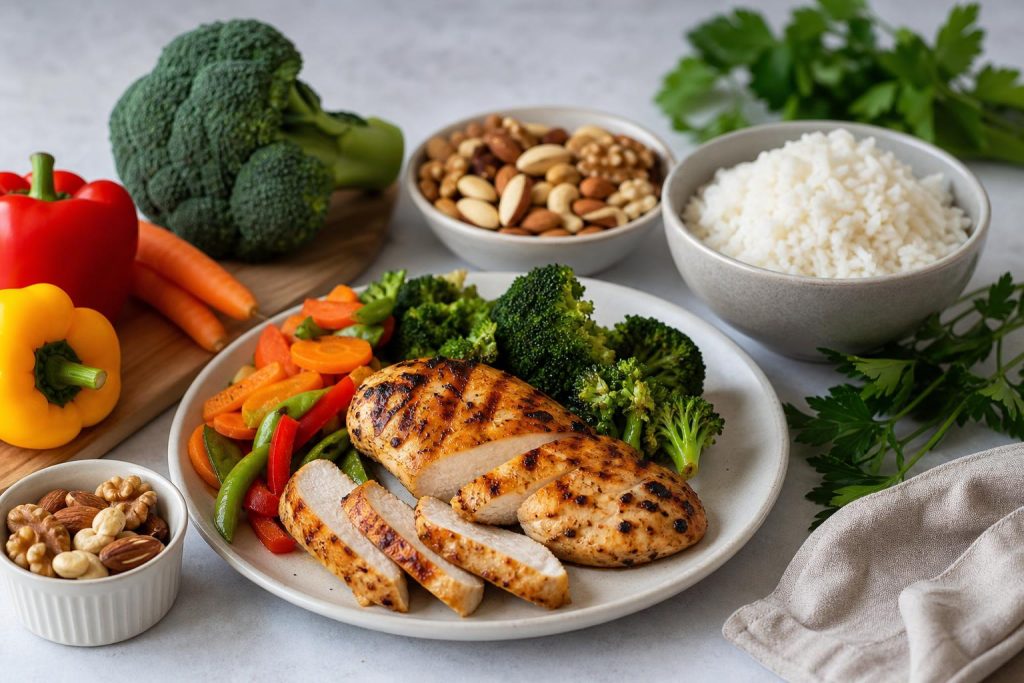
Where fat intake becomes especially critical for GLP-1 users is in managing the side effect profile of the medications themselves. Semaglutide and tirzepatide slow gastric emptying significantly, and clinical data shows that high-fat meals — particularly those rich in saturated fat — can worsen nausea, bloating, and GI discomfort in this population. This doesn’t mean fat should be eliminated. It means the type and timing of fat consumption requires more attention. Prioritizing monounsaturated fats from sources like olive oil, avocado, and almonds tends to be better tolerated and carries independent cardiovascular and anti-inflammatory benefits that support long-term metabolic health.
Protein First, Then Fat — The Sequencing That Changes Everything
The most important shift for any man in a fat loss phase — GLP-1 or not — is anchoring the diet around protein first, then building fat and carbohydrates around the remaining calorie budget. A landmark study in the American Journal of Clinical Nutrition demonstrated that higher protein intakes (1.6 to 2.4g per kg of bodyweight) during hypocaloric periods dramatically preserved lean mass compared to standard intakes, regardless of fat-to-carbohydrate ratios. Once protein is locked in — typically 150 to 200 grams daily for an active man — fat and carbohydrate intake fill in based on individual preference, training demands, and tolerance.
For men using GLP-1 medications who experience significantly reduced appetite, this sequencing becomes even more urgent. When total food volume drops sharply, fat is often the first macro to get crowded out — but so is protein. Prioritizing protein-rich whole foods at every eating occasion, then incorporating fat from quality sources like eggs, fatty fish, and nuts, ensures the remaining calories are doing metabolic work rather than simply filling a calorie quota with empty energy.
Omega-3 fatty acids deserve specific attention here. Evidence from Nutrients suggests EPA and DHA directly influence insulin sensitivity and inflammatory signaling — two mechanisms central to metabolic health and fat loss efficiency. Targeting 2–3 grams of combined EPA and DHA daily, either from fatty fish or a high-quality fish oil supplement, sits within the evidence-supported range and works synergistically with any fat loss approach.
The Takeaway
Optimal fat intake for fat loss isn’t about hitting an exact percentage — it’s about staying above the hormonal floor, keeping fat quality high, and making sure protein remains the anchor of every meal. For most men, 25–35% of calories from fat, dominated by unsaturated sources, is where the evidence lands. If you’re using a GLP-1 medication, keep individual fat servings moderate to manage GI tolerance, lean into omega-3-rich foods, and let protein pull most of the muscle-preservation weight. The macro math is secondary to the food choices that make those numbers real.