When researchers published the SURMOUNT-1 trial in the New England Journal of Medicine, the numbers turned heads. Participants using tirzepatide lost an average of up to 22.5% of their body weight over 72 weeks — results that rival bariatric surgery. But buried inside those impressive statistics is a detail that often gets overlooked: participants also followed a reduced-calorie diet and increased physical activity. The medication didn’t work in isolation. What you eat while on tirzepatide matters enormously — both for maximizing fat loss and for protecting the muscle mass that determines how you look, move, and perform long after the weight comes off.
Tirzepatide works as a dual GIP and GLP-1 receptor agonist, slowing gastric emptying, reducing appetite, and improving insulin sensitivity. What this means practically is that most men on tirzepatide experience a significant drop in hunger and food intake. That’s the mechanism doing its job. The challenge is making sure that when you do eat — and you’ll be eating less — every calorie is working hard for your body. Protein preservation becomes the central priority, because rapid weight loss without adequate protein intake is strongly associated with lean mass loss, which slows metabolism and compromises physical function over time.
Build Every Meal Around Protein First
The most important structural shift in a tirzepatide meal plan is treating protein not as a side consideration but as the architectural foundation of everything you eat. When appetite is suppressed and total food volume drops, you simply cannot afford to fill your limited stomach space with foods that don’t serve your physiology. Research published in Obesity Reviews confirms that higher protein intakes during caloric restriction help preserve lean body mass, which is exactly what you need when the medication is accelerating fat loss.
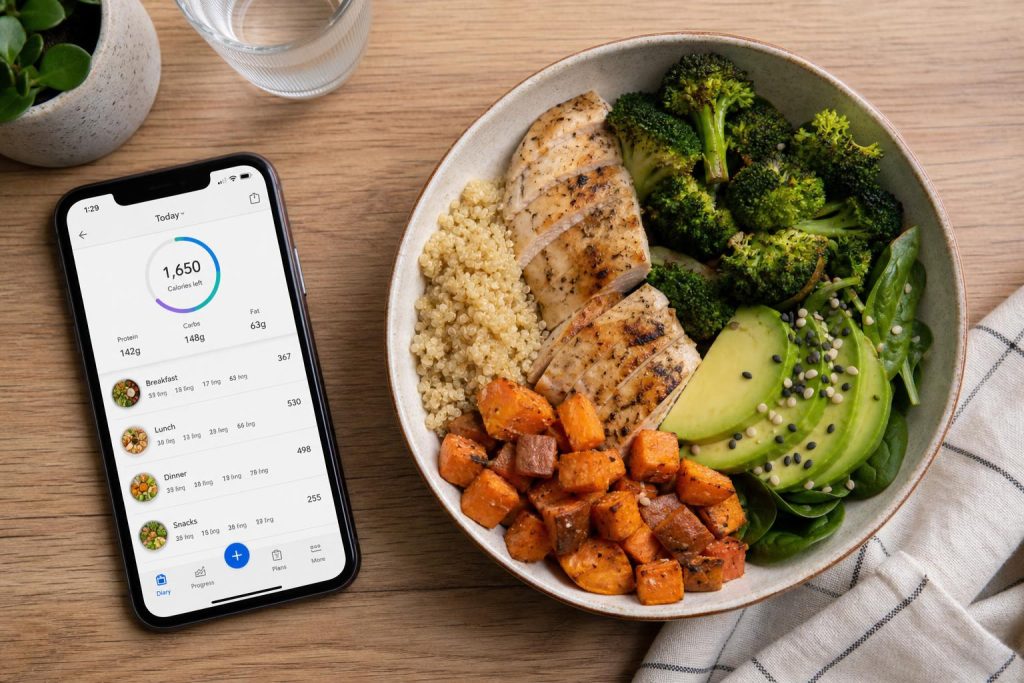
A practical target for men on tirzepatide is 1.2 to 1.6 grams of protein per kilogram of body weight daily — potentially higher if you’re resistance training. For a 200-pound man, that’s roughly 110 to 145 grams of protein per day. Because tirzepatide reduces appetite so effectively, hitting those numbers requires intentional meal construction. Think grilled salmon over a bed of arugula and quinoa, Greek yogurt with a scoop of protein powder and berries in the morning, or a lean ground turkey stir-fry with broccoli and edamame at dinner. These aren’t complicated meals — they’re strategic ones.
Eggs deserve special mention here. They’re nutrient-dense, easy to prepare in small portions, and high in leucine, the amino acid that most powerfully triggers muscle protein synthesis. A three-egg scramble with spinach and feta is a complete, compact meal perfectly suited to the smaller appetite windows tirzepatide creates. Cottage cheese, canned tuna, chicken breast, and whey protein are similarly high-value options that deliver maximum protein per calorie and per unit of stomach volume.
Smart Carbohydrates, Healthy Fats, and What to Avoid
Carbohydrates don’t need to be eliminated on a tirzepatide meal plan, but they do need to be chosen carefully. Because the medication already improves insulin sensitivity and glucose regulation, pairing it with blood-sugar-spiking processed carbohydrates is a missed opportunity. Instead, prioritize fibrous, slow-digesting carbohydrate sources — sweet potatoes, oats, lentils, black beans, and non-starchy vegetables like zucchini, cauliflower, and leafy greens. These foods provide steady energy, feed gut microbiota, and add bulk and micronutrients without overwhelming a reduced appetite. Dietary fiber intake is consistently associated with better weight management outcomes and improved metabolic markers, making it a natural complement to what tirzepatide is already doing pharmacologically.
Healthy fats — from sources like avocado, olive oil, fatty fish, and a small handful of nuts — help with satiety, hormone production, and fat-soluble vitamin absorption. However, because fat is calorically dense at 9 calories per gram, portions need to stay measured when overall food intake is already lower. A drizzle of extra virgin olive oil over roasted vegetables or half an avocado with eggs is a meaningful nutritional contribution. A handful of macadamia nuts on top of an already protein-light meal is a different story.
What’s worth avoiding, or at least significantly limiting, is alcohol. Beyond its empty caloric load, alcohol disrupts sleep quality and impairs muscle protein synthesis — two things that compound the metabolic challenges of being in an aggressive caloric deficit. Highly processed foods, fast food, and sugar-sweetened beverages create blood sugar volatility and displace the protein and micronutrient-dense foods your body actually needs during this phase.
Hydration is also non-negotiable. Nausea is one of the most commonly reported side effects of tirzepatide, particularly early in treatment, and dehydration worsens it significantly. Aim for consistent water intake throughout the day rather than large amounts at meals, which can compound feelings of fullness and reduce food intake even further. Electrolyte balance matters too — a pinch of salt in water, or mineral-rich foods like leafy greens and avocado, can help prevent the fatigue and cramping that sometimes accompany rapid fat loss.
Meal timing doesn’t require perfection, but eating two to three structured meals rather than grazing throughout the day tends to work better when appetite is already blunted. Skipping meals altogether is tempting when you’re not hungry, but doing so consistently risks falling short of daily protein targets and micronutrient needs — a slow-burning problem that doesn’t show up immediately but catches up over months.
The Takeaway
Tirzepatide is a powerful metabolic tool, but it amplifies the quality of your nutrition choices rather than replacing them. The men who get the best long-term results — leaner physiques, preserved muscle, sustained metabolic health — are the ones who treat the medication’s appetite suppression as an opportunity to eat with greater precision, not an excuse to eat less of everything indiscriminately. Build your meals around protein, choose whole food carbohydrates and healthy fats, stay hydrated, and prioritize consistency over perfection. The medication opens a window. What you do inside it is still up to you.