Protein Macros for GLP-1 Users: Complete Guide to Muscle Retention During Weight Loss
The GLP-1 Muscle Loss Problem: Why Protein Strategy Matters
GLP-1 receptor agonists like semaglutide and tirzepatide are remarkably effective for weight loss—but they come with a critical catch: research shows approximately 25-30% of weight loss on GLP-1s is lean muscle mass, not pure fat. This metabolic reality transforms protein from “nice to have” into a non-negotiable pillar of your GLP-1 strategy.
The problem: GLP-1 medications suppress appetite by 40-60%, making it mechanically difficult to consume adequate protein. Add a caloric deficit for fat loss, and your muscle tissue becomes a target for catabolism—your body’s preferred energy source during severe underfeeding.
The solution is straightforward: aggressive protein intake combined with resistance training. A meta-analysis of 49 studies found that high protein intake (1.6-2.2g/kg bodyweight) reduces lean mass loss by up to 50% in caloric deficits. For GLP-1 users, this isn’t optional—it’s the difference between body recomposition and muscle wasting.
Optimal Protein Targets & Timing for GLP-1 Users
Protein Dosing Protocol
Target intake: 1.8-2.2g protein per kg of bodyweight daily.
For a 200-lb (91kg) GLP-1 user in a deficit, this equals 164-200g protein per day. This is higher than standard RDA (0.8g/kg) because you’re simultaneously managing appetite suppression and muscle preservation in a caloric deficit.
Research demonstrates that protein intake above 1.6g/kg preserves muscle mass better than lower amounts, even at the same caloric deficit—the dose-response relationship plateaus around 2.2g/kg, making higher intakes unnecessary.
Meal Timing & Frequency
GLP-1-induced appetite suppression makes traditional “3-4 meals daily” unrealistic. Instead, adopt a concentrated protein strategy:
- Breakfast: 40-50g protein (e.g., Greek yogurt + granola, eggs with toast)
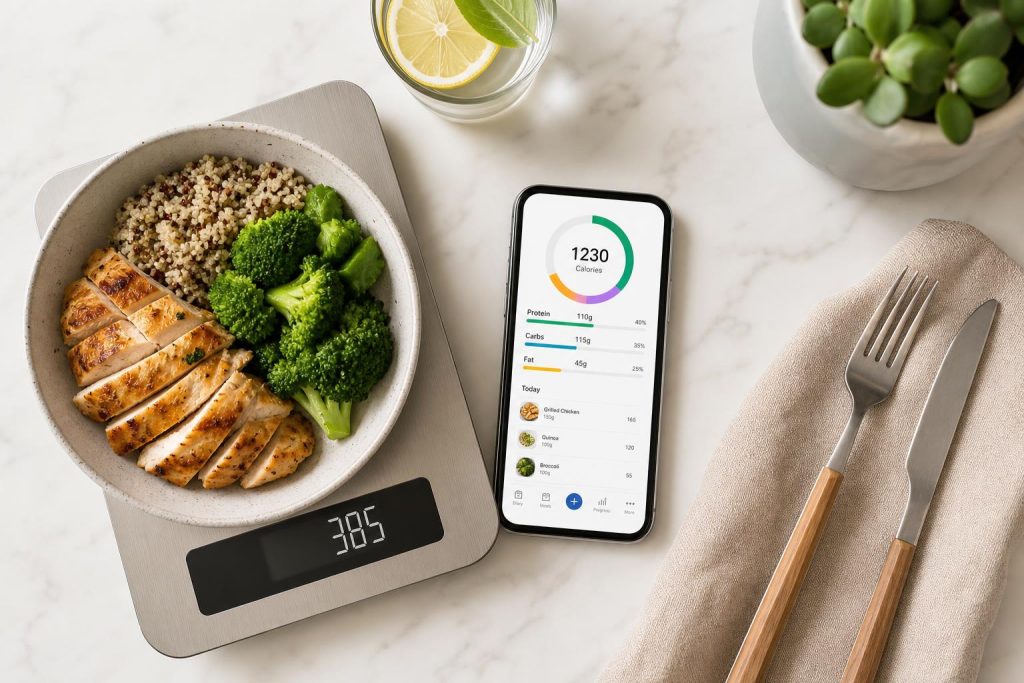
- Lunch: 50-60g protein (e.g., grilled chicken + quinoa + vegetables)
- Dinner/Evening: 50-70g protein (e.g., salmon + sweet potato)
- Supplemental: Protein shake (20-30g) only if you miss meals
This 3-meal approach works because muscle protein synthesis is maximized by consuming 0.4-0.5g protein per kg bodyweight per meal (roughly 35-50g for most people), with timing less critical than total daily intake.
Navigating Low Appetite: Practical Protein Strategies
High-Density Protein Foods
When appetite is suppressed, food volume matters more than variety. Prioritize protein-dense, minimally processed foods:
- Fish & shellfish: 20-25g protein per 100g; minimal bulk
- Greek yogurt: 10g protein per 100g; easy to consume
- Cottage cheese: 11g protein per 100g; satiating without volume
- Lean beef/poultry: 25-28g protein per 100g; complete amino acid profile
- Collagen peptides: 10g protein per tablespoon; mixes into beverages without fullness
Collagen peptides deserve special mention: unlike whey isolate, hydrolyzed collagen has minimal appetite stimulation (unlike bulky whole foods) while providing 15-20g protein per serving, making it ideal for GLP-1 users managing satiety.
Supplement Strategy for GLP-1 Users
Recommended: Whey isolate or collagen peptides protein powders (30-40g servings, 2-3x weekly as gap-fillers, not meal replacements). These provide concentrated amino acids when real food feels impossible.
Avoid: Casein or micellar casein—these digest slowly and increase gastric fullness, compounding GLP-1 satiety effects.
Training to Preserve Muscle While on GLP-1
Protein alone won’t preserve muscle; you need the stimulus. Resistance training 3-4x weekly at 65-85% of 1RM generates the mechanical tension required for muscle protein synthesis, independent of surplus or deficit.
Evidence-based protocol for GLP-1 users in a deficit:
- Frequency: 4 sessions per week (upper/lower or push/pull/legs)
- Volume: 10-15 sets per muscle group weekly
- Intensity: 6-12 rep range; prioritize compound lifts (squats, deadlifts, bench press, rows)
- Nutrition timing: Consume 25-40g protein + carbs within 2 hours post-workout
Bottom Line: Your GLP-1 Protein Strategy
For optimal body recomposition on GLP-1 medications:
- Target 1.8-2.2g protein per kg bodyweight daily (non-negotiable for muscle preservation)
- Distribute across 3 substantial meals + supplemental protein if appetite remains suppressed
- Prioritize high-density, minimally filling protein sources (fish, poultry, Greek yogurt, collagen)
- Pair with 4 weekly resistance training sessions to generate the stimulus for muscle retention
- Track protein intake for 2-4 weeks to calibrate your real consumption versus target
This approach transforms GLP-1 medications from a tool for pure weight loss into a platform for sustainable body recomposition—losing fat while preserving the metabolic machinery (muscle) that keeps weight off long-term.
Want to optimize your entire GLP-1 protocol? Read our comprehensive guides on GLP-1 dosing strategies and metabolic health nutrition for semaglutide and tirzepatide users.