GLP-1 Muscle Loss Prevention Training Protocol: Evidence-Based Strategies for Body Recomposition
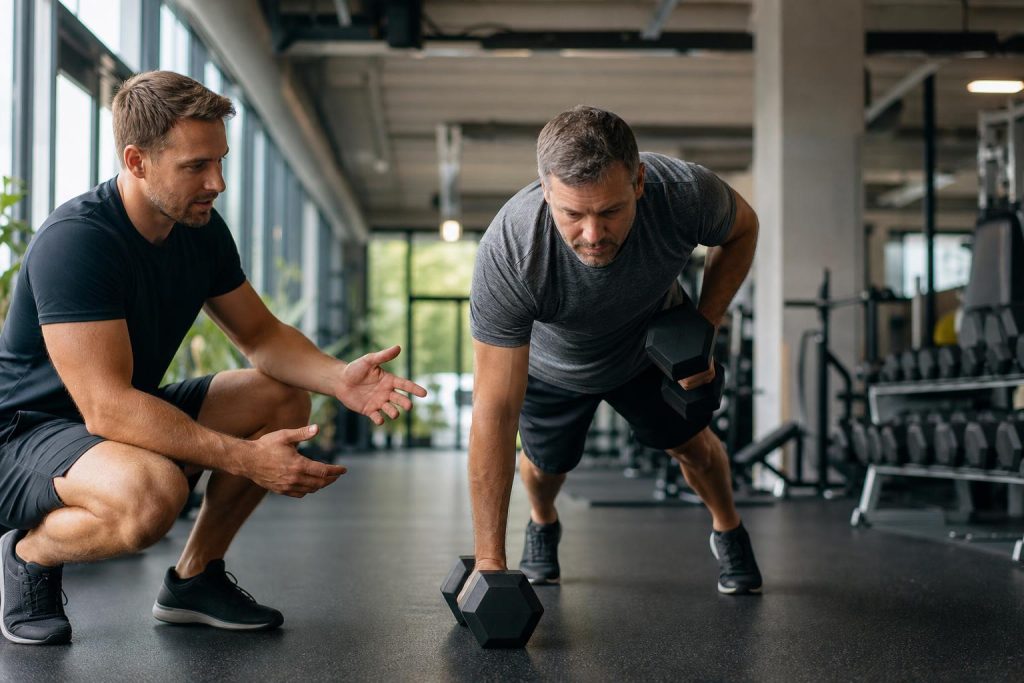
GLP-1 Muscle Loss Prevention Training Protocol: Evidence-Based Strategies for Body Recomposition
GLP-1 medications like semaglutide and tirzepatide have revolutionized weight loss, but they come with a critical challenge: research shows that rapid weight loss on GLP-1 therapy can result in significant lean muscle loss alongside fat loss. A 2024 randomized controlled trial examining semaglutide in older adults with insulin resistance found that without targeted intervention, users experienced unfavorable shifts in body composition—precisely why a structured training protocol matters.
The good news? Strategic resistance training, adequate protein intake, and intelligent exercise programming can preserve or even build muscle while you’re losing fat on GLP-1 therapy. This comprehensive guide breaks down the science-backed protocol to maximize your body recomposition results.
Why GLP-1 Users Lose Muscle (And How to Stop It)
GLP-1 medications suppress appetite and reduce caloric intake—essential for weight loss, but problematic for muscle preservation. The mechanism is straightforward: when you’re in a caloric deficit without adequate stimulus and protein, your body catabolizes muscle tissue for energy.
Clinical research on semaglutide in older adults demonstrates that physical function and body composition changes depend heavily on exercise prescription during treatment. The study protocol specifically emphasizes that passive weight loss—without resistance training—leads to age-related biomarker decline and accelerated loss of skeletal muscle.
The metabolic reality: insulin resistance and visceral fat accumulation drive many of the metabolic complications in weight management, and addressing body composition—not just scale weight—is critical for reversing metabolic dysfunction.
The solution: Combine GLP-1 therapy with a resistance-based training protocol specifically designed to preserve muscle during caloric restriction. This is body recomposition in action: losing fat while maintaining or gaining lean mass.
The Evidence-Based Training Protocol for GLP-1 Users
Here’s a structured resistance training framework designed to prevent muscle loss while optimizing fat loss on GLP-1 medications:
Training Frequency & Structure
- 3-4 resistance training sessions per week targeting major muscle groups (chest, back, legs, shoulders)
- 2-3 sessions of 45-60 minutes duration to balance stimulus with energy availability
- Compound movement emphasis: squats, deadlifts, bench press, rows, overhead press
- 1-2 low-intensity steady-state cardio sessions (20-30 min) to preserve aerobic capacity without excessive muscle catabolism
Rep Ranges & Load
- Primary lifts: 6-10 reps at 75-85% of 1RM (heavy resistance for neurological preservation)
- Secondary exercises: 8-12 reps at 65-75% of 1RM
- Accessory work: 10-15 reps for muscle endurance
- Progressive overload: Prioritize maintaining or increasing load week-to-week, even in a caloric deficit. This signals your body to preserve muscle tissue.
Sample Weekly Split
- Monday: Lower body power (squats, deadlifts, leg press)
- Tuesday: Upper body push (bench press, overhead press, triceps)
- Wednesday: LISS cardio or active recovery
- Thursday: Upper body pull (rows, pull-ups, lat pulldowns)
- Friday: Lower body hypertrophy (leg press, lunges, leg curls)
- Saturday/Sunday: Optional light activity or complete rest
Nutrition Strategy for Muscle Preservation on GLP-1 Therapy
The biggest mistake GLP-1 users make? Not eating enough protein despite suppressed appetite. Research protocols on semaglutide intervention specifically incorporate structured nutritional guidelines because diet quality directly influences whether body composition changes improve physical function or degrade it.
Protein Target
- 1.0-1.2 grams of protein per pound of body weight daily when in a caloric deficit
- For a 200-pound person: 200-240 grams protein daily
- Distribute across 4-5 meals to optimize muscle protein synthesis (20-40g per meal)
Practical Protein Solutions for Low Appetite
- High-protein foods with small volume: Greek yogurt, cottage cheese, lean meats, fish
- Protein supplements: Whey isolate shakes (40g protein, minimal volume), collagen peptides (mix into coffee or broth)
- Timing strategy: Consume most protein earlier in the day when appetite is highest; smaller protein sources with dinner
- Hydrolyzed collagen: 15-20g daily supports connective tissue resilience during intensive training
Caloric Deficit Parameters
- Target: 300-500 calorie deficit below maintenance (not aggressive; GLP-1 handles appetite suppression)
- Monitor body composition, not just scale weight: Fat loss with muscle preservation is the goal, not maximum speed
- Refeeds: One day per week at maintenance calories to preserve metabolic hormone signaling
Training Adjustments for Energy & Recovery on GLP-1
GLP-1 users often report lower energy availability and appetite suppression that can interfere with recovery. Here’s how to navigate it:
Energy Management
- Pre-workout nutrition: 20-30g fast carbs + 10-15g protein 60-90 min before training (banana + protein shake, white rice + chicken)
- Intra-workout hydration: Electrolyte drink for sessions >60 min to maintain performance
- Post-workout window: Prioritize 30-40g protein + 40-50g carbs within 2 hours post-training for muscle protein synthesis
Recovery Optimization
- Sleep: 7-9 hours nightly (non-negotiable for GLP-1 users; appetite regulation is sleep-dependent)
- Stress management: GLP-1 can suppress cortisol; ensure adequate rest days to prevent overtraining
- Deload weeks: Every 4-6 weeks, reduce volume by 40-50% to allow CNS recovery
- Creatine monohydrate: 5g daily increases muscle ATP availability and supports strength maintenance in a deficit (3-5g daily)
Performance Monitoring
- Track strength metrics: Log all lifts weekly; maintain or increase loads as primary success marker
- Body composition assessment: DEXA scan or bioimpedance every 6-8 weeks (scales alone mislead)
- Biometric monitoring: Waist circumference, energy levels, workout performance should all improve
Bottom Line: Maximizing Body Recomposition on GLP-1 Therapy
GLP-1 medications are powerful tools for weight loss, but passive weight loss leads to muscle loss and metabolic compromise. The evidence is clear: structured resistance training and nutritional intervention during GLP-1 therapy directly improve body composition outcomes and preserve physical function.
Your action plan:
- Implement 3-4 weekly resistance training sessions with progressive overload (heavy compound movements)
- Target 1.0-1.2g protein per pound bodyweight despite reduced appetite
- Maintain a moderate 300-500 calorie deficit (let GLP-1 handle appetite suppression)
- Prioritize sleep, recovery, and performance metrics over scale weight
- Reassess body composition every 6-8 weeks using reliable methods (DEXA, biometrics)
The result: Sustainable fat loss, preserved muscle mass, improved metabolic markers, and better long-term outcomes than weight loss alone. That’s true body recomposition.
Ready to optimize your GLP-1 results?
Explore our complete guide to GLP-1 nutrition strategies for muscle preservation and discover peptide stacks that complement your training protocol.
Scientific References
-
Cortes, Vasquez, Serra et al. (2024).
Effect of Semaglutide on Physical Function, Body Composition, and Biomarkers of Aging in Older Adults With Overweight and Insulin Resistance: Protocol for an Open-Labeled Randomized Controlled Trial..
JMIR research protocols.
View on PubMed → -
McCarty et al. (2002).
Incorporation of beta cell redifferentiation therapy into a lipoprivic strategy for reversing type 2 diabetes..
Medical hypotheses.
View on PubMed →