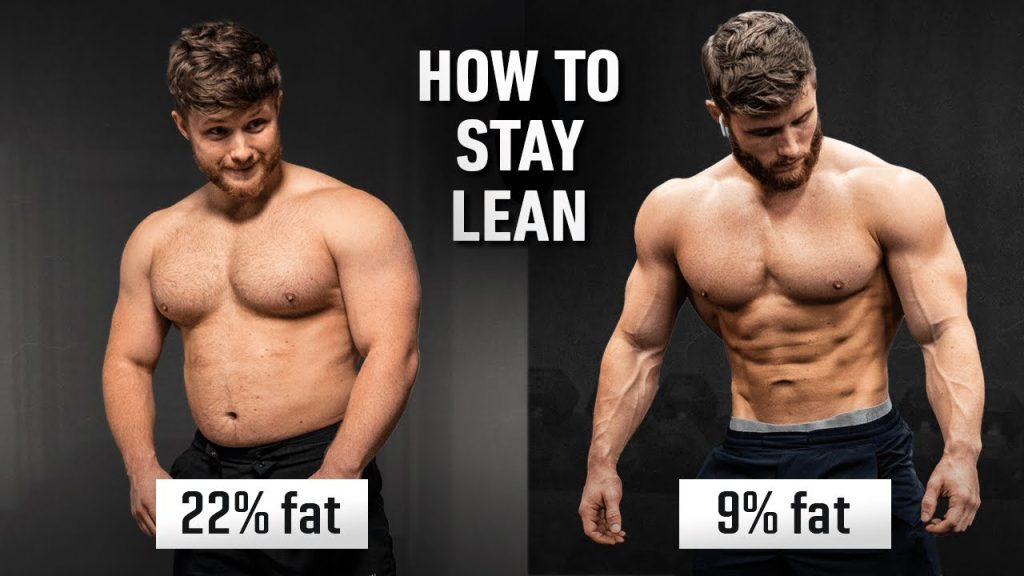
Video by Jeff Nippard on YouTube
When the World Health Organization formally endorsed GLP-1 therapies for obesity treatment in 2026, it wasn’t a quiet administrative update — it was a signal that these medications have earned their place in the clinical mainstream. The WHO guideline, published in JAMA, made one thing unmistakably clear: GLP-1 medications are most effective when combined with intensive behavioral therapy, not used as a standalone solution. That distinction matters more than most people realize, and it’s where the difference between modest results and transformative ones is made.
Semaglutide and tirzepatide have redefined what’s pharmacologically possible in weight loss. Clinical trials have documented reductions of 15 to 22 percent of body weight — numbers that were once reserved for bariatric surgery. But the men who get the most out of these medications aren’t simply taking their weekly injection and waiting. They’re deliberately building the behavioral and nutritional scaffolding that amplifies every milligram of drug they put into their body. Here’s how to do exactly that.
The Muscle Problem Nobody Warns You About
There’s a critical issue sitting beneath the surface of the GLP-1 success story, and it deserves to be front and center in any serious conversation about these medications. A 2025 review in Obesity Reviews found that clinical trial participants using incretin-mimetic drugs like semaglutide and tirzepatide lost 10 percent or more of their muscle mass during 68- to 72-week treatment periods — roughly equivalent to 20 years of age-related muscle loss compressed into one and a half years. That’s not a minor footnote. That’s a metabolic consequence that can undermine everything you’re working toward.
A 2026 narrative review in Acta Diabetologica reinforced this concern, noting that weight reduction on GLP-1 receptor agonists is consistently accompanied by decreases in lean body mass — and that individuals with metabolic disease are already predisposed to muscle wasting due to chronic inflammation, mitochondrial dysfunction, and altered protein metabolism. Losing muscle isn’t just a cosmetic issue. It worsens insulin resistance, slows your resting metabolism, and sets the stage for weight regain once the medication is stopped or reduced. The goal on GLP-1 therapy isn’t just to lose weight — it’s to lose fat while aggressively protecting muscle. Those are two very different objectives, and the strategy that achieves both requires deliberate effort.
Resistance training is the most powerful tool you have to combat this. Both the Obesity Reviews and Acta Diabetologica papers specifically highlight progressive resistance exercise as one of the two key factors — alongside protein intake — that preserves lean mass during caloric restriction. Three to four sessions per week of compound, load-bearing movements isn’t optional for men on GLP-1 therapy. It’s a clinical imperative. Squats, deadlifts, rows, presses — movements that challenge large muscle groups under meaningful load signal the body to hold onto its muscle even as total calorie intake drops significantly. You don’t need to train like a powerlifter, but you do need to train with genuine intensity and consistency.
On the nutrition side, protein becomes your most important macronutrient by a wide margin. GLP-1 medications suppress appetite powerfully, which is precisely their mechanism, but that suppression doesn’t discriminate — it reduces your desire to eat protein just as much as everything else. Men on these medications frequently under-eat protein without realizing it, because they feel full on a fraction of their normal intake. The research is clear that adequate high-quality protein is essential to preserving muscle during pharmacological weight loss. Targeting 0.7 to 1 gram of protein per pound of bodyweight daily — from sources like chicken, beef, eggs, Greek yogurt, and quality protein supplements when needed — gives your muscles the amino acids required for maintenance and repair, even in a deep caloric deficit.
Beyond the Injection: Building the Behavioral Framework That Makes It Work
The WHO guideline’s recommendation for GLP-1 therapy paired with intensive behavioral therapy wasn’t a bureaucratic suggestion — it was grounded in the recognition that medication changes your biology, but behavior determines your long-term trajectory. The men who sustain their results understand that the drug is buying them a window of reduced hunger and improved metabolic signaling, and that window needs to be filled with structural changes to how they eat, move, sleep, and manage stress.
Sleep is one of the most underappreciated variables in this equation. Poor sleep elevates ghrelin, impairs glucose metabolism, and increases cortisol — all of which can blunt the effectiveness of GLP-1 therapy and accelerate muscle catabolism. Seven to nine hours of quality sleep isn’t a luxury; it’s a physiological requirement that directly supports the medication’s mechanism. Similarly, chronic psychological stress elevates cortisol in ways that actively work against fat loss, promote visceral fat accumulation, and increase the drive to eat despite the appetite suppression the medication provides. Managing stress — whether through structured mindfulness, reduced workload, deliberate recovery time, or simply improving sleep — isn’t soft advice. It’s metabolic strategy.
Alcohol is another variable worth confronting honestly. GLP-1 medications appear to reduce alcohol cravings in some users, which is a welcome effect, but regular alcohol consumption disrupts sleep architecture, inhibits protein synthesis, and adds empty calories that compete with the deficit the medication helps create. For men focused on maximizing results, reducing alcohol intake during treatment is one of the highest-return behavioral changes available. It costs nothing and compounds the effects of everything else you’re doing.
Food quality matters more than most people expect when appetite is suppressed. When you’re eating significantly less volume, each meal carries greater nutritional weight. Prioritizing whole foods — lean proteins, vegetables, legumes, whole grains, healthy fats — ensures micronutrient needs are met even in a reduced-calorie state. The Obesity Reviews paper specifically notes that micronutrient adequacy may require supplementation in some cases, particularly as food volume drops. A high-quality multivitamin, omega-3 fatty acids, and vitamin D are reasonable baseline additions, especially if dietary variety is limited by nausea or appetite suppression in early treatment phases.
The cardiovascular and metabolic benefits of semaglutide specifically extend well beyond weight loss alone. A 2025 review in Future Cardiology documented that semaglutide reduces major adverse cardiovascular events, slows chronic kidney disease progression, and lowers heart failure hospitalization rates — benefits that are amplified in patients who also engage in regular physical activity and dietary improvement. The medication is doing meaningful systemic work. Your lifestyle choices determine how much of that work translates into durable, long-term health.
It’s also worth acknowledging the side effects that can derail progress if not managed proactively. Nausea, early satiety, and fatigue are common during dose escalation phases and can make consistent training and adequate protein intake genuinely difficult. Research published in Skin Appendage Disorders in 2025 noted that rapid weight loss from GLP-1 use is associated with telogen effluvium — temporary hair shedding — which underscores how physiologically significant the weight loss trajectory can be. Eating slowly, choosing easily digestible protein sources during high-nausea periods, and communicating openly with your prescribing physician about side effects allows dose titration to be managed in a way that keeps you moving forward rather than stalling out.
The Takeaway
GLP-1 medications are genuinely powerful tools — among the most effective pharmacological interventions for obesity ever developed. But the research is unambiguous that medication alone is not the ceiling of what’s possible. The men who maximize their results on these drugs are the ones who treat the injection as the starting point, not the entire plan. Lift heavy. Hit your protein targets with intention. Sleep like it’s your job. Eat food that actually nourishes you. Manage stress and minimize alcohol. Do these things consistently, and the medication doesn’t just help you lose weight — it helps you build a fundamentally different metabolic baseline. That’s the version of this that lasts.
Scientific References
-
Celletti, Farrar, De Regil et al. (2026).
World Health Organization Guideline on the Use and Indications of Glucagon-Like Peptide-1 Therapies for the Treatment of Obesity in Adults..
JAMA.
View on PubMed → -
Mechanick, Butsch, Christensen et al. (2025).
Strategies for minimizing muscle loss during use of incretin-mimetic drugs for treatment of obesity..
Obesity reviews : an official journal of the International Association for the Study of Obesity.
View on PubMed → -
Rossi, Bucciarelli, Mananguite et al. (2026).
Muscle loss and GLP-1R agonists use..
Acta diabetologica.
View on PubMed → -
MacIsaac et al. (2025).
Semaglutide: a key medication for managing cardiovascular-kidney-metabolic syndrome..
Future cardiology.
View on PubMed → -
Burke, Sa, Cespedes et al. (2025).
Dermatologic Implications of Glucagon-Like Peptide-1 Receptor Agonist Medications..
Skin appendage disorders.
View on PubMed →