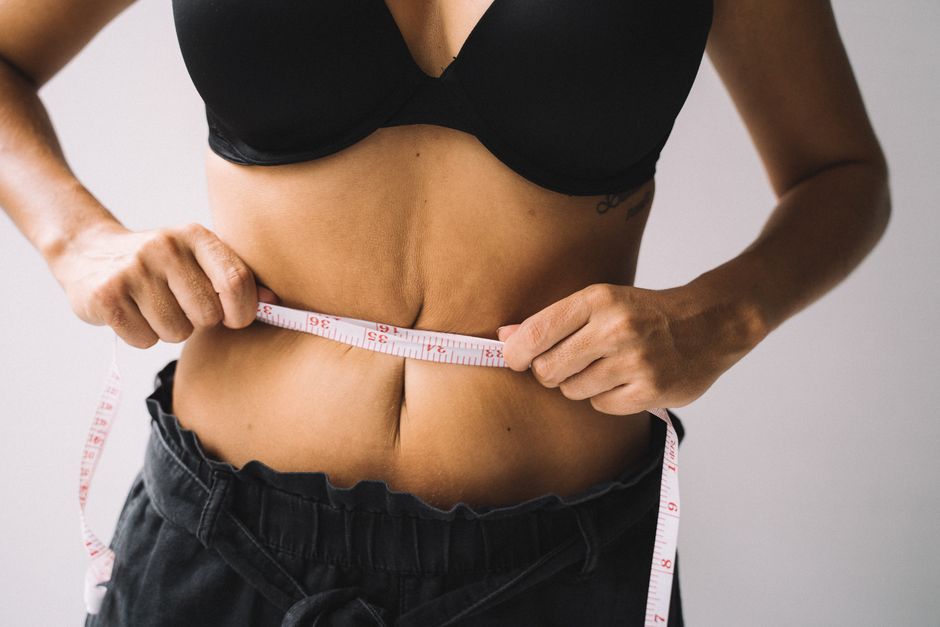
If you’ve started semaglutide — or you’re thinking about it — the first question on your mind is probably a simple one: how fast does this actually work? The answer is more nuanced than most Instagram posts or pharmacy brochures will tell you, and the science behind the timeline is genuinely worth understanding before you set your expectations.
Here’s what the data shows. A 2025 systematic review and meta-analysis published in Aesthetic Plastic Surgery — which analyzed 12 randomized controlled trials and prospective studies covering nearly 14,000 patients — found that weight loss plateaus at approximately 53 weeks (just over a year) on semaglutide, with an average total body weight reduction of around 16%. That’s a meaningful result, but it unfolds gradually, and the arc of that curve matters as much as the final number.
What the First Few Months Look Like
Semaglutide is a GLP-1 receptor agonist, meaning it mimics a gut hormone that signals satiety to the brain, slows gastric emptying, and reduces appetite in ways that feel almost effortless for many users. But the drug doesn’t hit you all at once. Clinical dosing protocols begin low — typically 0.25 mg weekly — and step up gradually over several months to reduce nausea and GI side effects. That titration phase means the first four to six weeks produce modest results, often in the range of one to two percent total body weight.
By months two through four, as doses increase toward the therapeutic range of 1.0 to 2.4 mg weekly (depending on the formulation), most men begin seeing more significant changes. Fat loss accelerates, appetite suppression becomes more pronounced, and the number on the scale starts moving in a consistent direction. Clinical trial data from the STEP program — the landmark series of semaglutide trials — showed participants losing roughly five to nine percent of body weight within the first 12 to 16 weeks at therapeutic doses.
Months five through nine tend to be where the most dramatic changes occur for the majority of users. Energy intake drops substantially, and the body responds accordingly. For men who are also training and eating adequate protein — which they absolutely should be — this is the window where the physique transformation becomes visually notable. The systematic review data shows the steepest portion of the weight loss curve occurring during this period, before the rate of loss begins to decelerate heading into the plateau phase.
The Plateau — and Why It Happens
The weight loss plateau at roughly 12 months isn’t a failure — it’s physiology. The same metabolic adaptation that occurs during any caloric deficit eventually asserts itself here too. Resting metabolic rate decreases, hunger hormones partially compensate, and the body reaches a new equilibrium. The meta-analysis defined plateau as at least one month where weight loss fell below three percent, and found this occurred at just over a year — deviating from peak on-treatment weight loss by only about two percent. In practical terms, this means you’re close to your maximum benefit from the drug by the 12-month mark.
This is precisely why the research team behind the 2025 review was evaluating semaglutide timelines in the context of body contouring surgery — surgeons need to know when weight has genuinely stabilized before operating. Their conclusion: weight stabilizes after 8 to 12 months of semaglutide use. For anyone tracking progress, this benchmark is equally useful. If you’re approaching month 12 and your weight hasn’t moved in six to eight weeks, that’s likely your plateau — and it’s time to shift strategy toward maintenance and body composition rather than raw scale weight.
What happens when you stop? This is arguably the most important part of the timeline conversation, and it’s one the pharmaceutical marketing doesn’t emphasize. The same systematic review found that weight recurrence after drug discontinuation was substantial — participants regained 62.7% to 74.3% of their greatest on-treatment weight loss, occurring as early as 12 to 24 weeks after stopping. That’s not a minor bounce-back. It’s a near-reversal in a matter of months for many people. This doesn’t mean semaglutide isn’t worth using — it means it works best as part of a broader metabolic strategy, not as a standalone intervention you cycle on and off casually.
Making the Timeline Work For You
Whether you’re using semaglutide or pursuing weight loss through traditional diet and training, the shape of your progress curve matters. Front-loading good habits during the early months — when motivation is high and appetite suppression is working in your favor — pays compounding dividends. Resistance training is non-negotiable here. Fat loss in the absence of strength training disproportionately includes lean muscle mass, and losing muscle slows metabolism, worsens body composition, and makes weight regain more likely. Aim for at least three lifting sessions per week and keep protein intake at 0.7 to 1 gram per pound of body weight.
The global explosion of interest in semaglutide — documented in a 2024 infodemiological study in BMC Global and Public Health that tracked worldwide search behavior from 2021 to 2023 — reflects just how many men (and women) are turning to this drug as a solution. Demand surged so rapidly it caused international supply shortages. But the research also showed that weight loss, not diabetes management, was the dominant search theme across virtually every country analyzed. That tells you something about how people are using this drug — often without full context about the timeline, the plateau, or what comes after.
Understanding the timeline doesn’t just set realistic expectations — it lets you be strategic. The first three months are about tolerating the dose increase and building habits. Months four through nine are where the heavy lifting happens, literally and figuratively. Month twelve is your benchmark for maximum pharmaceutical benefit. And from there, whether you stay on the medication or transition off, the work of sustaining results through nutrition, training, and lifestyle is what determines your long-term outcome. The drug gives you a window. What you do inside that window is what lasts.
The Takeaway
Ozempic and semaglutide work — the clinical data is clear on that. Roughly 16% total body weight reduction over about a year is a significant, reproducible result. But the timeline is gradual by design, the plateau is real and predictable, and the weight recurrence after stopping is significant enough to demand serious planning. Use the first year of treatment as a metabolic reset: build the training habit, dial in your nutrition, reduce the processed food load, and treat the medication as a tool that creates the conditions for lasting change — not as the change itself.
Scientific References
-
Garbaccio, Smith, Posso et al. (2025).
Plastic Surgery in the Ozempidemic: Considerations for the Timing of Body Contouring Surgery in Patients with Semaglutide-Associated Weight Loss..
Aesthetic plastic surgery.
View on PubMed → -
Raubenheimer, Myburgh, Bhagavathula et al. (2024).
Sweetening the deal: an infodemiological study of worldwide interest in semaglutide using Google Trends extended for health application programming interface..
BMC global and public health.
View on PubMed →